 CULTURETECHLENS
The Encyclopedia · CTL-ENC-000071
Edward Gardner
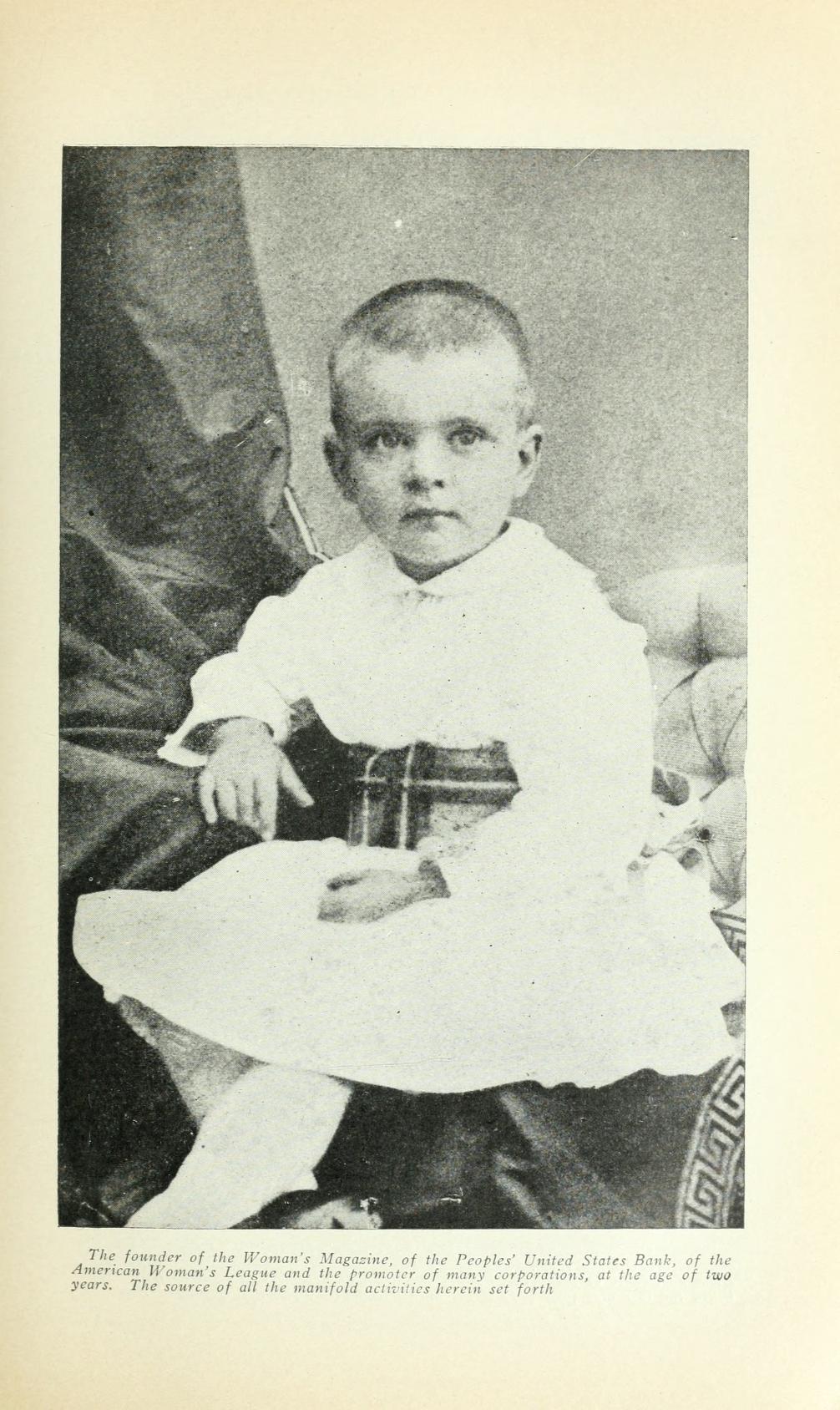
Edward George Gardner (February 15, 1925 – March 20, 2023) was the Chicago educator who, with his wife Bettiann, founded Soft Sheen Products in 1964 and built it into one of the largest Black-owned businesses
| At a glance | |
|---|---|
| Type | PERSON — businessperson |
| Dates | – |
| Chicago connection | CORE — see the Chicago connection section |
| Known for | Edward George Gardner (February 15, 1925 – March 20, 2023) was the Chicago educator who, with his wife Bettiann, founded Soft Sheen |
| Verification | PROVISIONAL |
| CTL ID | CTL-ENC-000071 |
Overview
Edward George Gardner (February 15, 1925 – March 20, 2023) was the Chicago educator who, with his wife Bettiann, founded Soft Sheen Products in 1964 and built it into one of the largest Black-owned businesses in America. (One web remembrance consulted for this record gives a 1954 founding, a chemistry degree and Tuskegee Airmen service; those claims conflict with the family's obituary record and the company's documented history and are not carried here.) Gardner was a lifelong Chicagoan, born in the West Chesterfield neighborhood to Frank Gardner, a warehouse worker, and Eva (Brown) Gardner, a seamstress. He and his older brother Frank graduated from Fenger High School; after Army service in World War II he took a bachelor's degree from Chicago Teachers' College and a master's in education from the University of Chicago, and worked as a teacher and assistant principal in the Chicago Public Schools while selling beauty supplies to South Side salons part-time — personally delivering products out of the back of his car.
Soft Sheen began in that double life. In 1964 Gardner left education and incorporated the company with Bettiann — the name was her trademark idea — as a family affair: their four children, Gary, Terri, Guy and Tracy, were involved from an early age, the early products were tested at home, and Bettiann kept the books and handled the Small Business Administration audits whose loans kept the company afloat. Gardner stated his founding purpose throughout his life: to create employment opportunities for young Black and brown men and women. The company gained traction in the 1970s, moved quickly when lye in relaxers drew scrutiny — replacing flagged products with no-lye alternatives — and broke through nationally with the Care Free Curl line, launched in 1981 into the Jheri curl phenomenon; Black Enterprise records that Care Free Curl helped propel the company to $55 million in 1982, that Soft Sheen entered the magazine's top-100 Black-owned business list in 1983 and stayed for decades, and that Black Enterprise named it Company of the Year in 1989. Gardner protected his salon base by design: Care Free Curl could be purchased and used only by professional stylists. In 1998 the Gardners sold Soft Sheen to L'Oréal.
Life and career
The civic record is inseparable from the business one. With Soft Sheen resources Gardner raised some $300,000 and mounted a registration campaign credited with registering more than 200,000 voters, an effort that helped elect Harold Washington as Chicago's first Black mayor; at Bettiann's urging the couple bought the dormant Avalon Theater in 1987 and reopened it as the New Regal Theater, in homage to the historic Regal; he served on the boards of Chicago United and the Chicago Urban League. In September 2012, at eighty-seven, he led more than a thousand demonstrators protesting the absence of Black workers on local construction crews, walking arm in arm at the front with Manford Byrd, Lerone Bennett and Timuel Black. Gardner died on March 20, 2023, at ninety-eight; Bettiann followed on December 19, 2023, at ninety-three. His daughter Terri's summary stands as the record's own verdict: "My father saw the untapped potential of his community. He believed that with access to opportunity, hard work, a quality education and safe neighborhoods, there is nothing we can't achieve."
The company's salon-first discipline outlasted its founding product cycle. The Daily General account stresses that throughout his ownership Gardner kept offering exclusive products to his "beloved salon clients" — the South Side stylists who had bought from the back of his car in the 1960s — and framed the whole enterprise, in his own repeated telling, as employment creation first and cosmetics second. The Citizen obituary's closing arrangements carry the same signature into death: a private family service, and, in lieu of flowers, donations directed to Chicago State University's foundation, marked "In Memory of Edward Gardner" — the educator's final gift routed, like the company, through a South Side institution built to give Black Chicagoans credentials the wider economy had withheld. This record is a staged proposal pending the founder's classification sitting.
Chicago connection
Edward George Gardner (February 15, 1925 – March 20, 2023) was the Chicago educator who, with his wife Bettiann, founded Soft Sheen Products in 1964 and built it into one of the largest Black-owned businesses in America. (One web remembrance consulted for this record gives a 1954 founding, a chemistry degree and Tuskegee Airmen service; those claims conflict with the family's obituary record and the company's documented history and are not carried here.) Gardner was a lifelong Chicagoan, born in the West Chesterfield neighborhood to Frank Gardner, a warehouse worker, and Eva (Brown) Gardner, a seamstress. He and his older brother Frank graduated from Fenger High School; after Army service in World War II he took a bachelor's degree from Chicago Teachers' College and a master's in education from the University of Chicago, and worked as a teacher and assistant principal in the Chicago Public Schools while selling beauty supplies to South Side salons part-time — personally delivering products out of the back of his car. With Soft Sheen resources Gardner raised some $300,000 and mounted a registration campaign credited with registering more than 200,000 voters, an effort that helped elect Harold Washington as Chicago's first Black mayor; at Bettiann's urging the couple bought the dormant Avalon Theater in 1987 and reopened it as the New Regal Theater, in homage to the historic Regal; he served on the boards of Chicago United and the Chicago Urban League. The Citizen obituary's closing arrangements carry the same signature into death: a private family service, and, in lieu of flowers, donations directed to Chicago State University's foundation, marked "In Memory of Edward Gardner" — the educator's final gift routed, like the company, through a South Side institution built to give Black Chicagoans credentials the wider economy had withheld. [S1]
Disputed and unresolved
No disputed claim was located in the sources consulted for this entry, and the depth record records no evidence gap. Open items, if any, are listed in Editorial notes.
See also
Relationships
- affiliated_with — Soft Sheen Products, Inc. (CTL-E-1373) — Restated from the CultureTechLens Knowledge Graph: Edward Gardner (CTL-E-4847) affiliated_with Soft Sheen Products, Inc. (CTL-E-1373), verification Verified. Edward Gardner co-founded and led Soft Sheen Products.
- married_to — Bettiann Gardner (CTL-E-4848) — Restated from the CultureTechLens Knowledge Graph: Edward Gardner (CTL-E-4847) married_to Bettiann Gardner (CTL-E-4848), verification Verified. Edward and Bettiann Gardner were married co-founders of Soft Sheen.
Sources
- S1: The Citizen Newspaper Group. "Edward G. Gardner Passes Away at 98." Accessed October 26, 2026. https://citizennewspapergroup.com/news/2023/mar/22/edward-g-gardner-passes-away-98/.
- S2: Daily General World News. "Honoring the Legacy of a Great Chicagoan and Black Business Giant, Edward G. Gardner Passes Away at 98." Accessed October 26, 2026. https://dailygeneralworldnews.com/honoring-the-legacy-of-a-great-chicagoan-and-black-business-giant-edward-g-gardner-passes-away-at-98/.
- S3: Black Enterprise. "Bettiann Gardner, Co-Founder Of Soft Sheen, Pioneering Black Haircare Company, Passes Away At 93." Accessed October 26, 2026. https://www.blackenterprise.com/bettiann-gardner-co-founder-soft-sheen-dies-93/?fbclid=IwAR2qw7LAGE6IH9pJnCYsMZ9z0czKOxzauIwUM5YSoHz5SVKVFtJqFaZN6sY_aem_AQbhuPSOLxypQVZy4d_WN6XZwUoFpQGw5ZgHQjFkDG68YimCIEMMzomE6zrezHXtiQQ%2F.
- S4: West Chesterfield Community Association. "A Spotlight of Our Community Champions: Ed and Bettiann Gardner." Accessed October 26, 2026. https://www.westchesterfieldcommunityassociation.org/news/a-spotlight-of-our-community-champions-ed-and-bettiann-gardner.
- S5: South Side Drive Magazine. "Bettiann Gardner, Civic Leader and Business Pioneer Passes away at age 93." Accessed October 26, 2026. https://southsidedrivemag.com/bettiann-gardner-civic-leader-and-business-pioneer-passes-away-at-age-93/.
- S6: Lipstick Alley. "Soft Sheen co-founder, civic leader Edward Gardner dies." Accessed October 26, 2026. https://www.lipstickalley.com/threads/soft-sheen-co-founder-civic-leader-edward-gardner-dies.5219826/.
- S7: CultureTechLens Knowledge Graph (schema v0.3.1), entities.json and relationships.json — CTL's own graph register, consulted 2026-10-28 for crosswalk facts and restated relationships.
Cite this entry
- Permanent ID: CTL-ENC-000071 · Crosswalked graph record: CTL-ESS-0271 · Version: 0.1 · Date: 2026-10-28
- Chicago: CultureTechLens. "Edward Gardner." CultureTechLens Encyclopedia, version 0.1, October 28, 2026. CultureTechLens NFP. CTL-ENC-000071.
- APA: CultureTechLens. (2026). Edward Gardner (Version 0.1, Entry CTL-ENC-000071). CultureTechLens Encyclopedia. CultureTechLens NFP.
- MLA: CultureTechLens. "Edward Gardner." CultureTechLens Encyclopedia, version 0.1, CultureTechLens NFP, 28 Oct. 2026. Entry CTL-ENC-000071.
Further reading
- CultureTechLens Knowledge Graph record CTL-ESS-0271 (crosswalked; published graph register id CTL-E-4847).
Image credits
- Edward Gardner photograph: see Images block in the frontmatter for the full credit line, rights status, and rights document.
Citation
CultureTechLens. "Edward Gardner." CultureTechLens Encyclopedia, Vol. 1 — Black Chicago, version 0.1, 2026-10-28. CultureTechLens NFP. CTL-ENC-000071.
<!-- =======================