 CULTURETECHLENS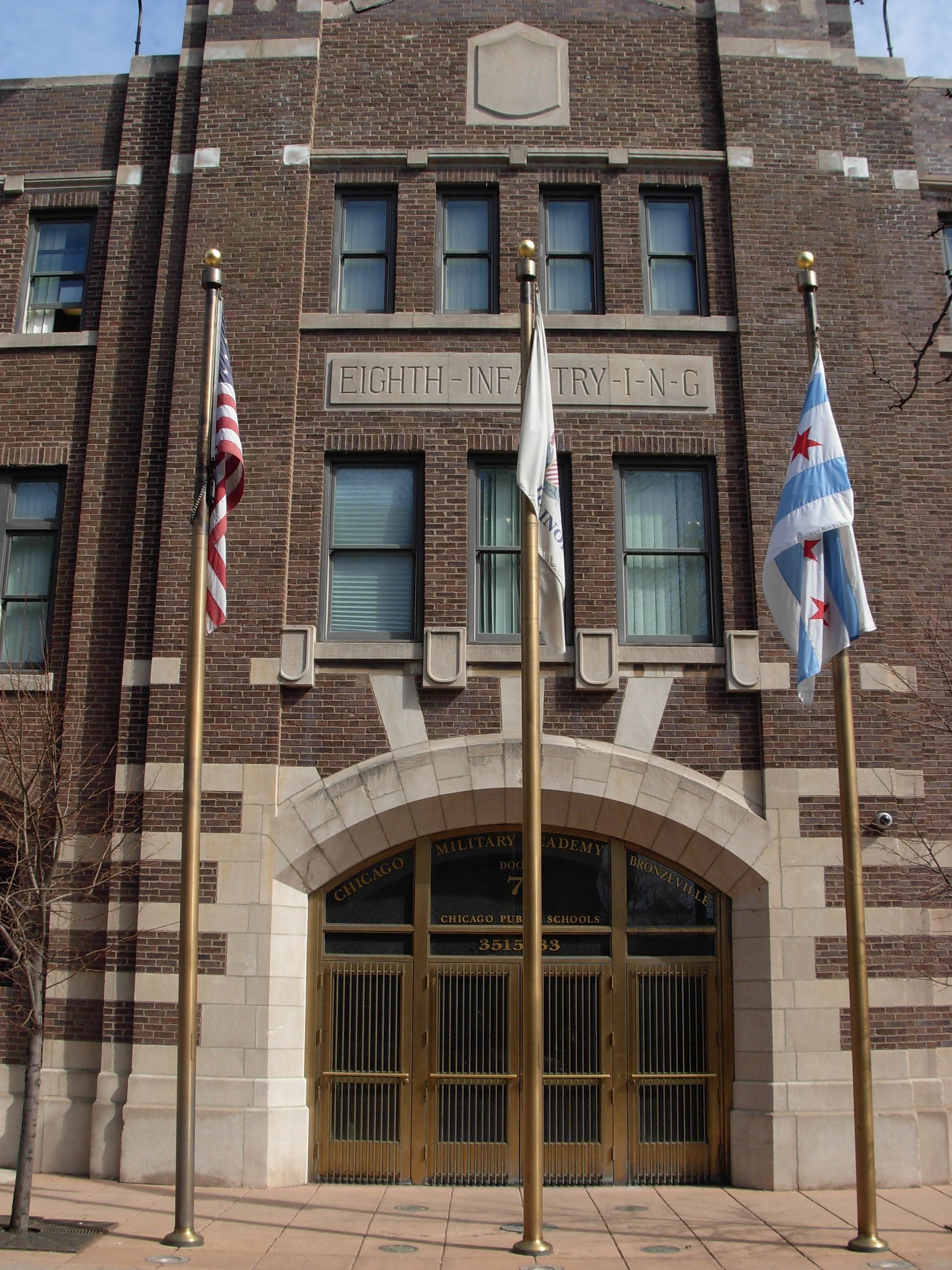
Photo: Steven Kevil, CC BY 3.0, via Wikimedia Commons
The full methodology of CultureTechLens is published in our open research repository: github.com/culturetechlens-cpu/culturetechlens-research (METHODOLOGY.md, v1.0, September 2026). What follows is the working summary.
Methodology
Evidence before authority. Every CultureTechLens output preserves claim, evidence, source, source type, date, uncertainty, contradictions, and verification state — and nothing is published without them.
The twelve-type publication hierarchy
CTL research moves through a fixed ladder of publication types. The pipeline runs 01 → 08 (capture to discover); 09 connects it all; 10–12 are the durable public forms.
| Type | Name | Purpose |
|---|---|---|
| 01 | Discovery Note | Capture |
| 02 | Research Brief | Investigate one question |
| 03 | Research Dossier | Establish an entity |
| 04 | Evidence File | Prove / test claims |
| 05 | Deep Research Report | Analyze what the evidence means |
| 06 | Research Dataset | Structure the knowledge (governed, versioned, machine-readable) |
| 07 | Research Atlas | Visualize (map + timeline + knowledge graph + archival media) |
| 08 | Research Directory | Discover (what exists, what it does, where it is, how to access it) |
| 09 | Knowledge Graph | Connect everything |
| 10 | Flagship Research Project | The large public research experience |
| 11 | Book / Annual / Journal | Publish |
| 12 | Exhibition / Documentary / Curriculum / Public Program | Embody |
Build order: Dossiers → Evidence File standard → Deep Research Reports → Datasets → Atlases → Directories. Not every question needs a flagship; the strongest briefs get promoted upward.
The grading vocabulary
Every claim is graded; grades are never upgraded for presentation:
| Grade | Meaning |
|---|---|
| VERIFIED | Confirmed against primary or authoritative sources with independent corroboration. |
| SUPPORTED | Substantial evidence, shown with its grade; feeds the knowledge graph with the grade visible. |
| PROVISIONAL | Preliminary finding; subject to revision as evidence is gathered. |
| DISPUTED | Conflicting evidence on record; the conflict is documented, not adjudicated silently. |
| UNRESOLVED | Evidence insufficient; the question stays open. |
| REFUTED | Evidence shows the claim is false — recorded, not deleted. |
| UNVERIFIABLE | No accessible evidence can test the claim. |
Working graph rule: only VERIFIED claims feed verified-only knowledge-graph edges. Unknowns never become zero — an undocumented subject is reported as undocumented, not as absent.
Red-team practice
Research packages carry red-team reviews: structured adversarial audits that attack the work’s claims, sourcing, and conclusions before publication. Findings are resolved openly — claim downgrades, myth corrections, and negative findings stay in the record.
Versioning and corrections
Publications carry version numbers and dates. Findings are revised as v1.0 → v1.1 → v2.0 under the same canonical URL — never silently rewritten. See the public corrections log.
Trust & evidence
Evidence before authority. CultureTechLens publishes its methods, its limits, and its corrections alongside its findings. Claims carry grades — VERIFIED, SUPPORTED, PROVISIONAL, DISPUTED, UNRESOLVED — and unknowns are never reported as zero.