 CULTURETECHLENS

Photo: BluesAllstars, CC BY-SA 4.0, via Wikimedia Commons
CULTURETECHLENS · “Culture, Clearly Seen.” · Black Cultural Intelligence
The monthly CTL 10
The CultureTechLens Index
The Index ranks ten subjects each month on a transparent 0–100 score — public attention (40%), CTL evidence depth (40%), momentum (20%) — and publishes the full signal data as a citable dataset.
A monthly, data-driven ranking of cultural figures, moments, artifacts, or places drawn from Black Chicago’s cultural record — published as a citable public source. Each edition ranks ten subjects (the CTL 10) on a transparent, reproducible 0–100 score.
The Index measures cultural resonance — how present a subject is in the documented record and in current public attention — not worth, greatness, or moral standing. Rankings describe the data. They do not crown winners.
Current edition: 2026-10 — Artifacts
“What can an ordinary object remember that the history books forgot?” — the question behind How We Lived: An Encyclopedia of Black Everyday Life (CTL-DR-LIFE-001). This edition answers it with data: the ten everyday artifacts most resonant in the combined record of public attention and CultureTechLens’s own verified research. Published 2026-09-28; deposited to Zenodo 2026-10-01 (advance release).
- #1 Cadillac (as cultural object) — 78.8
- #2 Funeral-home advertising church fan — 67.8
- #3 Yearbook (1955 Allen University 'Yellow Jacket') — 66.5
The edition’s signature finding: the Afro pick (fist-handle hair pick) — the deepest CTL documentation of all ten subjects, yet the lowest public attention (106 lookups). The most documented object is the least looked up — of these ten.
Open methodology, open data. The scoring pipeline, edition data, and methodology documents live on GitHub under CC BY 4.0 — inspect the method, reproduce the ranking, star the repository.
Scores are normalized within each edition (0–100 across that month’s ten subjects) and cannot be compared across editions.
How it is scored
- Public attention (40%): trailing-30-day Wikipedia pageviews per subject’s closest article, log-normalized across the set.
- Evidence depth (40%): how deeply CTL’s research corpus documents the subject — verified and provisional claim counts, relationship counts, and biography bonus, normalized across the set.
- Momentum (20%): pageview trend, trailing 30 days vs. prior 30 days; 50 = flat.
Read the full methodology (CTL-IDX-001 v1.1)
Rotation schedule
New editions publish monthly, on the first Tuesday of each month. One category per edition, rotating: Artifacts → Moments → Places → Figures → repeat.
Next: November 2026 — Moments, the ten most resonant moments in the Black Chicago record.
Archive
- Edition 2026-10: Artifacts — published 2026-09-28 (advance release; deposited to Zenodo 2026-10-01; monthly cadence begins the first Tuesday of each month).
- Edition 2026-11: Moments — published 2026-10-24 (advance release; Zenodo DOI 10.5281/zenodo.23614304).
- Earlier editions: none — the Index launched September 2026.
Embed the Index
The Index is built to travel. Get the free embed code for the CultureTechLens Index badge — HTML or Markdown, data CC BY 4.0. For the plain-language version of the method, read How the CTL 10 Index Works.
Source: CultureTechLens
Watch
The Index, explained
From the CultureTechLens YouTube channel.
From the Archive
The archive in pictures
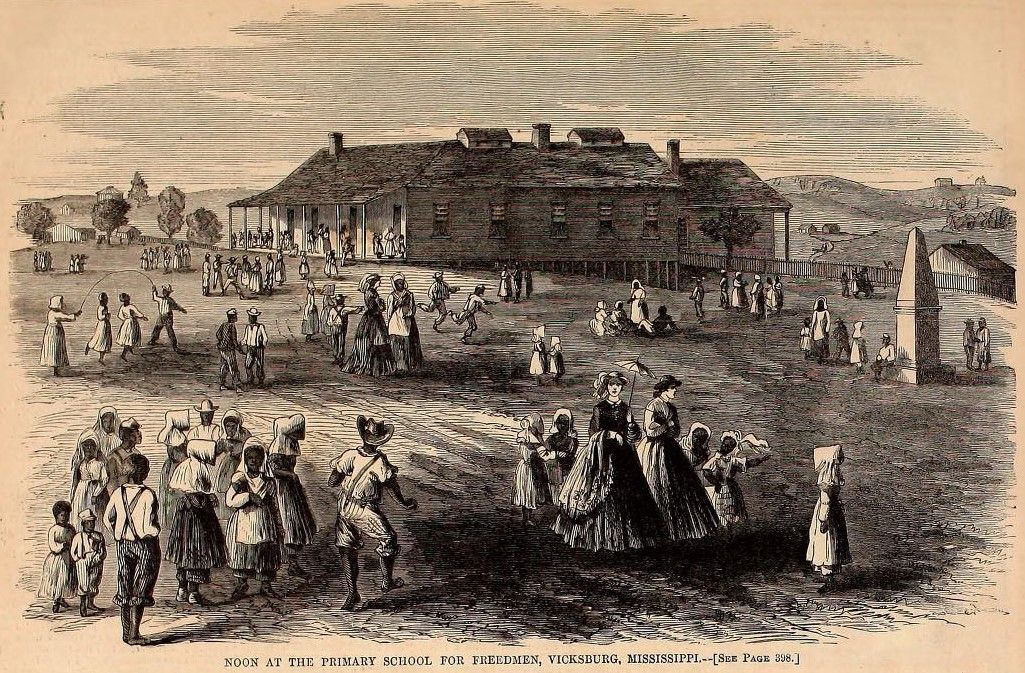
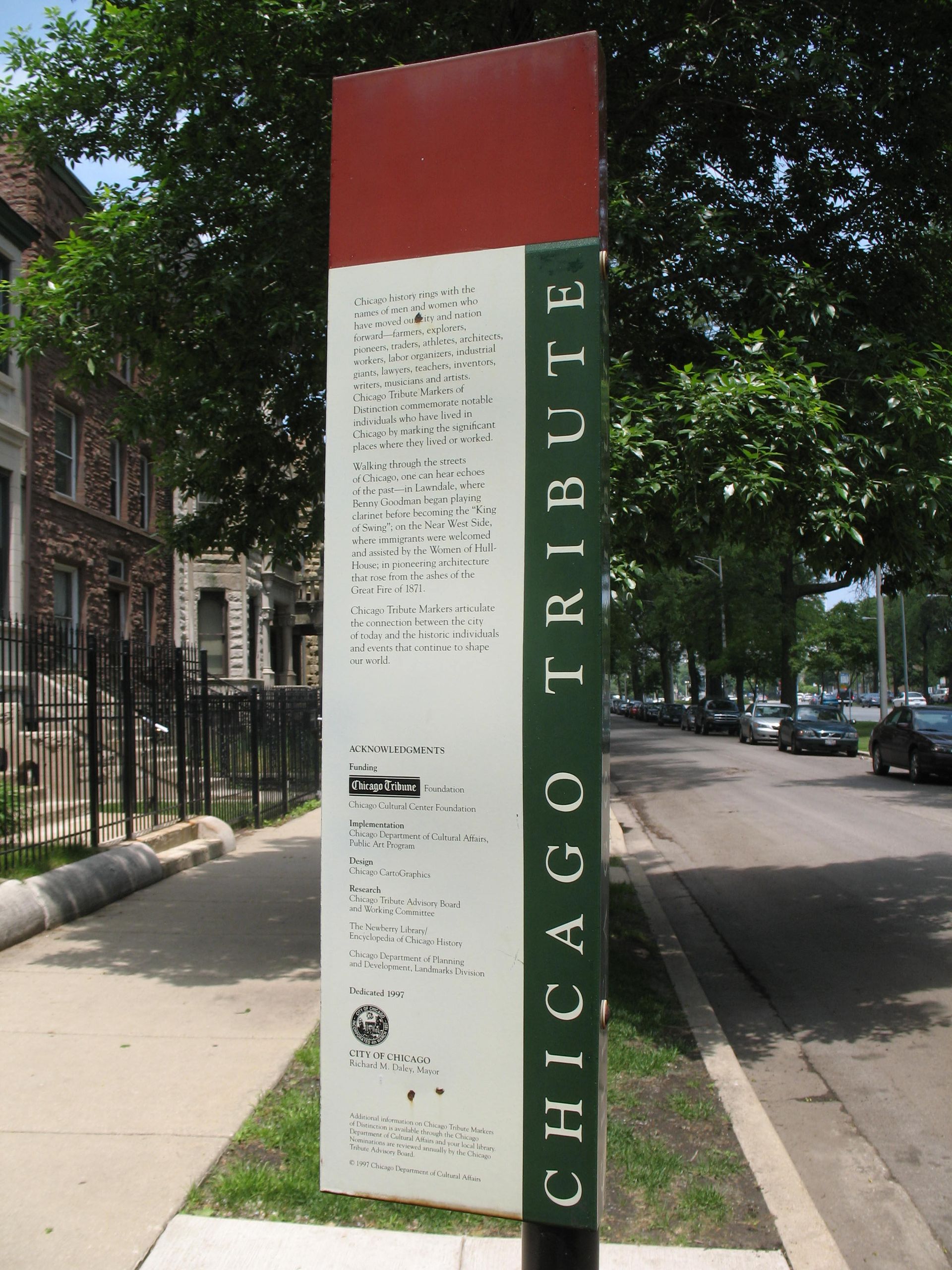
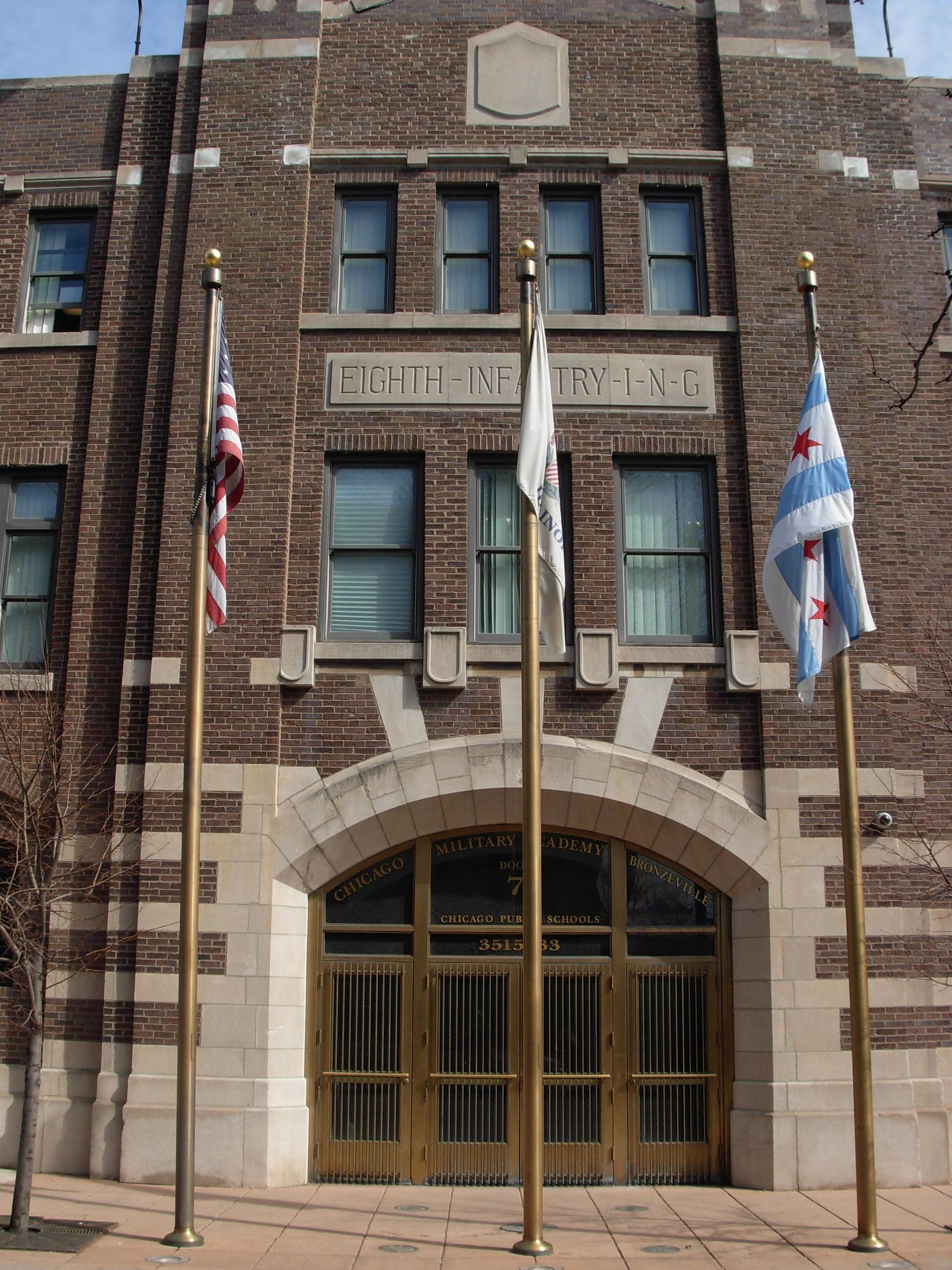
Where the learning happened — and who kept it. Photographs from the CultureTechLens research record — rights-cleared, credited, and cited like everything else here.
Trust & evidence
Evidence before authority. CultureTechLens publishes its methods, its limits, and its corrections alongside its findings. Claims carry grades — VERIFIED, SUPPORTED, PROVISIONAL, DISPUTED, UNRESOLVED — and unknowns are never reported as zero.
Every claim graded. Every source named. Every correction public — see the corrections log.