 CULTURETECHLENS
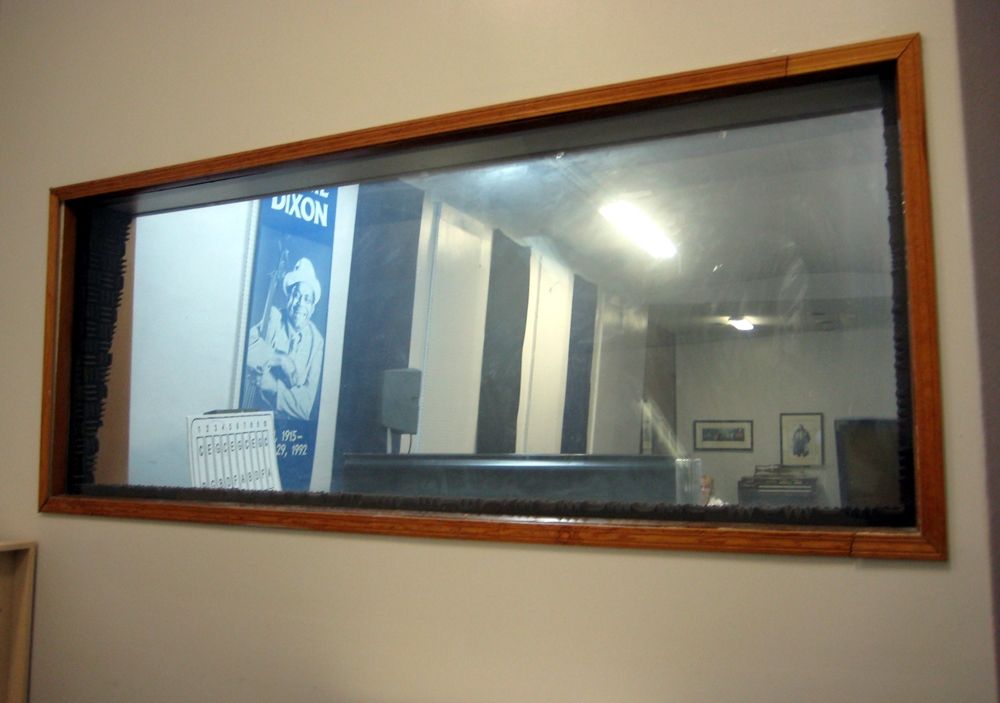
Photo: get directly down, CC BY 2.0, via Wikimedia Commons
CULTURETECHLENS · “Culture, Clearly Seen.” · Black Cultural Intelligence
CultureTechLens Index, Edition 2026-11: Moments
Download this edition as a PDF
Which moments does the record keep returning to — and which ones is the public still discovering? The ten most resonant moments in the Black Chicago record, ranked on the combined signal of public attention and CTL's own verified research. Rankings describe the data. They do not crown winners.
| Research ID | CTL-IDX-004 |
|---|---|
| Author | William Maxey — CultureTechLens NFP, Chicago, Illinois |
| Published | October 24, 2026 (advance release; monthly cadence begins the first Tuesday of each month) |
| DOI | 10.5281/zenodo.23614304 (Zenodo) |
| Methodology | CTL-IDX-001 v1.1 — read it |
| Previous edition | Edition 2026-10: Artifacts |
The CTL 10 — Moments, November 2026
- Emmett Till funeral at Roberts Temple (1955) — 68.5. The set's highest public attention by far (103,248 lookups) meets solid CTL documentation: 8 verified claims across six research packages.
- Chicago Freedom Movement: MLK in Chicago (1966) — 52.2. The edition's signature finding: the deepest CTL documentation of all ten subjects (9 verified + 5 provisional claims, 4 relationships, full event treatment) — and the lowest public attention (671 lookups). The most documented moment is the least looked up.
- The Great Migration: first wave to Chicago (1916) — 52.1. Strong public attention (16,992 lookups) and the widest corpus spread of any subject: verified or provisional claims in eight packages.
- Disco Demolition Night (1979) — 38.6. Public fascination (15,208 lookups) against the thinnest verified claim base in the set's top half: a single verified CTL claim. The record lags the attention.
- Chess Records founded (1950) — 36.0. Mid-pack on attention (5,710 lookups), mid-pack on evidence — and the most verified relationships in the set (5), the label as connective tissue.
- Soul Train premieres on WCIU-TV (1970) — 33.5. Strong public attention (12,629 lookups), thinnest CTL evidence in the set (evidence 0.0: one verified claim, one provisional, two relationships) — a documented gap in our own corpus, flagged openly.
- Harold Washington elected Chicago's first Black mayor (1983) — 26.4. Modest attention (1,262 lookups), steady evidence (3 verified + 2 provisional claims, full event treatment) — the record holds more than the public seeks.
- The Warehouse opens (1977) — 23.7. Attention modest but rising (momentum 52.7; 2,471 lookups vs. 2,346 the prior 30 days); evidence thin (4 verified claims, no verified relationships yet).
- Chicago Race Riot of 1919 — 21.2. Thin CTL evidence for a landmark (evidence 0.0: 2 verified + 2 provisional claims) — flagged openly as a corpus gap, an invitation to deeper research.
- First Bud Billiken Parade (1929) — 13.6. The edition's steepest momentum drop (6.2: lookups fell from 7,235 to 902 after the August 8 parade) — seasonal decay, not verdict.
Full signal breakdown
| # | Subject | Score | Attention (40%) | Evidence (40%) | Momentum (20%) | Pageviews (30d) |
|---|---|---|---|---|---|---|
| 1 | Emmett Till funeral at Roberts Temple (1955) | 68.5 | 100.0 | 46.4 | 49.5 | 103,248 |
| 2 | Chicago Freedom Movement: MLK in Chicago (1966) | 52.2 | 0.0 | 100.0 | 60.9 | 671 |
| 3 | The Great Migration: first wave to Chicago (1916) | 52.1 | 64.2 | 41.1 | 49.9 | 16,992 |
| 4 | Disco Demolition Night (1979) | 38.6 | 62.0 | 10.7 | 47.9 | 15,208 |
| 5 | Chess Records founded (1950) | 36.0 | 42.5 | 23.2 | 48.7 | 5,710 |
| 6 | Soul Train premieres on WCIU-TV (1970) | 33.5 | 58.3 | 0.0 | 51.1 | 12,629 |
| 7 | Harold Washington elected Chicago's first Black mayor (1983) | 26.4 | 12.5 | 30.4 | 46.0 | 1,262 |
| 8 | The Warehouse opens (1977) | 23.7 | 25.9 | 7.1 | 52.7 | 2,471 |
| 9 | Chicago Race Riot of 1919 | 21.2 | 25.6 | 0.0 | 54.9 | 2,439 |
| 10 | First Bud Billiken Parade (1929) | 13.6 | 5.9 | 25.0 | 6.2 | 902 |
How it was scored
Public attention (40%): trailing-30-day Wikipedia pageviews per subject's closest English article, log-normalized across the set. Each article was verified to exist; where no standalone article exists, the closest article is used (Emmett Till funeral → Emmett Till; Bud Billiken Parade → Bud Billiken Parade and Picnic).
Evidence depth (40%): from the CTL flagship timeline corpus — the verified timeline entries of the 14 deep-research packages, on the same formula family as Edition 2026-10: 2.0 × verified claims + 1.0 × provisional claims + 1.5 × verified relationships + 5.0 full-event-treatment bonus. Normalized across the set.
Momentum (20%): pageview trend, trailing 30 days vs. prior 30 days; 50 = flat. This is the first Moments edition, so there are no cross-edition trend arrows yet.
Computed by ctl-index.py; no hand-tuned scores.
Limitations
- Wikipedia pageviews skew toward subjects with English Wikipedia articles and internet-era attention.
- CTL's corpus reflects what CTL has researched so far; under-documented subjects score lower on evidence depth by construction. This edition surfaces two such gaps openly (Soul Train, the 1919 Race Riot).
- Moment-to-article mapping is interpretive: the Till funeral is scored on the Emmett Till article's attention, not a funeral-specific article. This inflates attention for the funeral relative to a narrower article; the mapping is disclosed so the number stays honest.
- The Index reflects resonance in the record, not community sentiment on the ground.
- Ranks move month to month; movement is signal, not verdict. The Bud Billiken Parade's momentum drop is seasonal (post-August parade), not a decline in cultural standing.
Corrections
None to date. Corrections are logged here with date and description.
Next edition
December 2026: Places — the ten most resonant places in the Black Chicago record.
Cite this
APA 7 — CultureTechLens. (2026). The CultureTechLens Index — Edition 2026-11 (Moments) (CTL-IDX-004). CultureTechLens NFP. https://doi.org/10.5281/zenodo.23614304
MLA 9 — CultureTechLens. “The CultureTechLens Index — Edition 2026-11 (Moments).” CultureTechLens, 24 Oct. 2026, culturetechlens.com/research/culturetechlens-index/2026-11-moments/ https://doi.org/10.5281/zenodo.23614304.
Chicago — CultureTechLens. “The CultureTechLens Index — Edition 2026-11 (Moments) (CTL-IDX-004).” Chicago, IL: CultureTechLens NFP, 2026. https://doi.org/10.5281/zenodo.23614304
BibTeX — @techreport{ctlctlidx004, author = {CultureTechLens}, title = {The CultureTechLens Index — Edition 2026-11 (Moments)}, institution = {CultureTechLens NFP}, number = {CTL-IDX-004}, year = {2026}, doi = {10.5281/zenodo.23614304}, url = {https://culturetechlens.com/research/culturetechlens-index/2026-11-moments/}}
License: CC BY 4.0 — reuse with attribution to CultureTechLens. Photographs on this page carry their own licenses (see credits).
Source: CultureTechLens
From the Archive
The archive in pictures
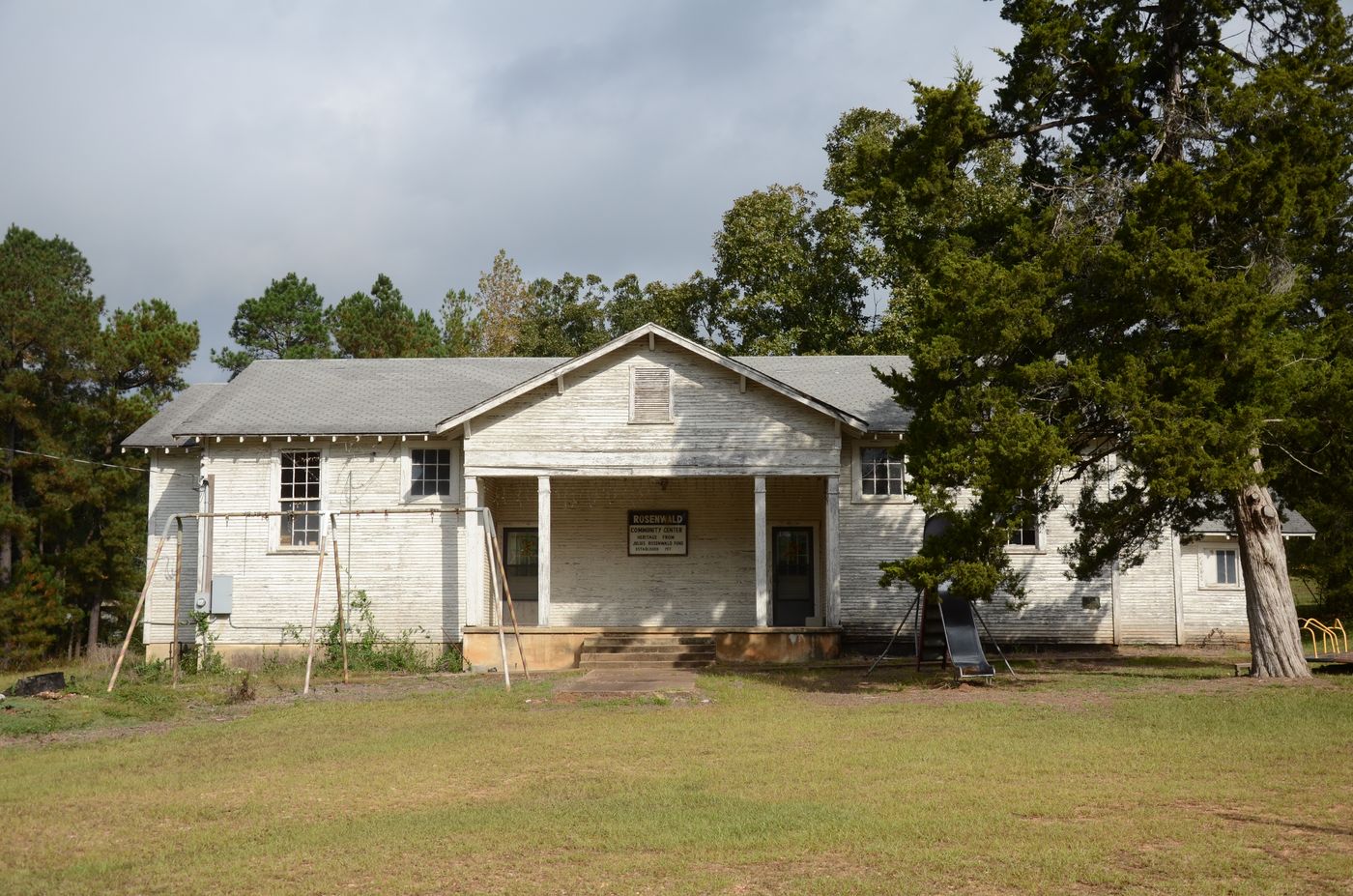
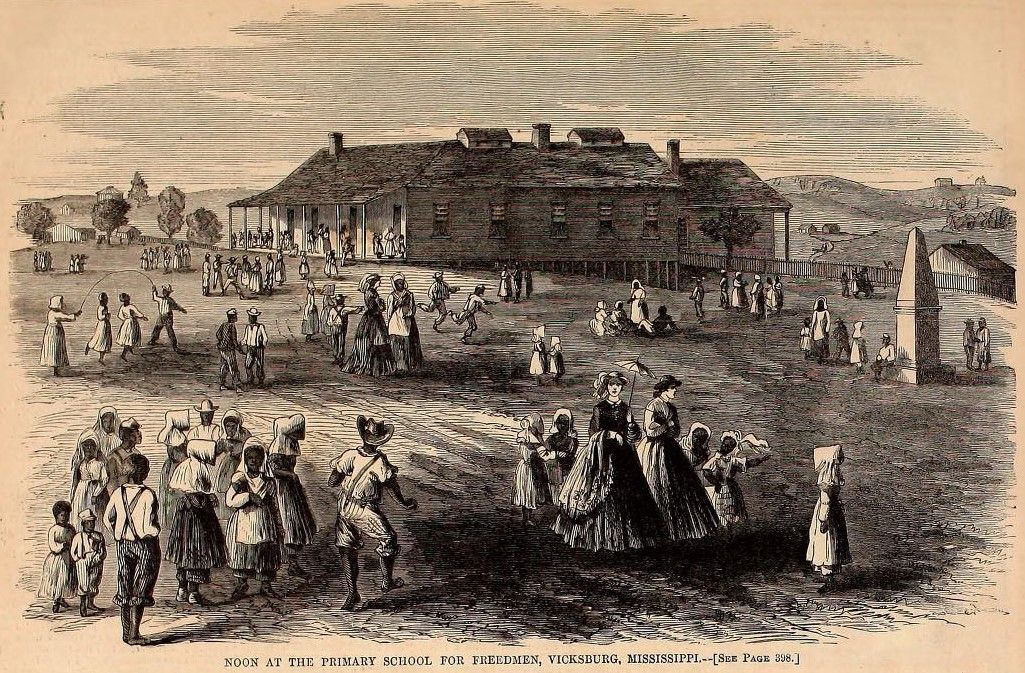
Where the learning happened — and who kept it. Photographs from the CultureTechLens research record — rights-cleared, credited, and cited like everything else here.
Trust & evidence
Evidence before authority. CultureTechLens publishes its methods, its limits, and its corrections alongside its findings. Claims carry grades — VERIFIED, SUPPORTED, PROVISIONAL, DISPUTED, UNRESOLVED — and unknowns are never reported as zero.
Every claim graded. Every source named. Every correction public — see the corrections log.