 CULTURETECHLENS
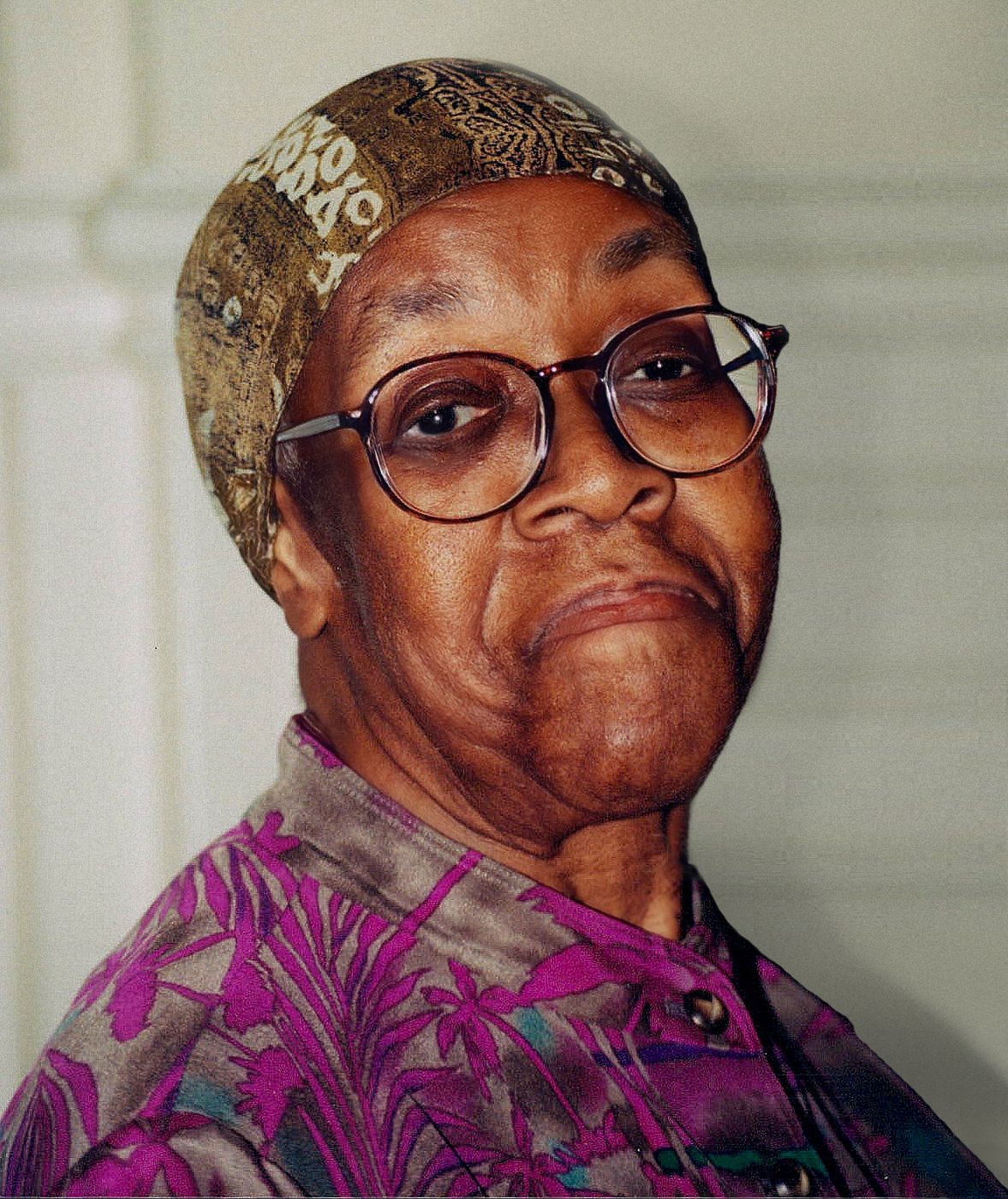
Photo: John Mathew Smith, CC BY-SA 2.0, via Wikimedia Commons
CULTURETECHLENS · “Culture, Clearly Seen.” · Black Cultural Intelligence
Who Controls the Story? The Black Media Infrastructure of America
Who controls the Black media story in America? The infrastructure reaching Black audiences is increasingly not owned by Black institutions — and federal policy built Black broadcast ownership, then dismantled it.
| Author | William Maxey — CultureTechLens NFP, Chicago, IL |
|---|---|
| Published | October 2026 · Zenodo (deposited October 5, 2026) · CC BY 4.0 |
| DOI | 10.5281/zenodo.23173917 |
| Author ORCID | 0009-0004-2837-8037 |
| Version | Corrected version 2 (October 2026) — the version hosted here |
| Related report | Who Controls the Story? (CTL-DR-MEDIA-001) — the research report this paper distills; a different work with its own DOI |
Abstract
Who controls the Black media story in America? Drawing on a structured research package of 140 entities, 482 evidence-graded claims, 255 timeline events, and 335 sources spanning 1827 to 2026, this paper argues that the infrastructure reaching Black audiences is increasingly not owned by Black institutions. Across print, radio, television, and digital platforms, one pattern repeats: federal policy built Black broadcast ownership — the 1978 Minority Tax Certificate grew minority-owned stations from roughly 40 to about 323 — and federal policy dismantled it, with its 1995 repeal and the 1996 Telecommunications Act leaving fewer than 180 Black-owned commercial stations out of more than 11,000 by 2020. The Black-owned national core has consolidated into three operators, while the largest Black-targeted assets sit in non-Black hands. The paper identifies four survival models — Black-capital buy-backs, scale-and-diversification, nonprofit conversion, and corporate-IP consolidation — and documents the archival record itself as endangered. Findings are presented at their verified evidence grades; what remains provisional, disputed, or unknown is named plainly.
Read the paper
The PDF is the version of record. It is published open access under CC BY 4.0 and is also deposited on Zenodo under the DOI above.
Cite this
APA 7 — Maxey, W. (2026). Who Controls the Story? The Black Media Infrastructure of America. CultureTechLens NFP. https://doi.org/10.5281/zenodo.23173917
MLA 9 — Maxey, William. “Who Controls the Story? The Black Media Infrastructure of America.” CultureTechLens, 5 Oct. 2026, culturetechlens.com/research/papers/who-controls-the-story/ https://doi.org/10.5281/zenodo.23173917.
Chicago — Maxey, William. “Who Controls the Story? The Black Media Infrastructure of America.” Chicago, IL: CultureTechLens NFP, 2026. https://doi.org/10.5281/zenodo.23173917
BibTeX — @techreport{ctlwhocontrolsthestory, author = {Maxey, William}, title = {Who Controls the Story? The Black Media Infrastructure of America}, institution = {CultureTechLens NFP}, year = {2026}, doi = {10.5281/zenodo.23173917}, url = {https://culturetechlens.com/research/papers/who-controls-the-story/}}
License: CC BY 4.0 — reuse with attribution to CultureTechLens. Photographs on this page carry their own licenses (see credits).
Source: CultureTechLens
From the Archive
The archive in pictures
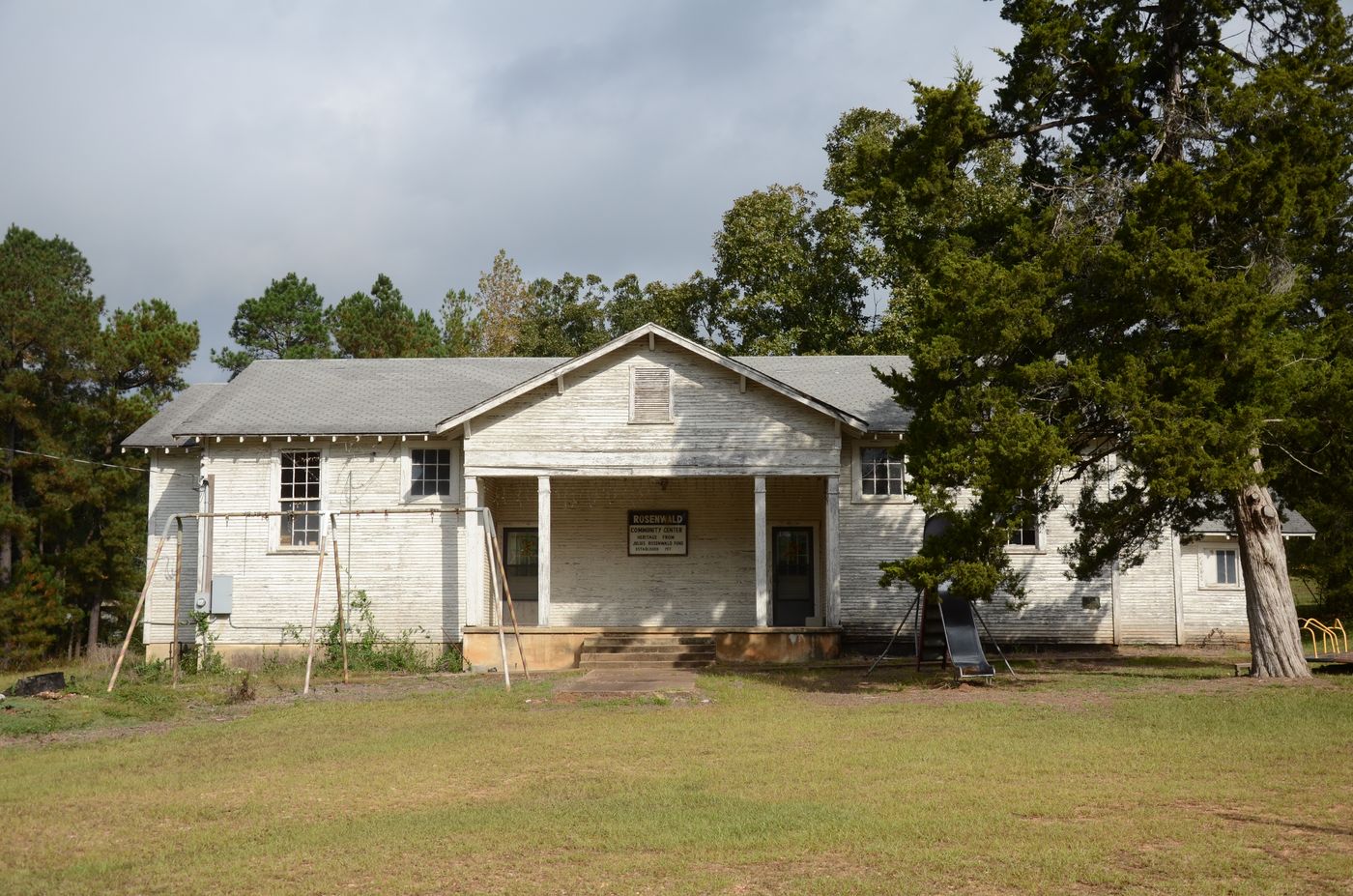
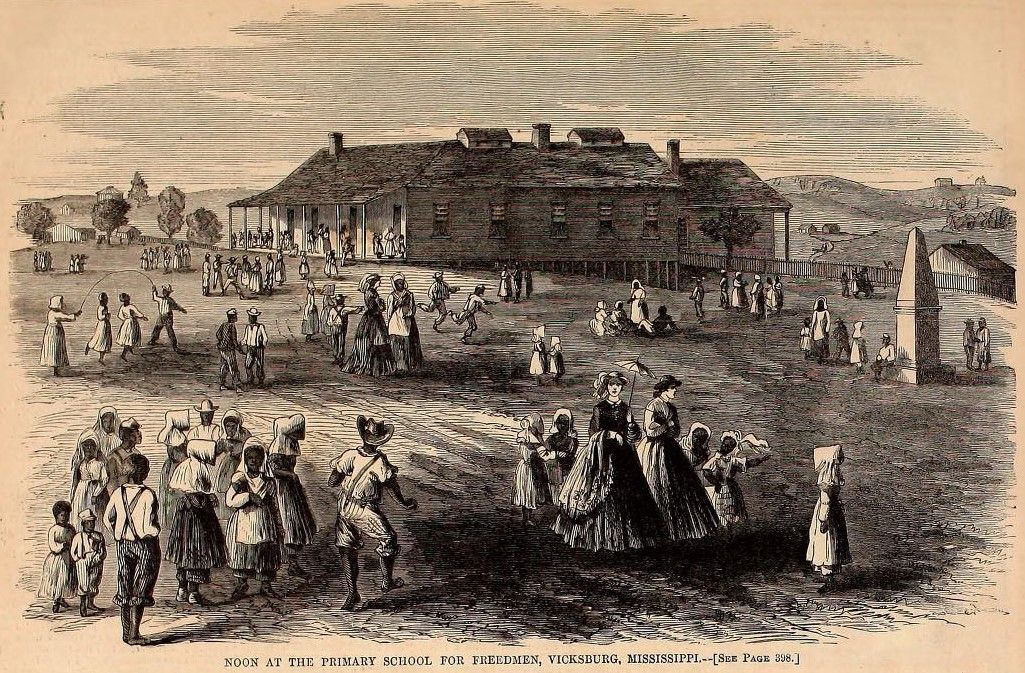
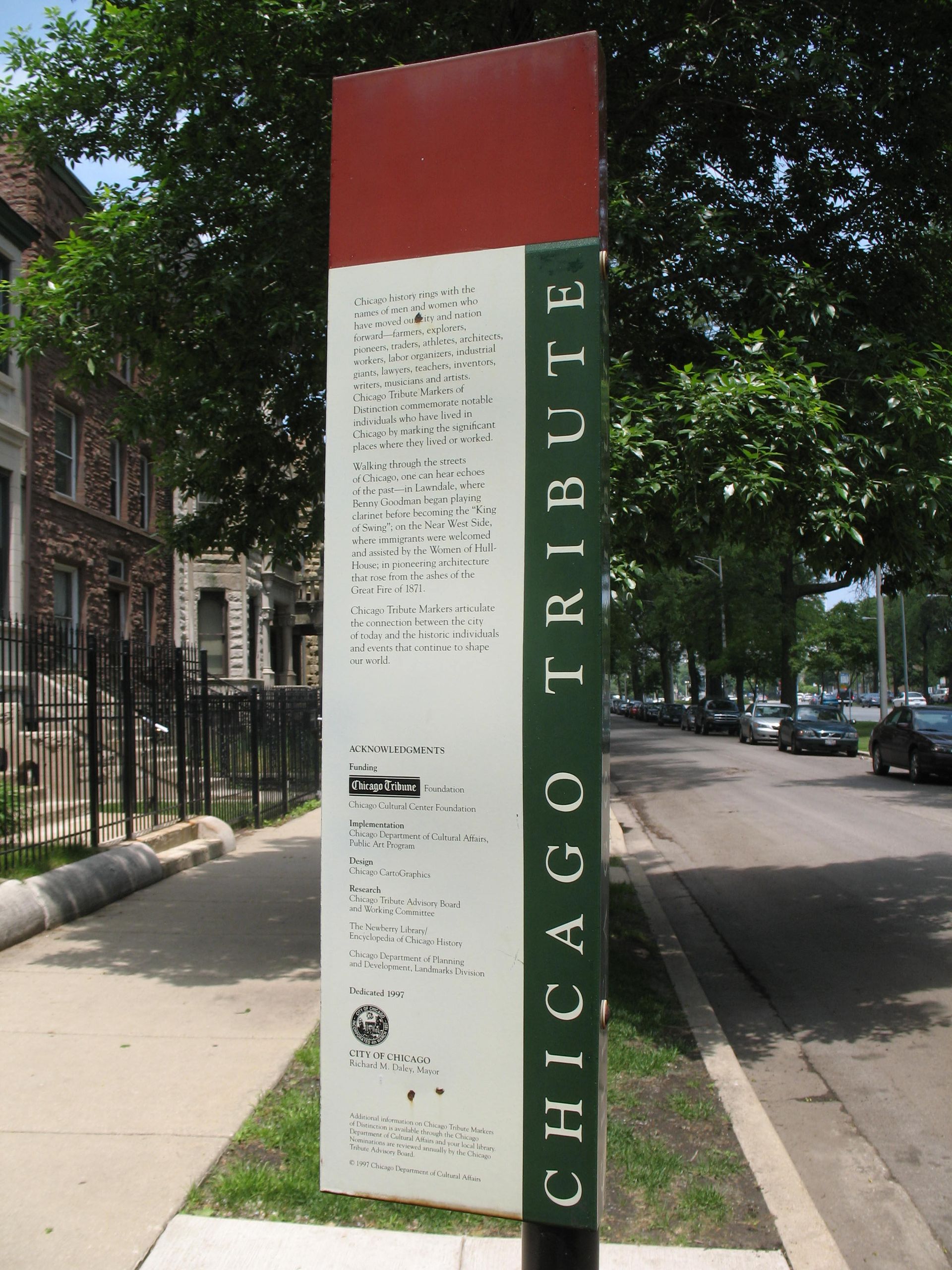
Where the learning happened — and who kept it. Photographs from the CultureTechLens research record — rights-cleared, credited, and cited like everything else here.
Trust & evidence
Evidence before authority. CultureTechLens publishes its methods, its limits, and its corrections alongside its findings. Claims carry grades — VERIFIED, SUPPORTED, PROVISIONAL, DISPUTED, UNRESOLVED — and unknowns are never reported as zero.
Every claim graded. Every source named. Every correction public — see the corrections log.