 CULTURETECHLENS
The Encyclopedia · CTL-ENC-000286
Louis T. Wright
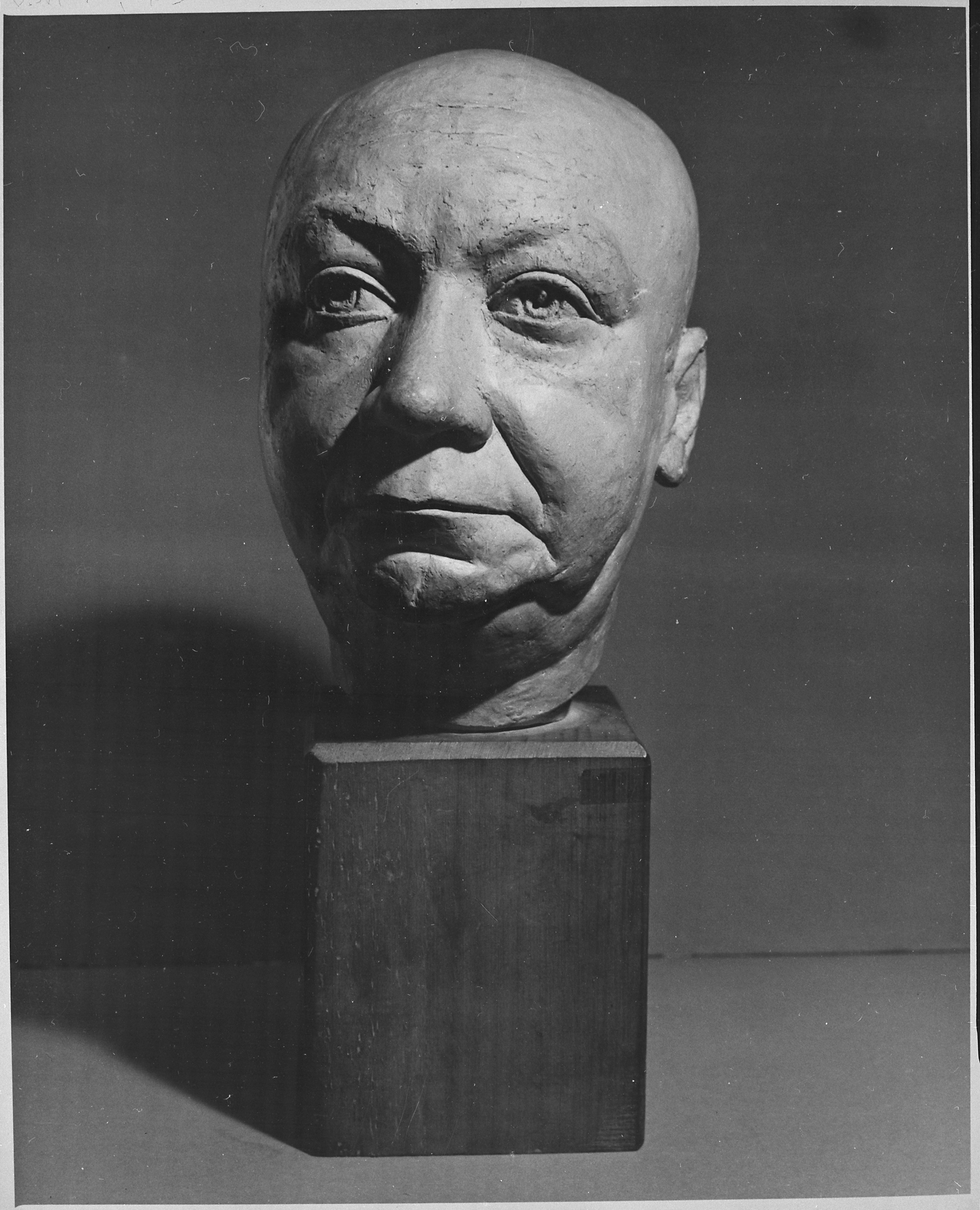
Harlem Hospital surgeon who in 1919 became the first Black physician appointed to the surgical staff of a non-segregated New York City hospital, rose to direct its surgery department, and spent three decades integrating and rebuilding the hospital while chairing the NAACP's national board.
| At a glance | |
|---|---|
| Type | PERSON — physician |
| Dates | 1891-07-23 – 1952-10-08 |
| Chicago connection | SIGNIFICANT — national significance; no Chicago anchor documented, none invented |
| Known for | First Black surgeon on the staff of a non-segregated New York hospital (Harlem Hospital, 1919); NAACP board chairman, 1934–1952; Spingarn Medal, 1940 |
| Verification | VERIFIED |
| CTL ID | CTL-ENC-000286 |
| Documented address | None documented in the sources consulted |
Overview
Louis Tompkins Wright (July 23, 1891 – October 8, 1952) was an American surgeon and civil rights activist. Harvard's Countway Library, which holds his papers, frames his Harlem Hospital record as a triple first within New York's municipal system: the first Black physician appointed to the medical staff of a New York hospital, the first made director of a department in a non-segregated municipal hospital, and the first to serve as president of a medical board of such a hospital [S1]. Born in LaGrange, Georgia, the son and stepson of physicians — his father Ceah Ketcham Wright was a Meharry graduate; his stepfather William Fletcher Penn was Yale Medical School's first Black graduate — he graduated from Clark University in Atlanta as valedictorian in 1911 and from Harvard Medical School in 1915, fourth in his class, having missed three weeks of classes to picket The Birth of a Nation with the NAACP [S1][S2]. Denied internships at Boston's major hospitals, he interned at Freedmen's Hospital in Washington [S1].
War and Harlem
Wright practiced briefly with his stepfather in Atlanta, then served in the Army Medical Corps in France in the First World War, introducing intradermal smallpox vaccination and suffering permanent lung damage in a gas attack that earned him a Purple Heart [S1][S2]. Returning in 1919, he settled in New York and began the association with Harlem Hospital that lasted the rest of his life [S1]. Harlem Hospital was far from integrated when he arrived; his appointment opened the municipal hospital system to Black professional personnel, and he fought from inside — against the unwritten law barring Black doctors and nurses from New York municipal hospitals, and in the 1930s against a Rosenwald Fund proposal to build a separate segregated hospital in New York [S1]. As surgical director he raised the hospital's standards, founded the Harlem Hospital Bulletin and its medical library, built a cancer research center, specialized in head injuries, and led early human use of aureomycin [S1][S2].
The NAACP chairmanship
Wright chaired the NAACP's national board of directors from 1934 until his death in 1952 — nearly two decades at the head of the country's leading civil rights organization, held simultaneously with a surgical career [S1]. The NAACP awarded him its Spingarn Medal in 1940 for raising the quality of medical care and residency training open to Black professionals [S2]. His daughters Jane Cooke Wright and Barbara Wright Pierce both became physicians; Jane Cooke Wright became a founding figure of modern chemotherapy. He died in New York on October 8, 1952 [S2]. Wright's career is the hospital-integration counterpart to the Black-hospital movement in this volume: where Mossell and Williams built separate institutions because integration was refused, Wright spent thirty years forcing one great municipal hospital to integrate — and documenting, in its bulletin and library, what Black surgeons could do once inside.
Connection
This entry is classed SIGNIFICANT. Its subject has no documented Chicago anchor, and none is invented: the connection to this Chicago-centered encyclopedia is the national one stated in the body — the institutions, schools, and associations these entries document trained, credentialed, organized, and wrote the history of the Black physicians who built Chicago's own Black medical world, from Provident Hospital's staff lines to the National Medical Association's Chicago leadership. William A. Hinton (CTL-ENC-000285) is the batch's exception in the other direction: Chicago-born, Boston-made.
Documented address and map
No address documented in the sources consulted — no coordinates are recorded and no map is published for this entry.
See also
Relationships
- affiliated_with — Harlem Hospital — Wright began his lifelong association with Harlem Hospital's surgery department in 1919, becoming its director of surgery (Countway Library biography).
Sources
- S1: Harvard Medical School, Center for the History of Medicine. "Wright, Louis T. (Louis Tompkins), 1891–1952. Papers — Biography." Countway Library. https://collections.countway.harvard.edu/onview/files/original/c0cc52044f85134873ae929c64fccf2b.pdf.
- S2: "Louis T. Wright (1891–1952)." BlackPast.org. https://blackpast.org/african-american-history/wright-louis-t-1891-1952/.
Cite this entry
- Chicago: CultureTechLens. "Louis T. Wright." CultureTechLens Encyclopedia, Black Medicine (staged), version 0.1, October 29, 2026. CultureTechLens NFP. CTL-ENC-000286. Source: CultureTechLens
- APA: CultureTechLens. (2026). Louis T. Wright (Version 0.1, Entry CTL-ENC-000286). CultureTechLens Encyclopedia. CultureTechLens NFP. Source: CultureTechLens
- MLA: CultureTechLens. "Louis T. Wright." CultureTechLens Encyclopedia, version 0.1, CultureTechLens NFP, 29 Oct. 2026. Entry CTL-ENC-000286. Source: CultureTechLens
Further reading
- See Sources; institutional histories named there are the entry points for deeper reading.
Image credits
- See the Images block in the frontmatter for the full credit line, rights status, and rights document.
<!-- =======================