 CULTURETECHLENS
The Encyclopedia · CTL-ENC-000125
Bessie Coleman
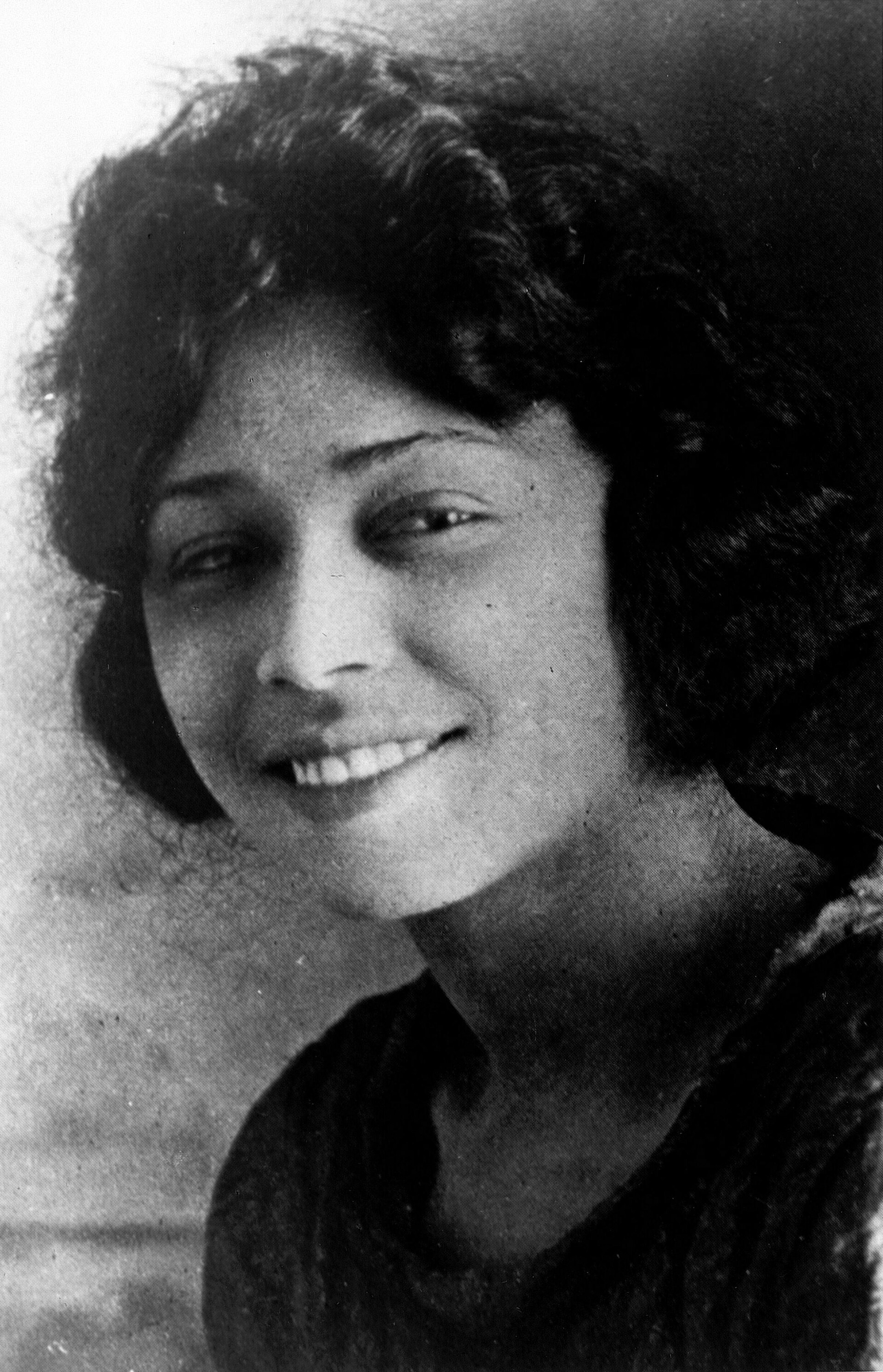
Bessie Coleman (January 26, 1892 – April 30, 1926) was the first African American woman — and, as the U.S.
| At a glance | |
|---|---|
| Type | PERSON — aviator |
| Dates | – |
| Chicago connection | CORE — see the Chicago connection section |
| Known for | Bessie Coleman (January 26, 1892 – April 30, 1926) was the first African American woman — and, as the U.S. |
| Verification | PROVISIONAL |
| CTL ID | CTL-ENC-000125 |
Overview
Bessie Coleman (January 26, 1892 – April 30, 1926) was the first African American woman — and, as the U.S. Mint's account adds, the first Native American woman — to hold a pilot's license, a Chicago-based barnstorming aviator whose career was built in defiance of the twin bars of race and sex. (The Smithsonian National Postal Museum's page carries a birth year of 1896; the Smithsonian Institution's Snapshot, the Chicago History Museum, and the Air and Space Museum all give January 26, 1892, in Atlanta, Texas, and that dating is followed here.) One of thirteen children of sharecroppers George and Susan Coleman, she picked cotton in Waxahachie, worked as a washerwoman, briefly attended college in Langston, Oklahoma, and in 1915 followed the Great Migration to Chicago, living with her brothers on the South Side and working as a manicurist and restaurant manager.
Chicago gave her the ambition and its first backers. Her brothers, home from World War I, teased and encouraged her with stories of French women pilots; flight schools in the United States refused her as a Black woman. Robert S. Abbott, founder of the Chicago Defender, and banker Jesse Binga backed her financially; she learned French, sailed in 1920, and trained at the Caudron Brothers School of Aviation at Le Crotoy. On June 15, 1921, the Fédération Aéronautique Internationale issued her license — the first pilot's license granted to an African American woman, and the first international license earned by an American woman. She took further training in stunt flying and parachuting in France before returning that September.
Life and career
Commercial flying was closed to her, so she barnstormed. The Smithsonian's account has her performing in the Chicago area first — loops and figure eights — and then across the country as "Queen Bess" and "Brave Bessie," drawing multicultural crowds through the South after a 1925 move to Houston. Her condition for performing was a matter of record and principle: she refused shows that denied admission to African Americans or segregated their seating. The money was being saved toward her stated goal, a flying school for African Americans; a beauty parlor in Florida was a second income stream toward the same end.
She was nearly there when, on April 30, 1926, over Jacksonville, Florida, the Curtiss Jenny flown by her mechanic and publicity agent William Wills went into a nosedive and flipped about ten minutes into a practice flight for a May Day show; Coleman, her seat belt unfastened so she could survey the landing field, was thrown from the plane and killed. A loose wrench, left in the aircraft, had jammed the controls. She is buried in Lincoln Cemetery in Cook County, Illinois, where Black pilots still fly over her grave each anniversary to drop flowers. The tributes compounded after: a 1995 U.S. postage stamp, aviation clubs in her name, and the 2023 Bessie Coleman quarter in the American Women Quarters program, launched with ceremonies at Chicago's DuSable Black History Museum.
The commemoration reached a new form in 2023, when the United States Mint issued the Bessie Coleman quarter in its American Women Quarters program — the first African American woman pilot rendered on circulating American coinage. The Mint's account of the launch records ceremonies in both cities of her story: in Chicago, at the DuSable Black History Museum and Education Center, where the Mint, the National Women's History Museum, and the Smithsonian American Women’s History Museum presented shadow-boxed quarters to the DuSable and to the Federal Aviation Administration, received by her great-niece Gigi Coleman; and in Jacksonville, where she died. The Mint restates the core facts its coin honors: first African American and first Native American woman licensed pilot, the international license of June 15, 1921 — two years, it notes, before Amelia Earhart's license — and a determination that continues to instruct. Coleman had promised herself, in the phrase the Air and Space Museum popularized, that she would amount to something; the flight school she did not live to open opened instead as a century of pilots who cite her name. This record is a staged proposal pending the founder's classification sitting.
Chicago connection
Mint's account adds, the first Native American woman — to hold a pilot's license, a Chicago-based barnstorming aviator whose career was built in defiance of the twin bars of race and sex. (The Smithsonian National Postal Museum's page carries a birth year of 1896; the Smithsonian Institution's Snapshot, the Chicago History Museum, and the Air and Space Museum all give January 26, 1892, in Atlanta, Texas, and that dating is followed here.) One of thirteen children of sharecroppers George and Susan Coleman, she picked cotton in Waxahachie, worked as a washerwoman, briefly attended college in Langston, Oklahoma, and in 1915 followed the Great Migration to Chicago, living with her brothers on the South Side and working as a manicurist and restaurant manager. Chicago gave her the ambition and its first backers. Abbott, founder of the Chicago Defender, and banker Jesse Binga backed her financially; she learned French, sailed in 1920, and trained at the Caudron Brothers School of Aviation at Le Crotoy. The Smithsonian's account has her performing in the Chicago area first — loops and figure eights — and then across the country as "Queen Bess" and "Brave Bessie," drawing multicultural crowds through the South after a 1925 move to Houston. postage stamp, aviation clubs in her name, and the 2023 Bessie Coleman quarter in the American Women Quarters program, launched with ceremonies at Chicago's DuSable Black History Museum. [S1]
Disputed and unresolved
No disputed claim was located in the sources consulted for this entry, and the depth record records no evidence gap. Open items, if any, are listed in Editorial notes.
See also
Relationships
- associated_with — Bronzeville (CTL-E-0205) — Restated from the CultureTechLens Knowledge Graph: Bessie Coleman (CTL-E-0888) associated_with Bronzeville (CTL-E-0205), verification Verified.
- related_to — Robert S. Abbott (CTL-E-0101) — Restated from the CultureTechLens Knowledge Graph: Bessie Coleman (CTL-E-0888) related_to Robert S. Abbott (CTL-E-0101), verification Verified.
Sources
- S1: Smithsonian Institution (Snapshot). "Bessie Coleman, First African American Woman Licensed Pilot." Accessed October 26, 2026. https://www.si.edu/collections/snapshot/bessie-coleman-first-african-american-woman-licensed-pilot.
- S2: Chicago History Museum. "Bessie Coleman, Aviation Pioneer." Accessed October 26, 2026. https://www.chicagohistory.org/bessie-coleman-aviation-pioneer/.
- S3: Smithsonian National Air and Space Museum. "How Bessie Coleman Broke Barriers to Make History." Accessed October 26, 2026. https://airandspace.si.edu/stories/editorial/how-bessie-coleman-broke-barriers-make-history.
- S4: Smithsonian National Postal Museum. "Bessie Coleman." Accessed October 26, 2026. http://postalmuseum.si.edu/exhibition/women-on-stamps-part-2-aviatrixes-and-athletes-inspiring-lives-aviatrixes/bessie-coleman.
- S5: United States Mint. "Historic Change: The Soaring Life of Pilot Bessie Coleman." Accessed October 26, 2026. https://www.usmint.gov/news/inside-the-mint/soaring-life-of-pilot-bessie-coleman.
- S6: CultureTechLens Knowledge Graph (schema v0.3.1), entities.json and relationships.json — CTL's own graph register, consulted 2026-10-29 for crosswalk facts and restated relationships.
Cite this entry
- Permanent ID: CTL-ENC-000125 · Crosswalked graph record: CTL-ESS-0084 · Version: 0.1 · Date: 2026-10-29
- Chicago: CultureTechLens. "Bessie Coleman." CultureTechLens Encyclopedia, version 0.1, October 29, 2026. CultureTechLens NFP. CTL-ENC-000125.
- APA: CultureTechLens. (2026). Bessie Coleman (Version 0.1, Entry CTL-ENC-000125). CultureTechLens Encyclopedia. CultureTechLens NFP.
- MLA: CultureTechLens. "Bessie Coleman." CultureTechLens Encyclopedia, version 0.1, CultureTechLens NFP, 29 Oct. 2026. Entry CTL-ENC-000125.
Further reading
- CultureTechLens Knowledge Graph record CTL-ESS-0084 (crosswalked; published graph register id CTL-E-0888).
Image credits
- Bessie Coleman photograph: see Images block in the frontmatter for the full credit line, rights status, and rights document.
Citation
CultureTechLens. "Bessie Coleman." CultureTechLens Encyclopedia, Vol. 1 — Black Chicago, version 0.1, 2026-10-29. CultureTechLens NFP. CTL-ENC-000125.
<!-- =======================