 CULTURETECHLENS
The Willis Wagons: How a Trailer Became Chicago's Segregation Symbol
CULTURETECHLENS · “Culture, Clearly Seen.” · Black Cultural Intelligence
Cite as: CultureTechLens, “The Willis Wagons: How a Trailer Became Chicago's Segregation Symbol,” Research Brief CTL-RB-CHI-000008, November 22, 2026. Source: CultureTechLens · culturetechlens.com
The Willis Wagons were aluminum mobile classrooms — 20-by-36-foot trailers — that Chicago Public Schools Superintendent Benjamin C. Willis placed on the playgrounds, parking lots, and vacant lots of overcrowded Black schools instead of transferring Black students to nearby white schools with empty seats. Black parents named them, fought them in the street in the summer of 1963, and then built one of the largest civil rights demonstrations in Northern history against the system behind them: Freedom Day, October 22, 1963, when more than 200,000 students stayed out of school. The wagons were a piece of school furniture. The fight over them was a fight over whether Chicago would integrate at all.
CULTURETECHLENS — Culture, Clearly Seen. — Black Cultural Intelligence Chicago, 1961–1966
Research question: What were the "Willis Wagons," why did Black Chicagoans organize against them, and what did the protest movement against them achieve?
Status: Research v0.1 complete (2026-10-31). Published November 22, 2026. Accuracy over completeness; uncertainty is marked, not hidden.
01 — The short answer
The Willis Wagons were aluminum mobile classrooms — 20-by-36-foot trailers — that Chicago Public Schools Superintendent Benjamin C. Willis placed on the playgrounds, parking lots, and vacant lots of overcrowded Black schools instead of transferring Black students to nearby white schools with empty seats. Black parents named them, fought them in the street in the summer of 1963, and then built one of the largest civil rights demonstrations in Northern history against the system behind them: Freedom Day, October 22, 1963, when more than 200,000 students stayed out of school. The wagons were a piece of school furniture. The fight over them was a fight over whether Chicago would integrate at all.
02 — The city the wagons landed in
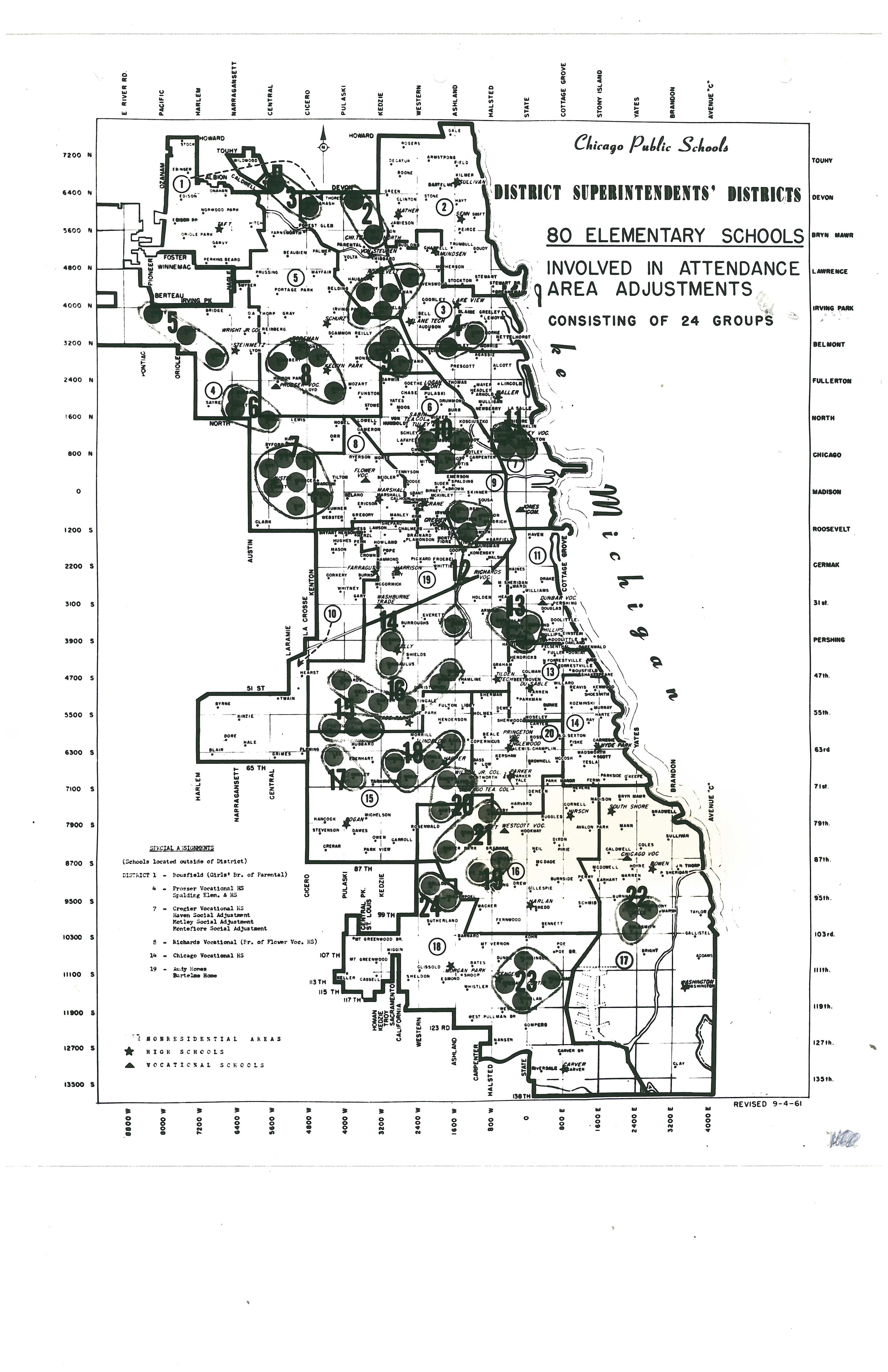
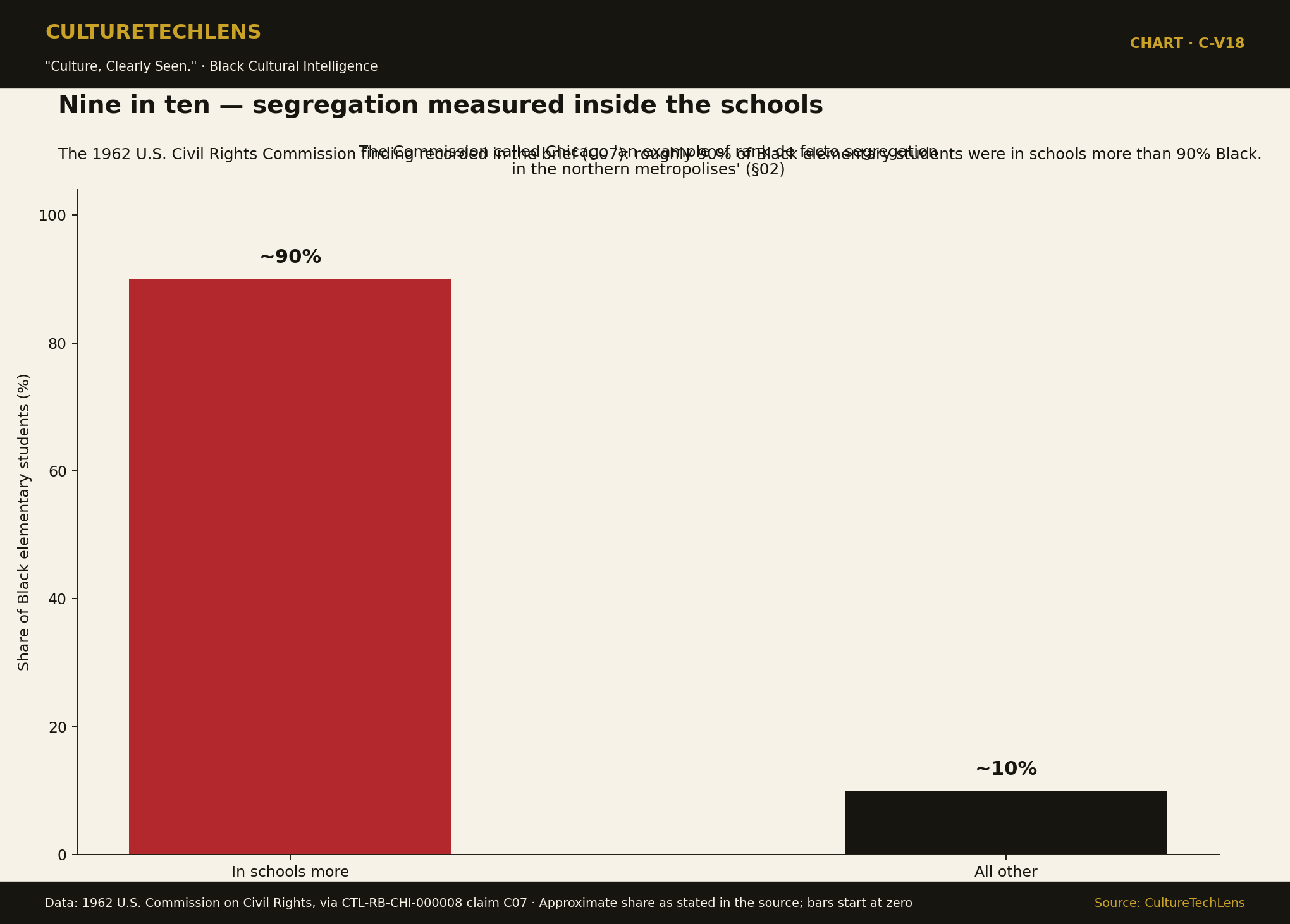
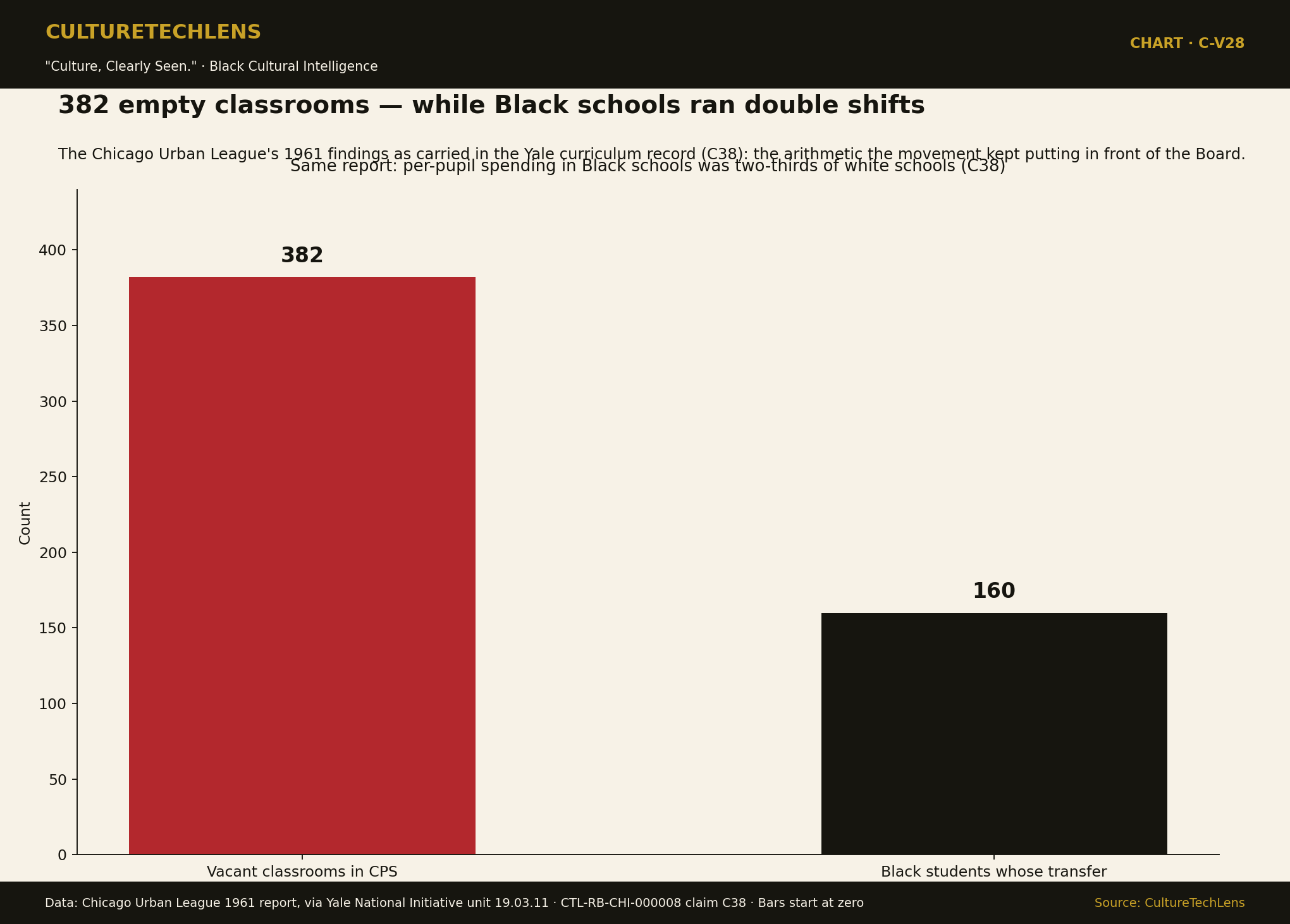
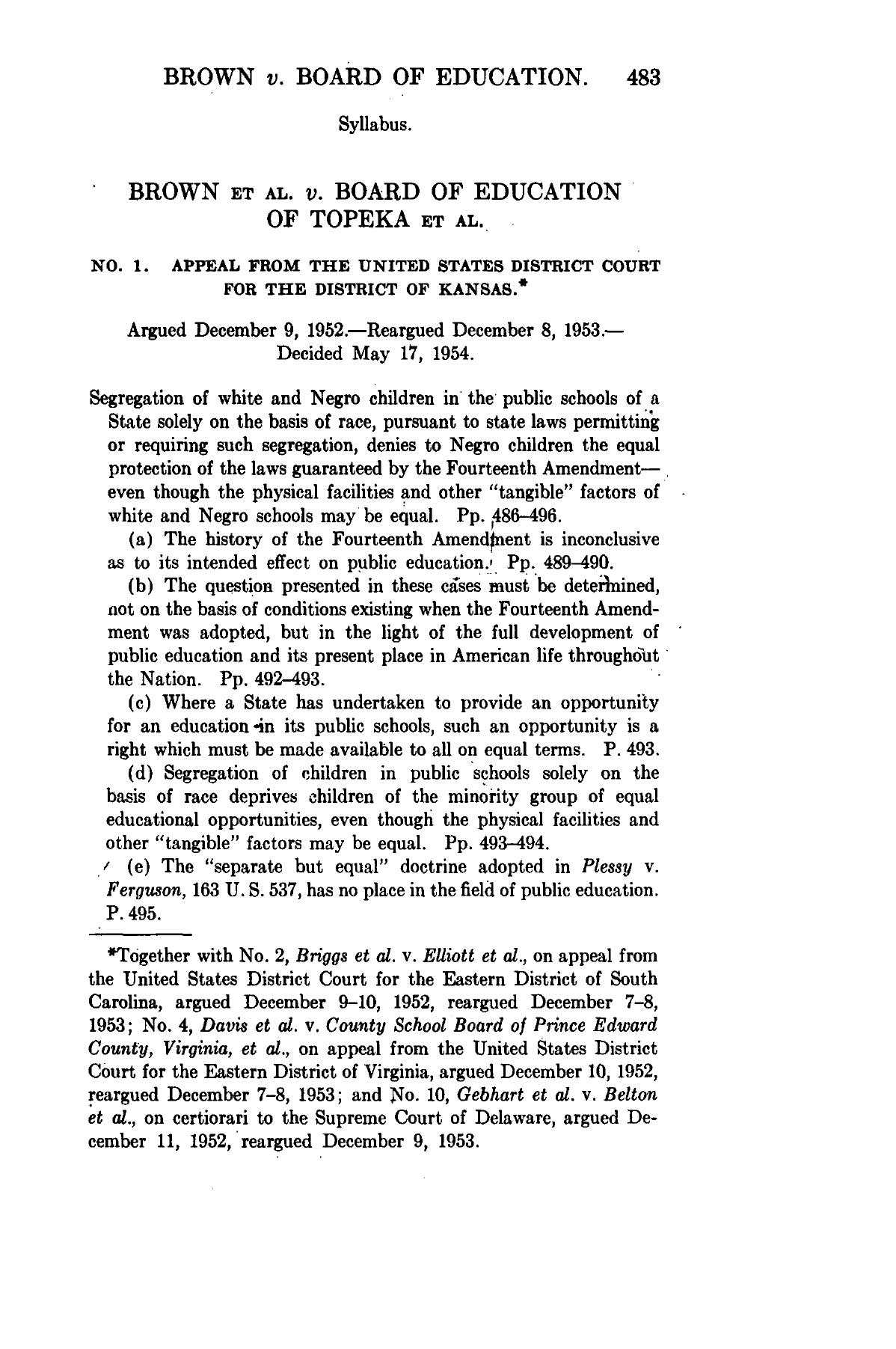
By 1960, Chicago's Black population had reached over 800,000. The Great Migration's second wave had filled the Black Belt and its successor neighborhoods, while restrictive covenants, redlining, violence, and school boundary lines held Black families inside them. In Black neighborhoods, schools were overcrowded even though new buildings had been built for Black students; some schools ran double shifts, cutting the school day in half. A 1962 U.S. Civil Rights Commission report called Chicago's public schools "an example of rank de facto segregation in the northern metropolises" and found roughly 90 percent of Black elementary students attended schools that were more than 90 percent Black. Brown v. Board of Education had made segregated schooling unconstitutional in 1954. Chicago's answer was to call its segregation a neighborhood policy, not a racial one.
03 — Willis and the neighborhood-schools defense
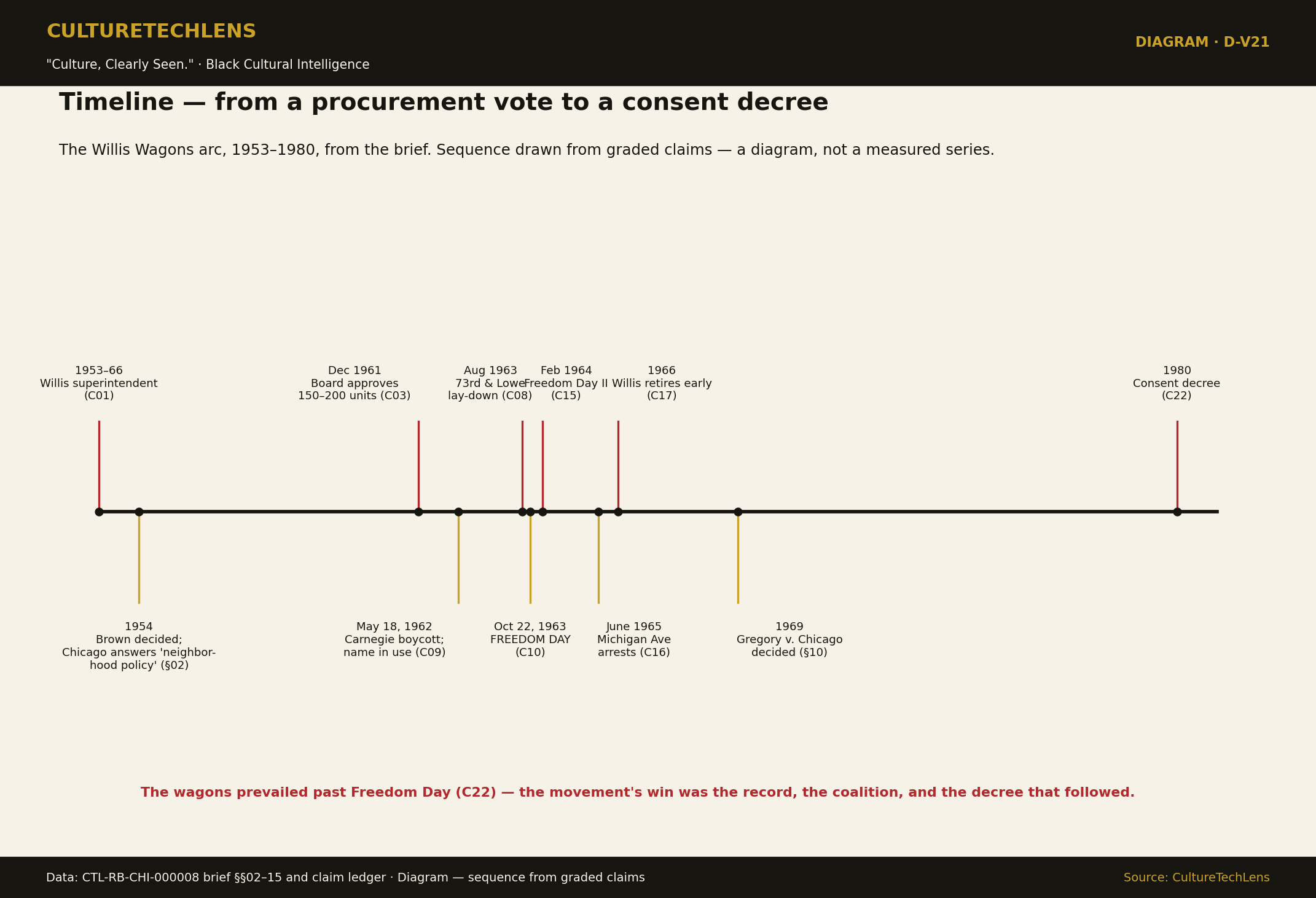
Benjamin C. Willis was superintendent of Chicago Public Schools from 1953 to 1966. His stated defense, and the Board of Education's, was the neighborhood school: children attend the school near their home, and the district maintained no record of race. In practice, Black parents, neighborhood organizations, and civil rights groups urged the board to permit Black children to attend white schools with empty seats, and Willis and the board resisted integration, refused to reconfigure boundaries, and held to the neighborhood policy. That refusal is the policy context every wagon has to be read inside: the trailer was never proposed for a white school's overflow in the record this brief found — it was the alternative to a Black child crossing into a white school.
04 — December 1961: the plan
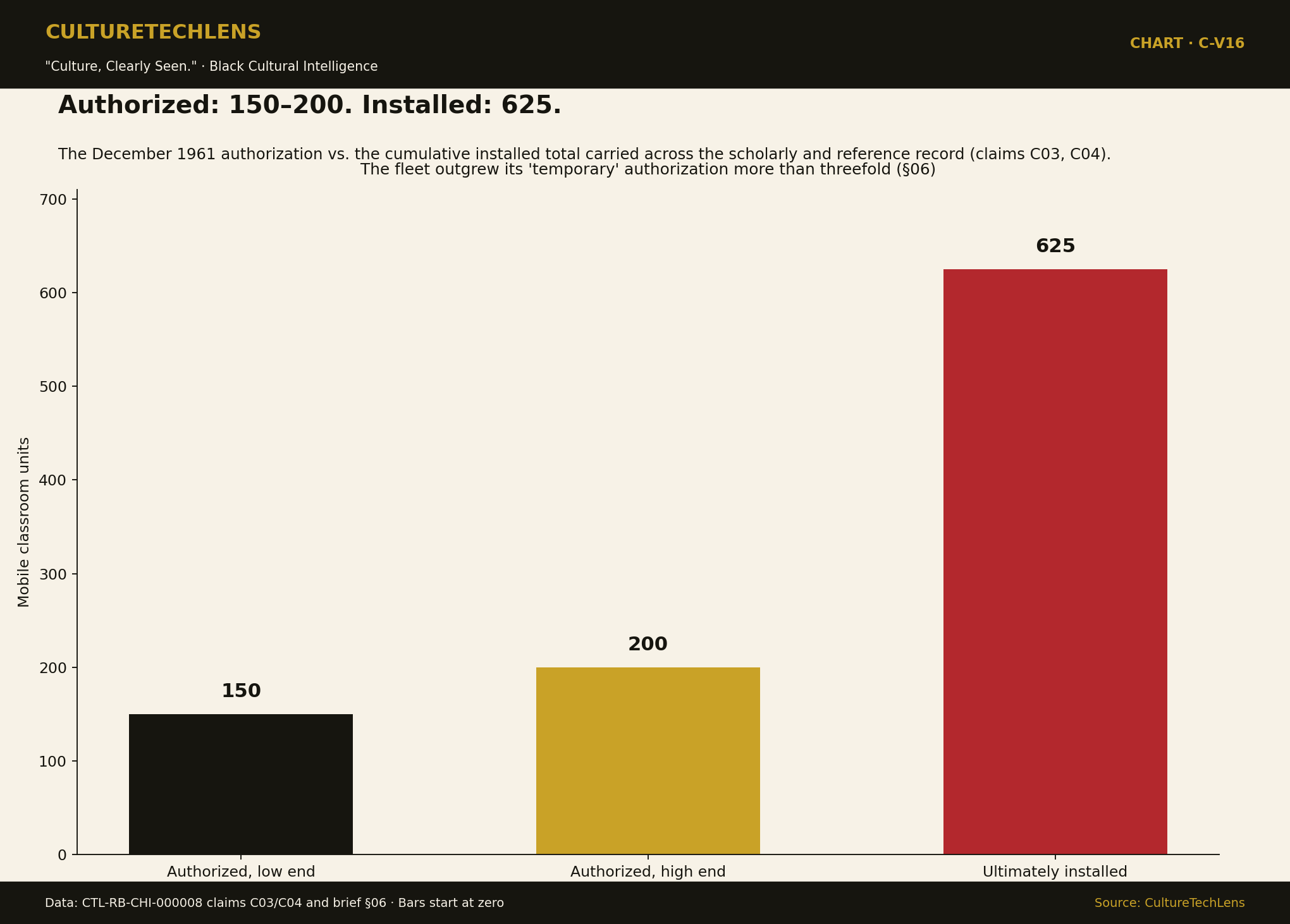
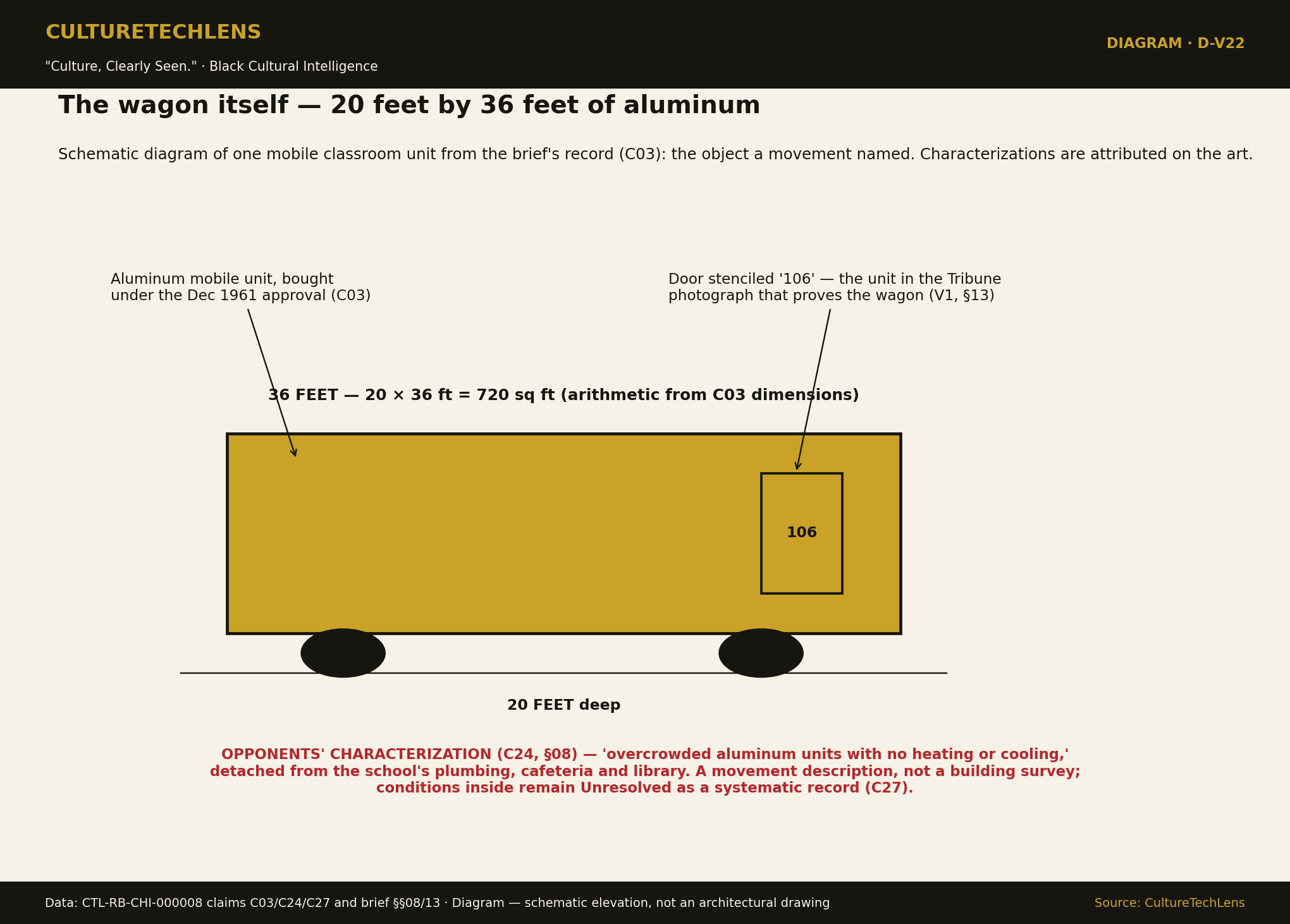
In December 1961, the Board of Education approved Willis's plan to buy 150 to 200 aluminum mobile school units and install them at existing schools and in vacant lots. The units were 20 by 36 feet. The board presented them as a temporary answer to overcrowding. Critics read the geography instead of the press release: the wagons would sit where Black children already were, so no boundary, no transfer, and no integration would ever be required.
05 — A name that did political work
Englewood parent and organizer Rosie Simpson coined the term "Willis Wagons." The name mattered. "Mobile classroom unit" is bureaucracy; "Willis Wagon" attaches the object to the man, and the man to the policy. It turned an anonymous procurement decision into a personal, repeatable charge that fit on a picket sign: WILLIS MUST GO. NO WILLIS WAGONS. CTL records the coinage as Simpson's on the agreement of multiple independent secondary accounts; a contemporaneous primary document for the coinage itself was not located in this pass and the claim is graded Supported, not Verified (claim C05).
06 — How many wagons?
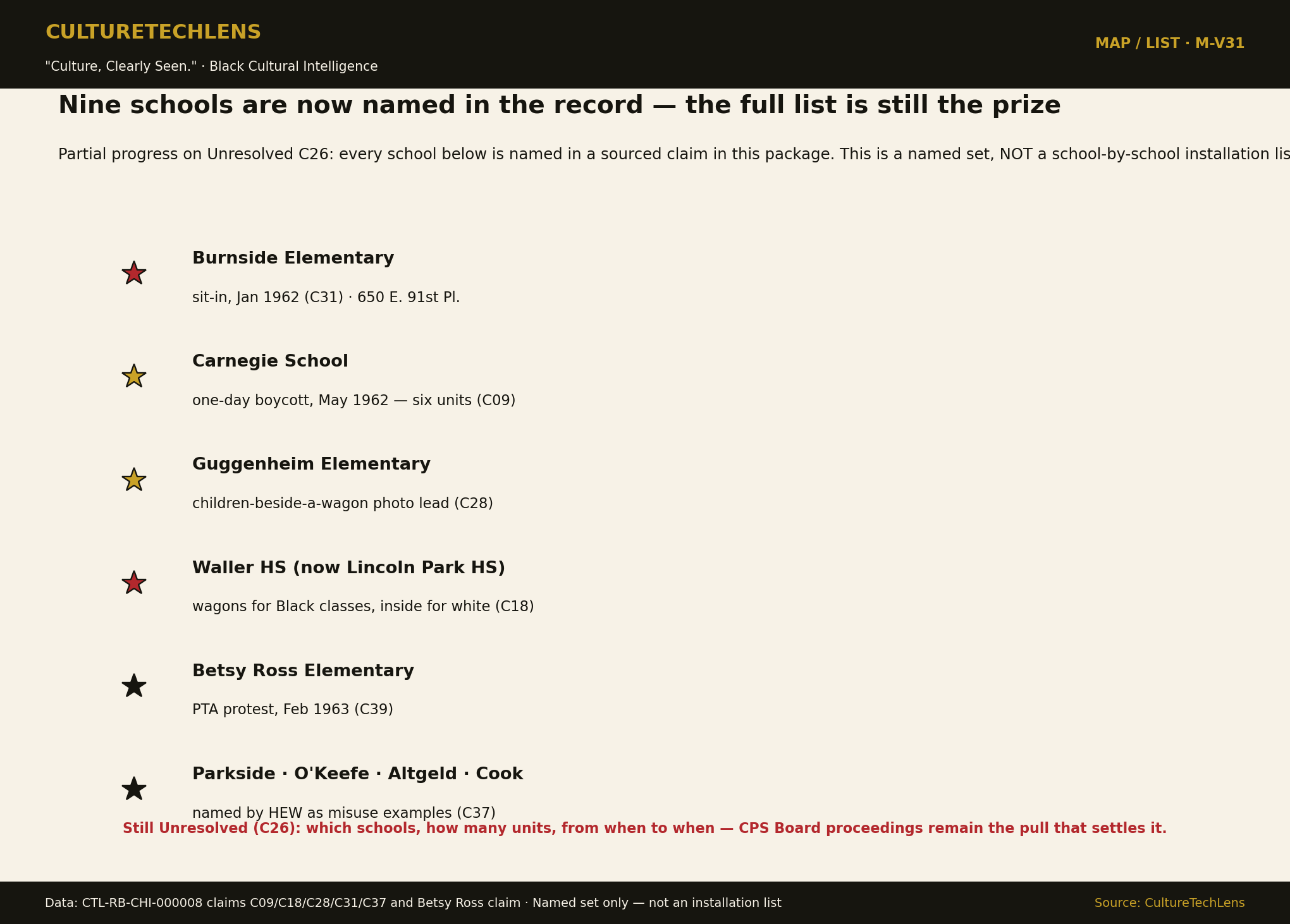
The figure carried across the scholarly and reference record is 625 mobile classroom units. That total — not the 150–200 of the first authorization — is the number to cite, with its ledger named: it is the cumulative installed total reported by the Chicago Public Schools boycott reference record and repeated in the June 1965 protest record. What this brief could not establish is a school-by-school installation list with dates. That list — which schools, how many units, from when to when — is the single most valuable archival document this subject still lacks (see §19, Unresolved).
07 — Segregation inside one school
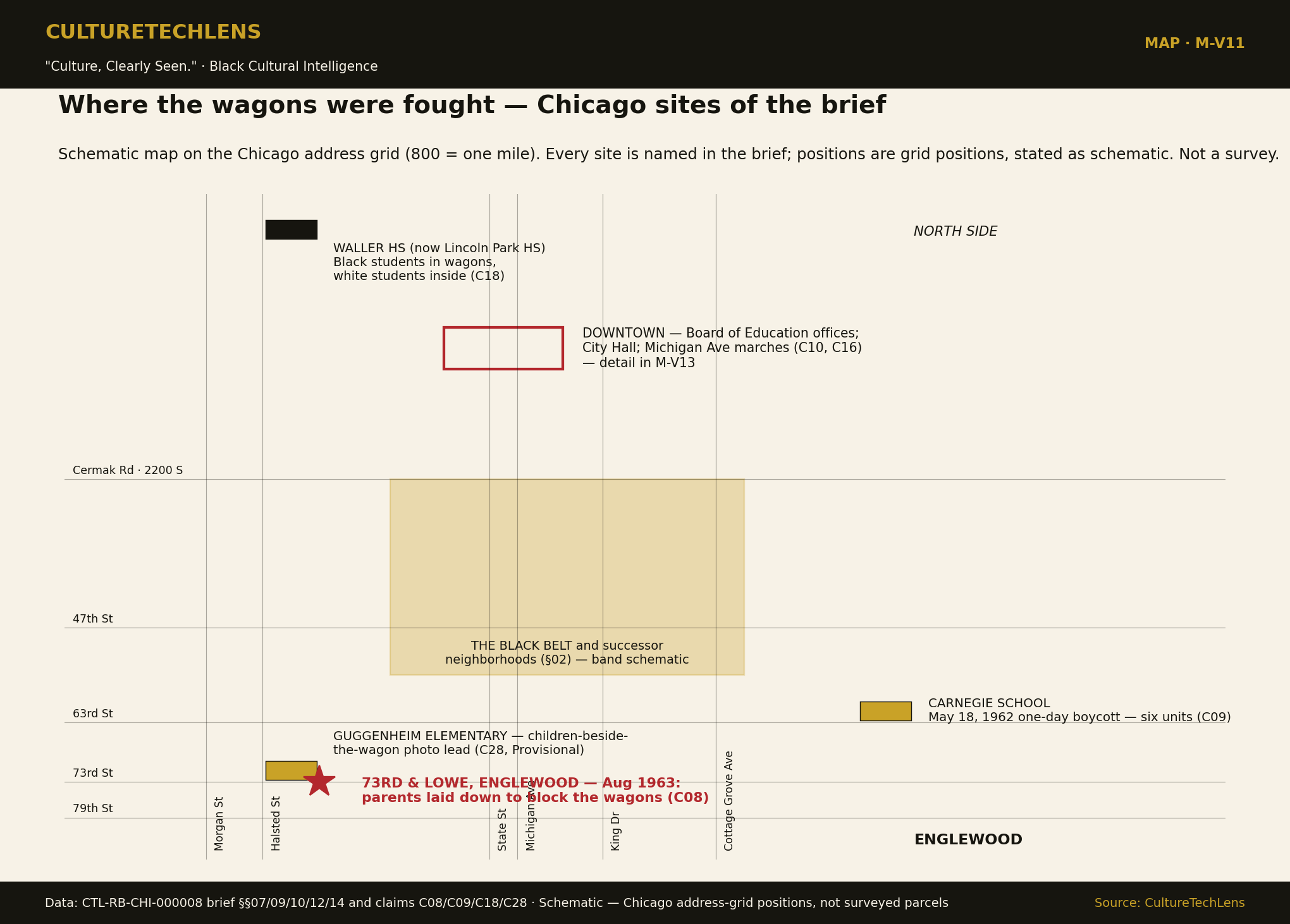
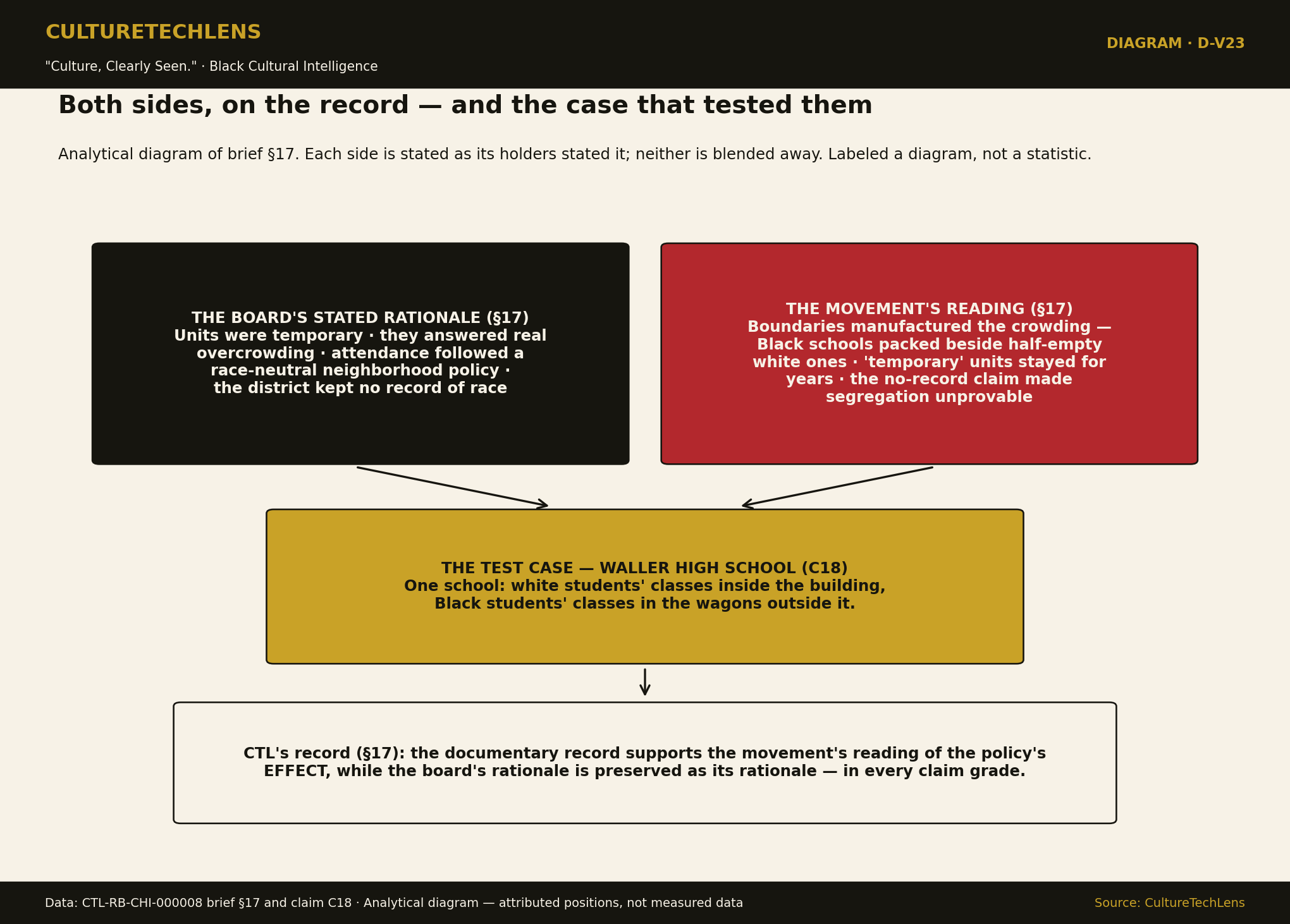
At Waller High School (now Lincoln Park High School), the wagons were used to maintain segregation within a single school: white students' classes met inside the building, Black students' classes met in the trailers. This is the case that strips the "overcrowding" defense bare. A school that has room inside for one race and a trailer outside for the other is not solving crowding. It is sorting children, visibly, in the schoolyard — which is exactly why the wagon, and not an abstract boundary line, became the movement's symbol.
08 — What a wagon was like — and what we do not know
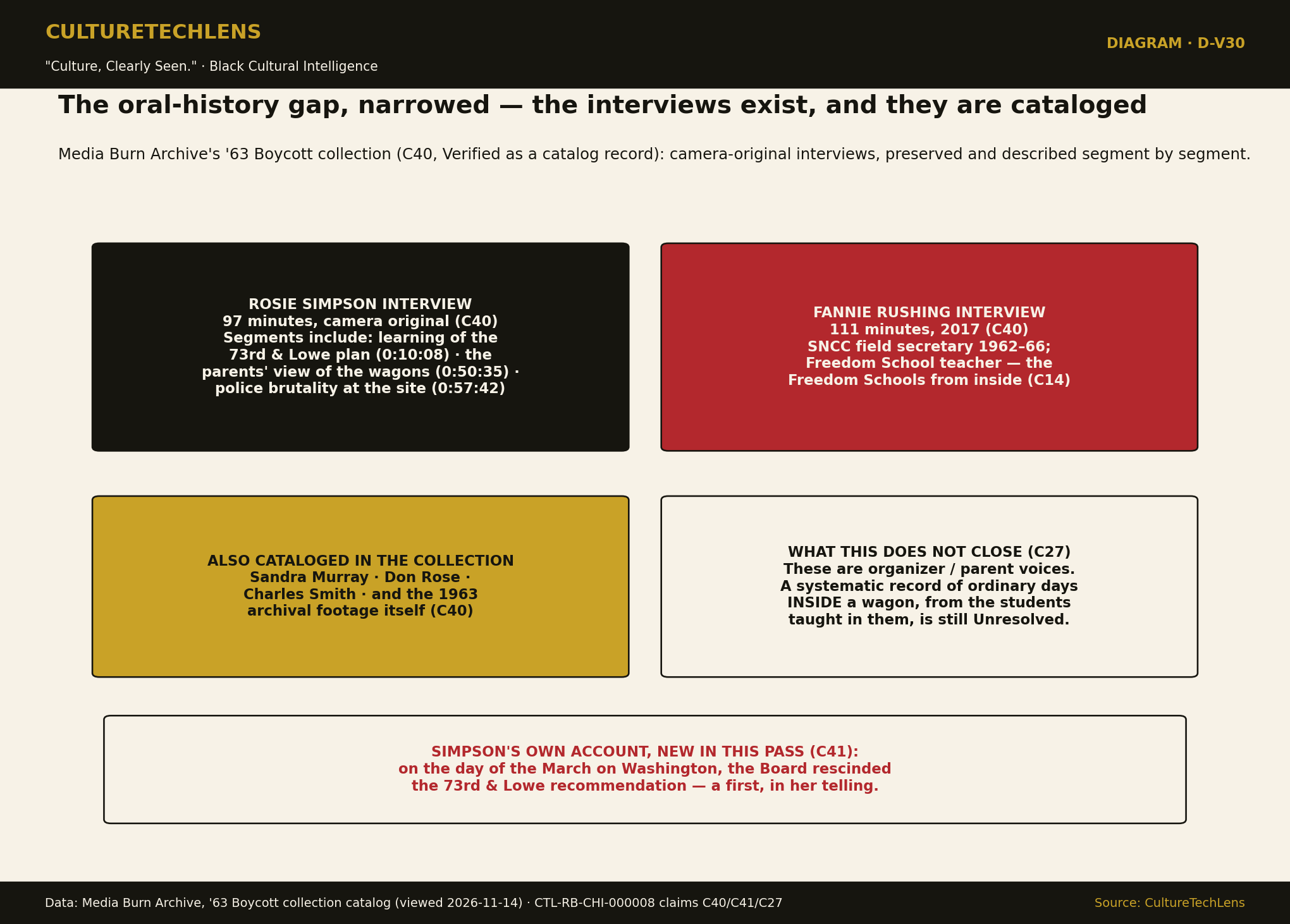
Opponents described the wagons as overcrowded aluminum units with no heating or cooling, set between an alley and railroad tracks in the most contested plan, reached across playgrounds and parking lots, and detached from the school's plumbing, cafeteria, and library. Those descriptions come from the movement side and are graded as their characterization, not as a measured building survey. No systematic first-person record of ordinary days inside a wagon — temperature, noise, class size, how long a child's whole schooling could be spent in one — was located in this pass. Former wagon students' testimony exists in scattered interviews and later recollections (including Chicagoans who told later school-board hearings, in so many words, "I was in a Willis Wagon"), but a collected oral-history record is a gap, and CTL names it rather than filling it with atmosphere.
09 — The first fights: Carnegie, 1962
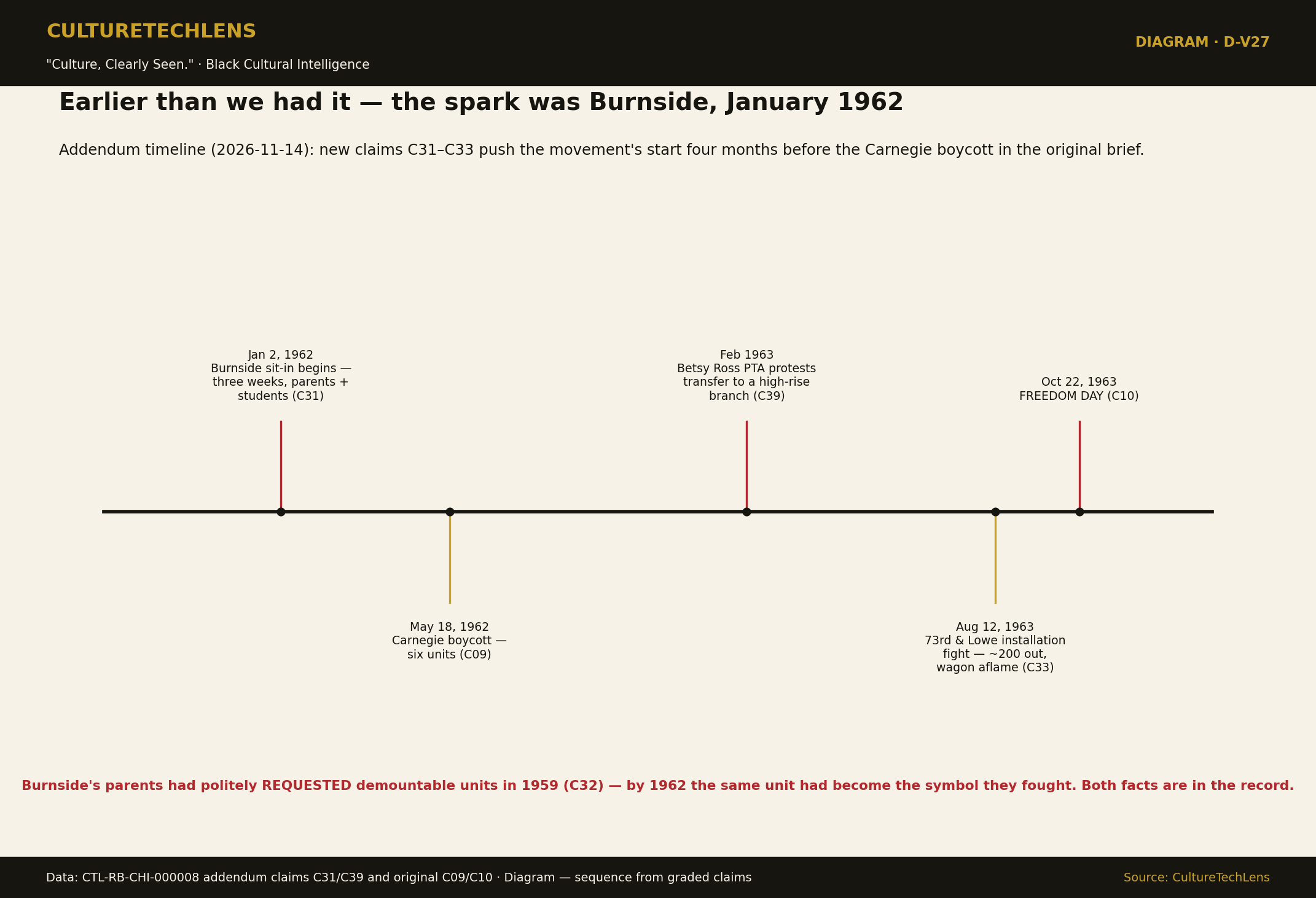
The "Willis Wagons" label was in organized use by May 18, 1962, when a one-day boycott of Carnegie School protested the arrival of six portable units meant to house students until a new building opened. The Carnegie fight is important because it shows the pattern early: even where a new building was promised, parents read the trailer as the district's first instinct for Black children — and organized against the instinct, not only the unit.
10 — Summer 1963: 73rd and Lowe
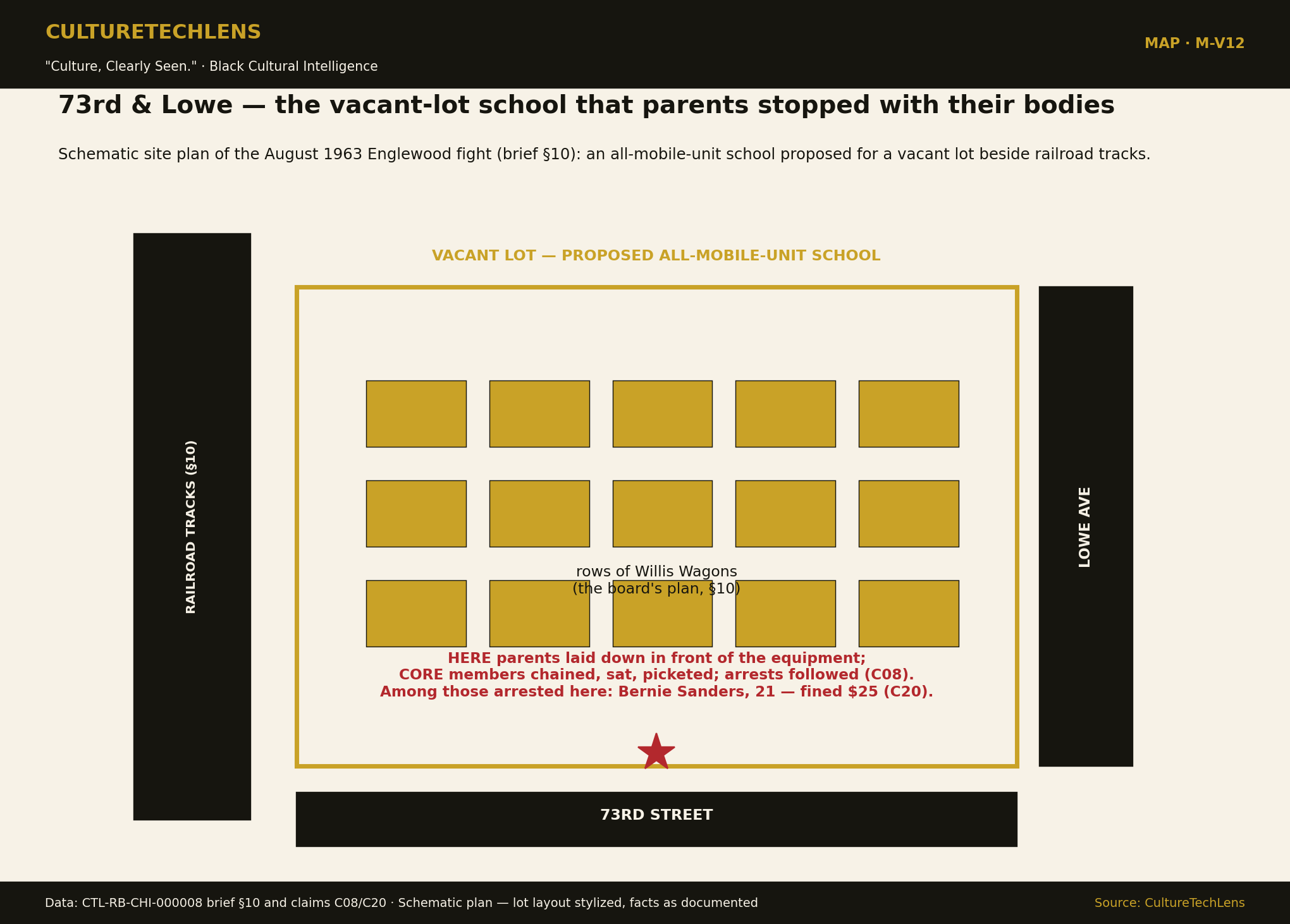
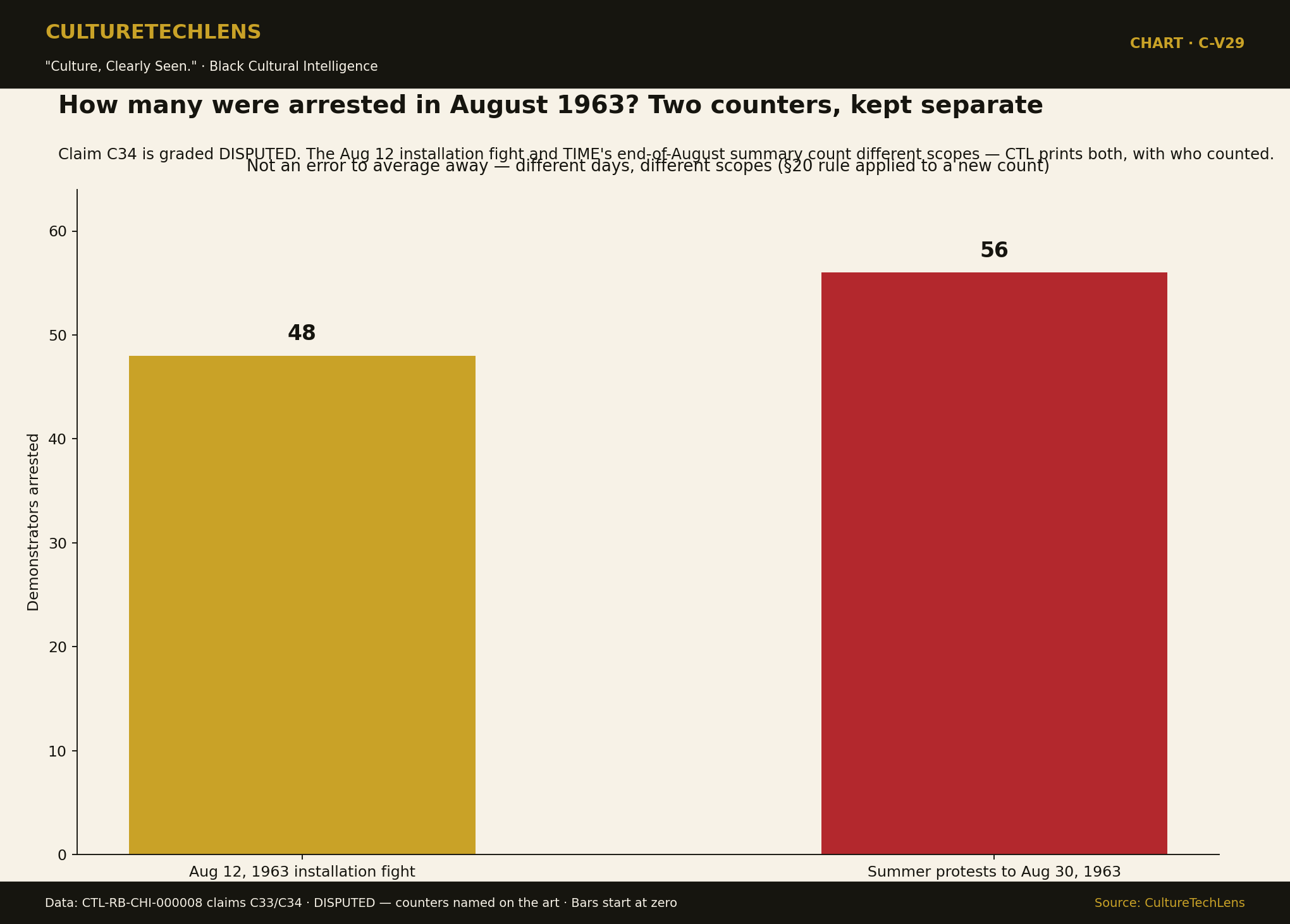
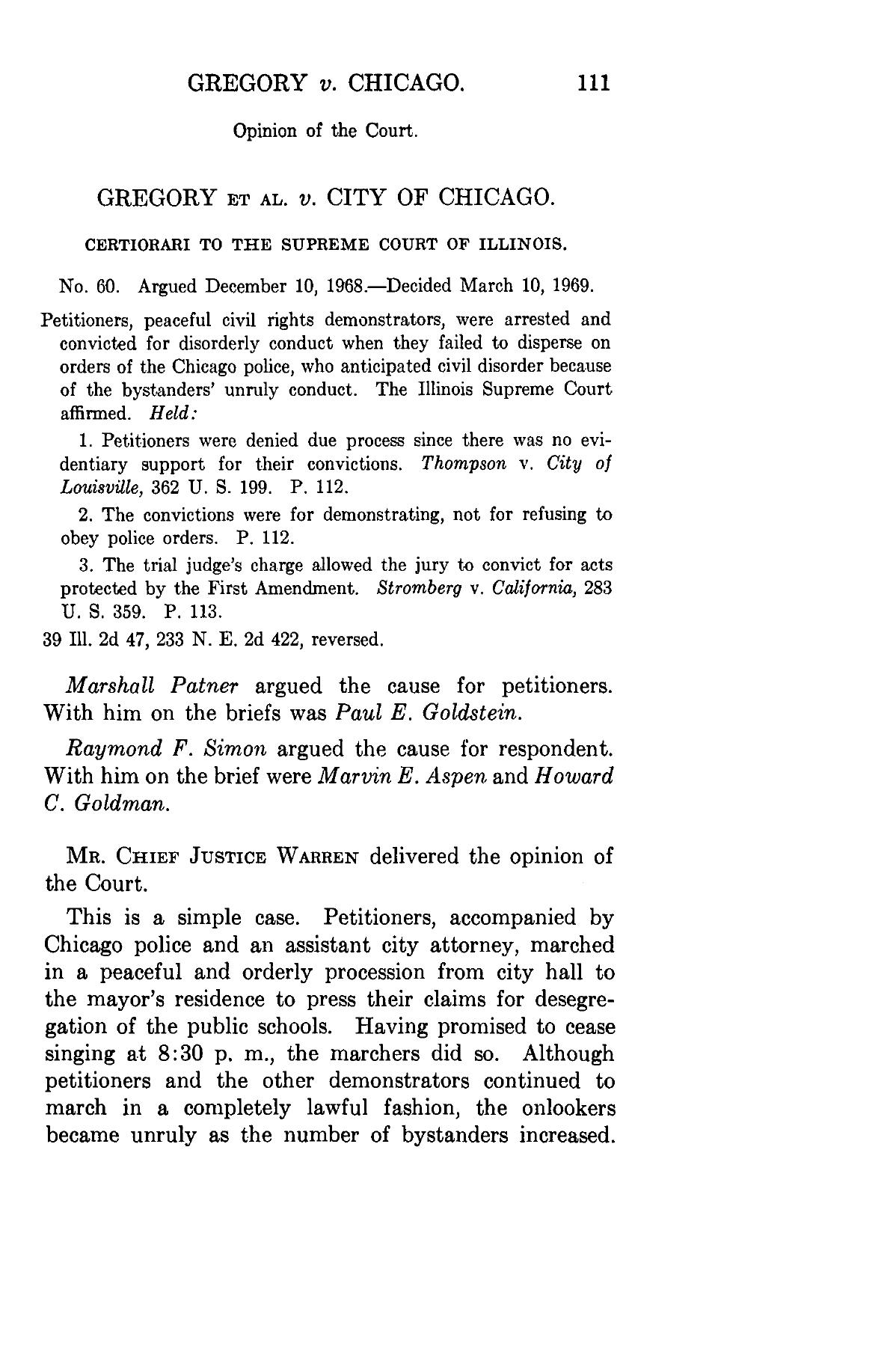
The movement's street battle came in August 1963 in Englewood, at 73rd Street and Lowe Avenue, where the board proposed an all-mobile-unit school on a vacant lot beside railroad tracks rather than move Black children to nearby white schools. Rosie Simpson and other parents laid down in front of the equipment — in some accounts in the dirt, overnight, and in the rain — to prevent the site from being prepared. Members of the Congress of Racial Equality (CORE) laid down in front of bulldozers, sat on scaffolds, chained themselves, and picketed. Demonstrators were arrested at the site over weeks of protest; among them was a 21-year-old University of Chicago CORE leader named Bernie Sanders, arrested, convicted of resisting arrest, and fined $25. Comedian and activist Dick Gregory was also arrested in the wagon protests of this period, and his later case, Gregory v. City of Chicago (1969), grew out of a 1965 march demanding Willis's removal. Some wagons were burned by protesters. Both sides of that record belong in the record: a nonviolent movement in the main, and a community angry enough that some of its members destroyed the trailers themselves.
11 — Building Freedom Day
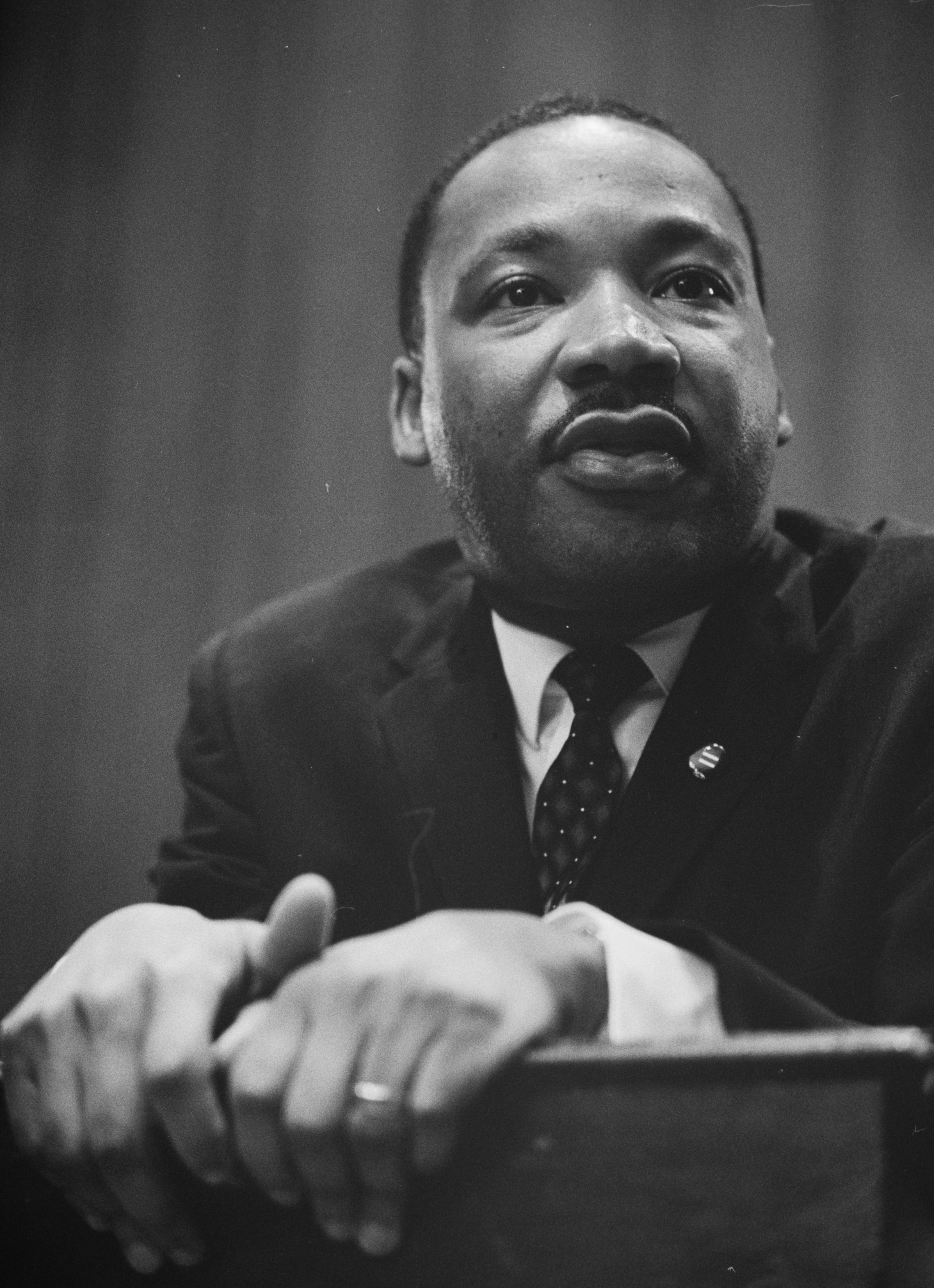
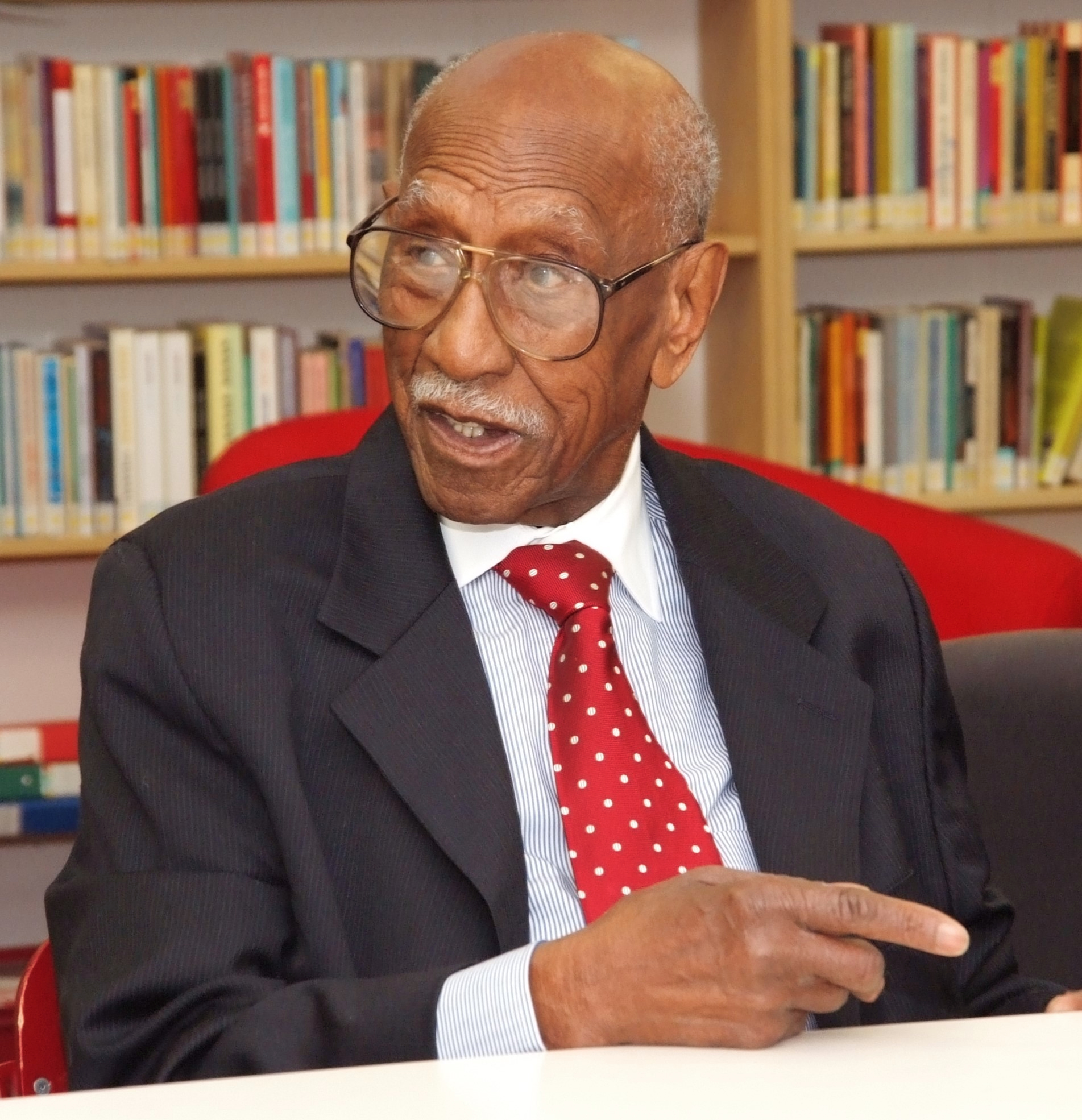
The wagon fights taught Chicago's movement its lesson: a lot-by-lot defense could be outlasted by a board that owned hundreds of lots. The Coordinating Council of Community Organizations (CCCO) — the coalition that would later host Dr. King's Chicago campaign — took the lead, with organizers including Al Raby and veterans like Timuel Black. Martin Luther King Jr., fresh from the March on Washington, met with organizers and encouraged the protest. The CCCO issued thirteen demands, beginning with the removal of Willis and a nationwide search for a new superintendent, the adoption of a basic policy of integration, and an immediate public inventory of school population by race, school by school — a demand aimed directly at the district's claim to keep "no record of race."
12 — Freedom Day: October 22, 1963
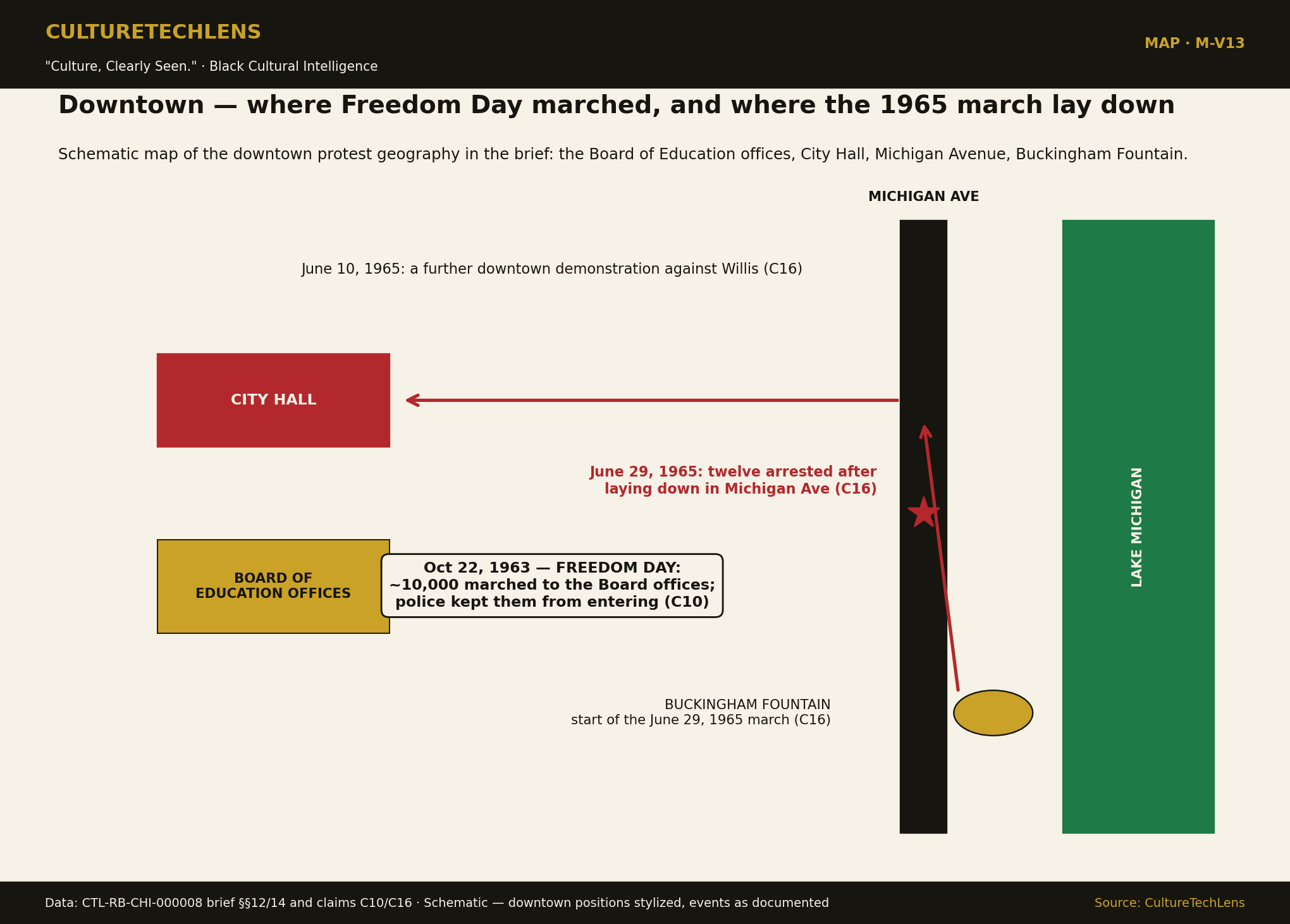
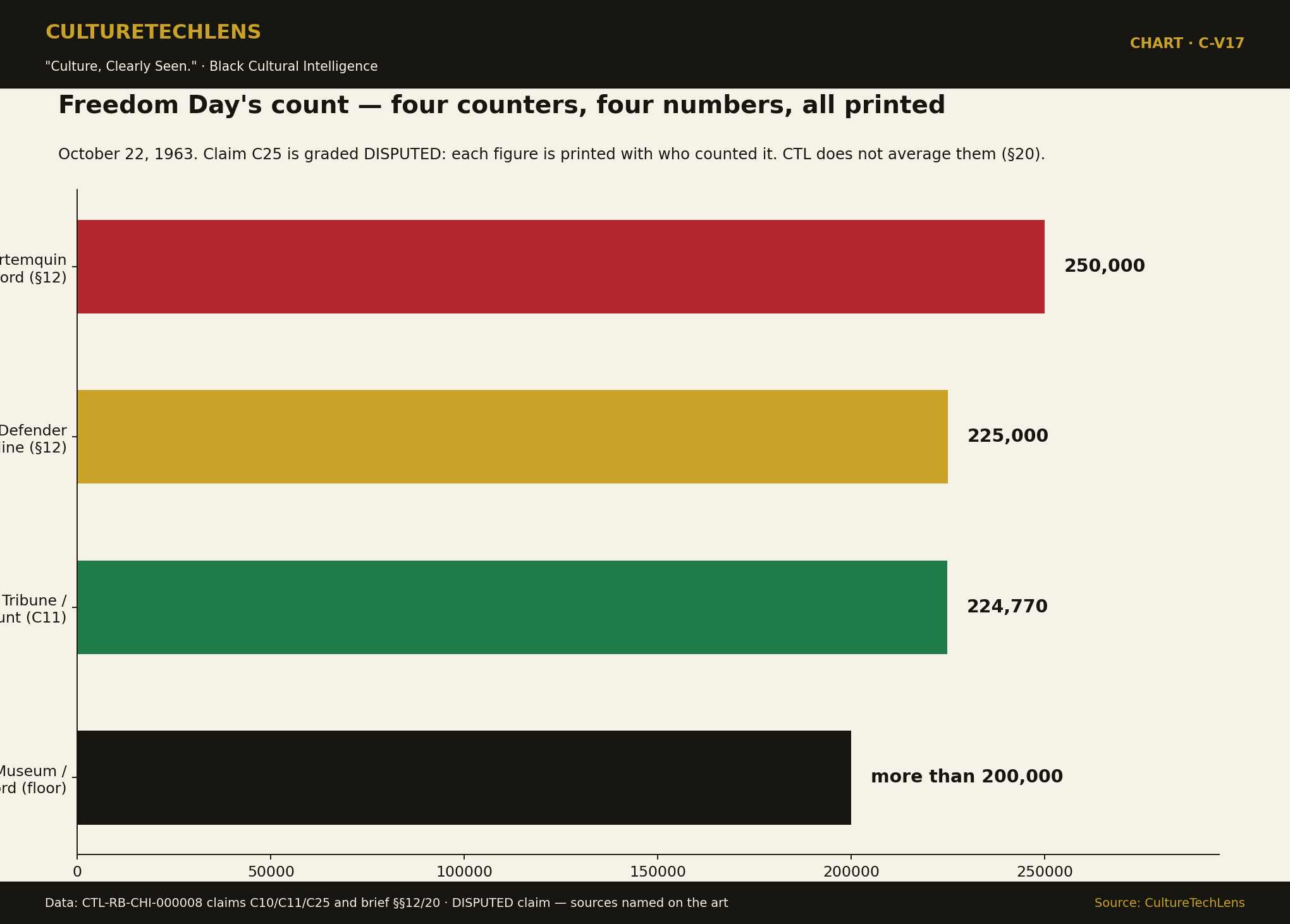
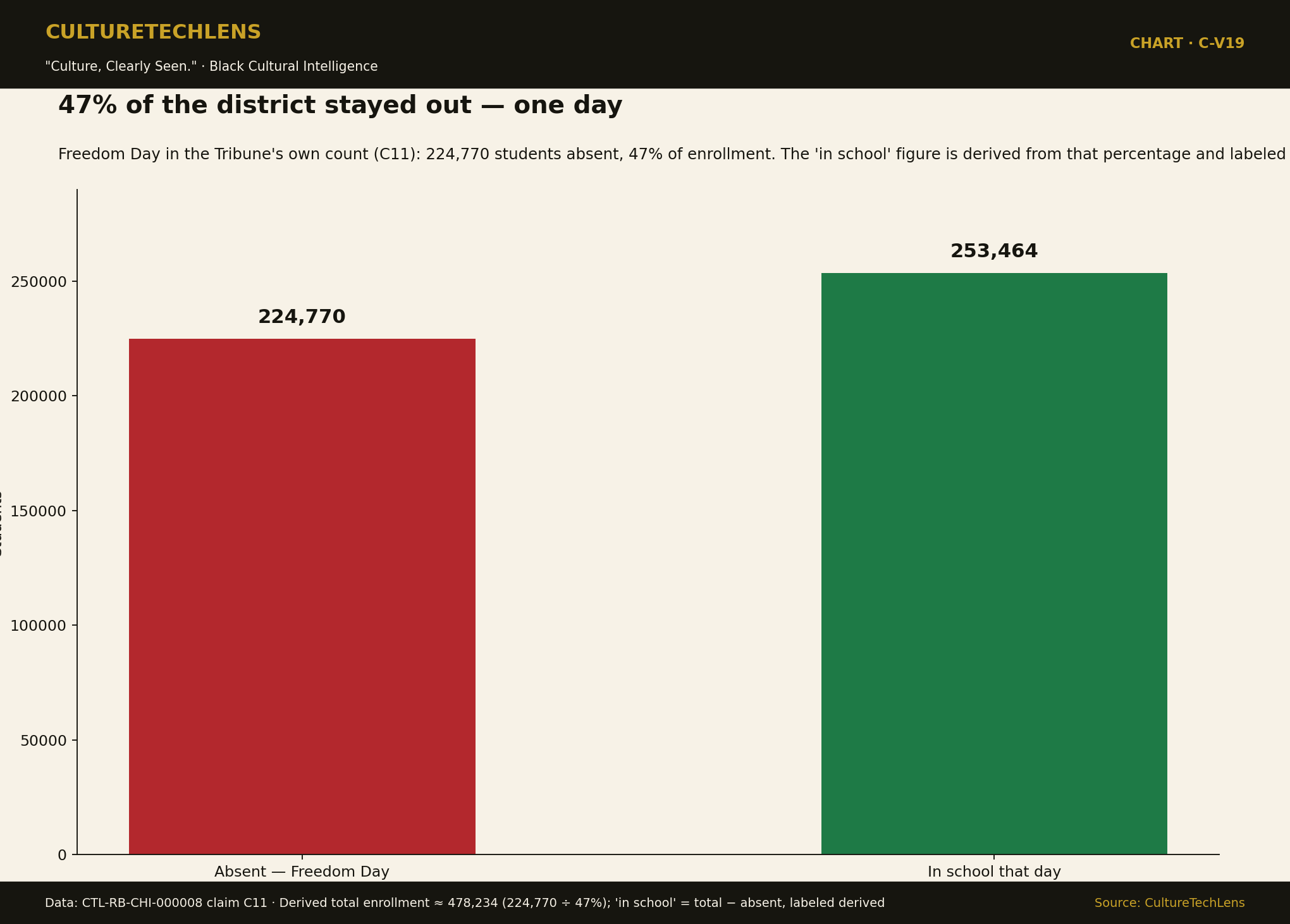
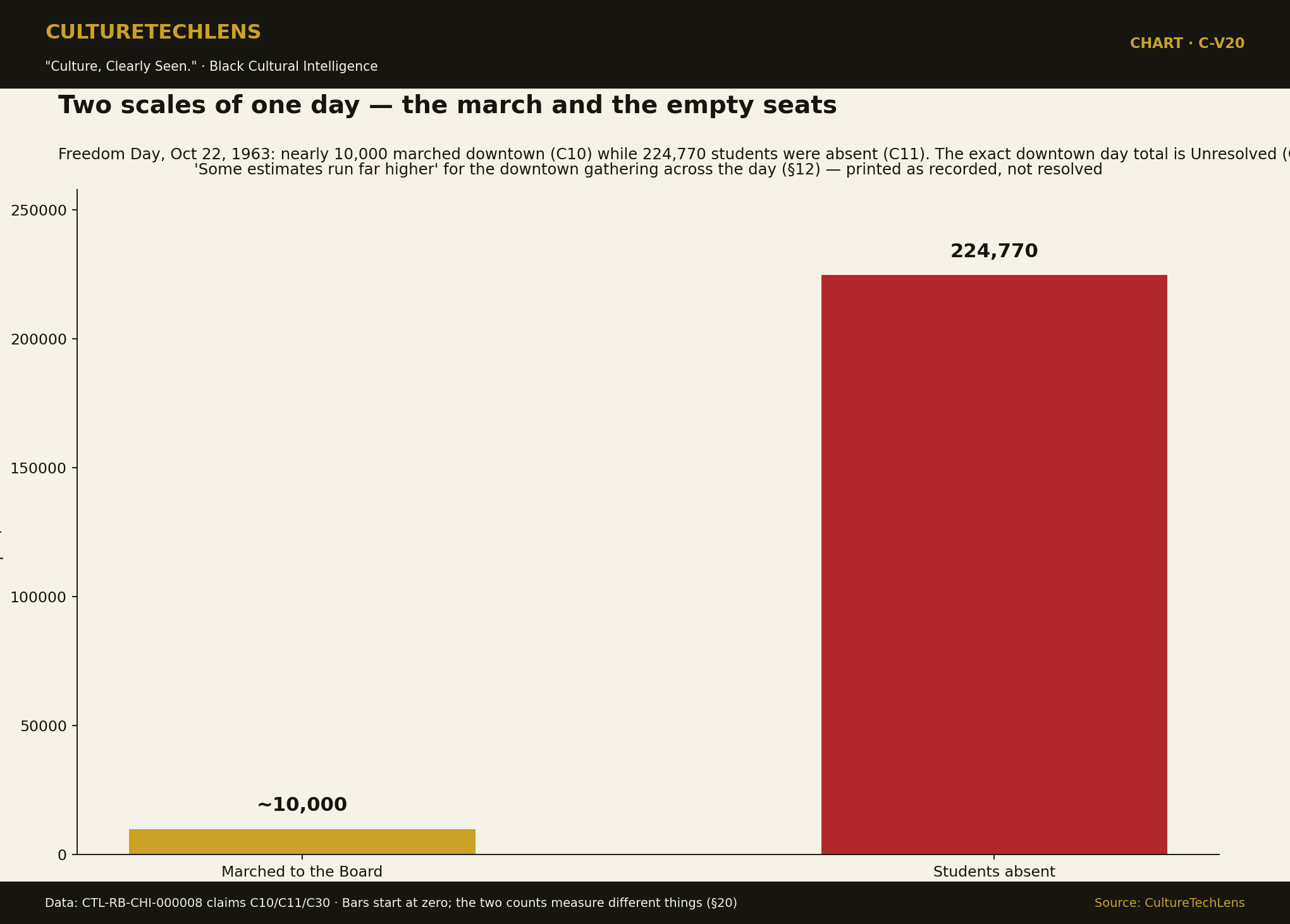
On October 22, 1963, Chicago staged Freedom Day. The count is disputed in the way honest counts are: the Chicago History Museum and the movement's reference record say more than 200,000 students — almost half of CPS — stayed out; the Chicago Tribune reported 224,770 students absent, 47 percent of enrollment; the Chicago Defender headline celebrated 225,000; Kartemquin's film record and many later accounts say 250,000. CTL prints the range and names the counters rather than picking the largest number. Some students attended Freedom Schools — alternative classes organized for the day. Nearly 10,000 protesters (some estimates run far higher for the downtown gathering across the day) marched to the Board of Education offices downtown, carrying signs against Willis and the wagons, and police prevented them from entering the building. It was, at the time, the largest Northern anti-segregation demonstration.
13 — The photograph that proves the wagon
This brief's lead visual (V1, visuals.md) is the hunt this update completed: a Chicago Tribune photograph, preserved in the Mikva Challenge / Kartemquin '63 Boycott curriculum, showing a white Willis Wagon — unit number 106 stenciled by its door — parked beside a brick school building while parents picket with signs on the sidewalk and children walk past it. It is an ordinary street scene, and that is its force. Segregation in Chicago did not always look like a mob or a statute. Sometimes it looked like a trailer with a number on it, parked where a classroom should have been. Rights note, stated plainly: the photograph is a Tribune image reproduced in an educational curriculum. It is held in this package for research and review; publication requires its own CTL-PHOTO-001 rights record and clearance, like every third-party image in the corpus.
14 — Freedom Day II and the long protest, 1964–1965
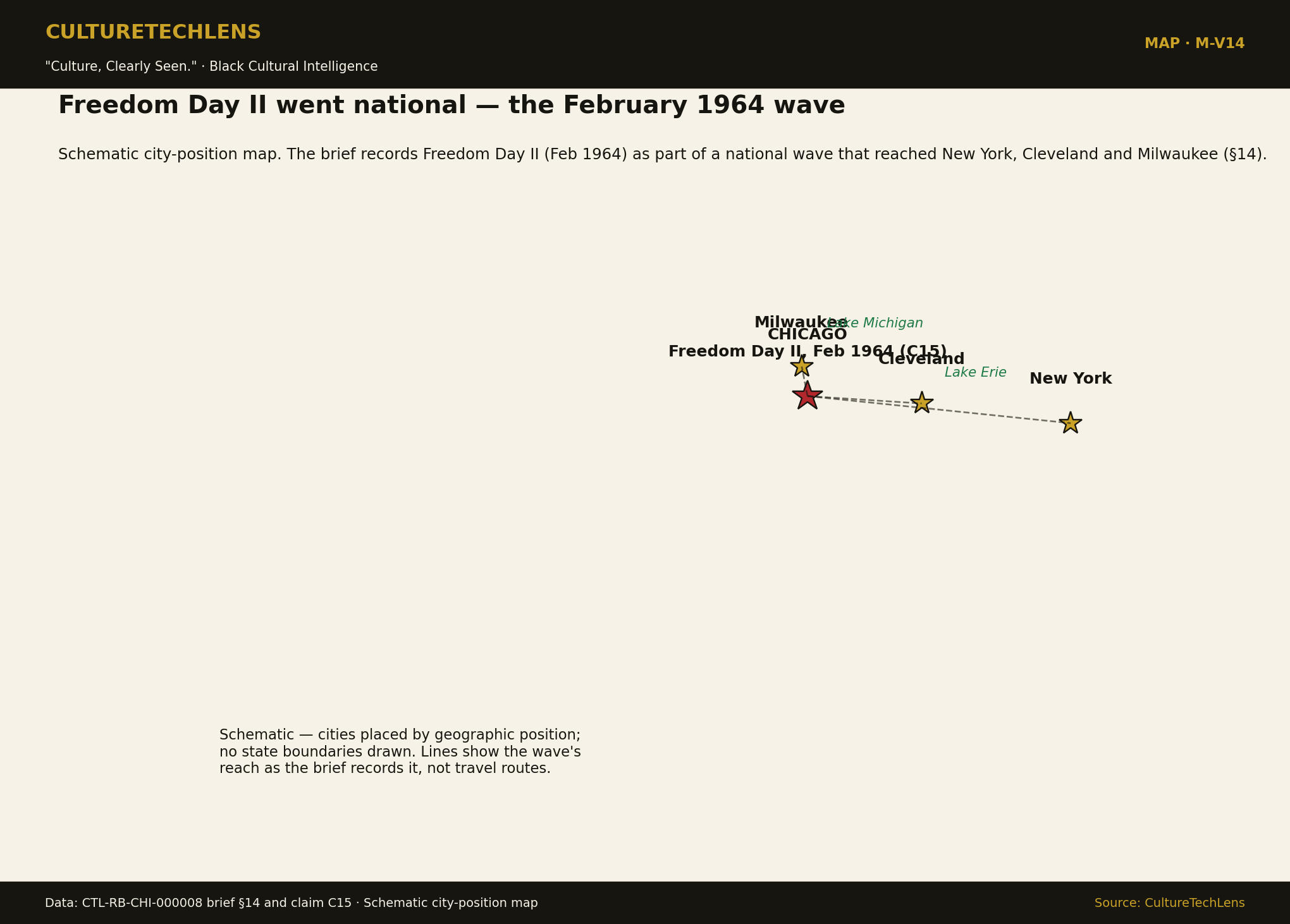
Freedom Day did not remove Willis — his tendered resignation was rejected by the board — and it did not end the wagons. Negotiations collapsed, and the CCCO staged a second massive boycott, Freedom Day II, in February 1964, part of a national wave that reached New York, Cleveland, and Milwaukee that spring. Protests continued through 1965: a June 10, 1965 demonstration against Willis photographed mid-march, and on June 29, 1965, twelve demonstrators arrested after laying down in Michigan Avenue during a march from Buckingham Fountain to City Hall. The demand never changed, because the superintendent never changed: Willis must go.
15 — 1966 and after: what the movement won
Willis retired in 1966, four months before his term ended. His successor James Redmond's integration attempts were hampered by board members and politicians protecting white opposition, and the failure of local initiatives led to federal and state intervention and a 1980 consent decree with a court-mandated desegregation plan. So the honest verdict is double. On its stated immediate terms — remove Willis now, integrate now — the movement lost for years: use of the Willis Wagons prevailed past Freedom Day. On its historical terms, it built the mass base, the coalition, and the moral record that brought the Chicago Freedom Movement of 1966, forced CPS to release a racial headcount of its schools, and made Northern de facto segregation a national subject two months after the March on Washington had framed segregation as Southern.
16 — Why a trailer became a symbol
A boundary line is invisible. A test score can be argued. A trailer is a thing a child can point to, a parent can lie down in front of, a photographer can frame in one shot next to a real school building, and a movement can name after the man who ordered it. The Willis Wagon worked as a symbol because it was literally true: Chicago chose to buy a fleet of temporary rooms rather than open permanent seats to Black children. That is why this history is not a footnote to the Southern movement. It is the clearest physical evidence of how a Northern city, with no segregation statute on its books, built segregation anyway — out of aluminum, 20 feet by 36 feet at a time.
17 — Both sides, on the record
CTL's rule for contested history is to document both sides, each attributed, neither blended away. The board's side: the units were temporary, they answered real overcrowding, attendance followed a race-neutral neighborhood policy, and the district kept no record of race. The movement's side: overcrowding itself was manufactured by boundaries that kept Black schools packed beside half-empty white ones, "temporary" units stayed for years, the no-record claim was a device to make segregation unprovable, and at Waller the device failed its own test — inside for white children, outside for Black ones. The documentary record assembled here supports the movement's reading of the policy's effect while preserving the board's stated rationale as its rationale — a distinction this brief maintains in every claim grade below.
18 — What is verified, and what is not
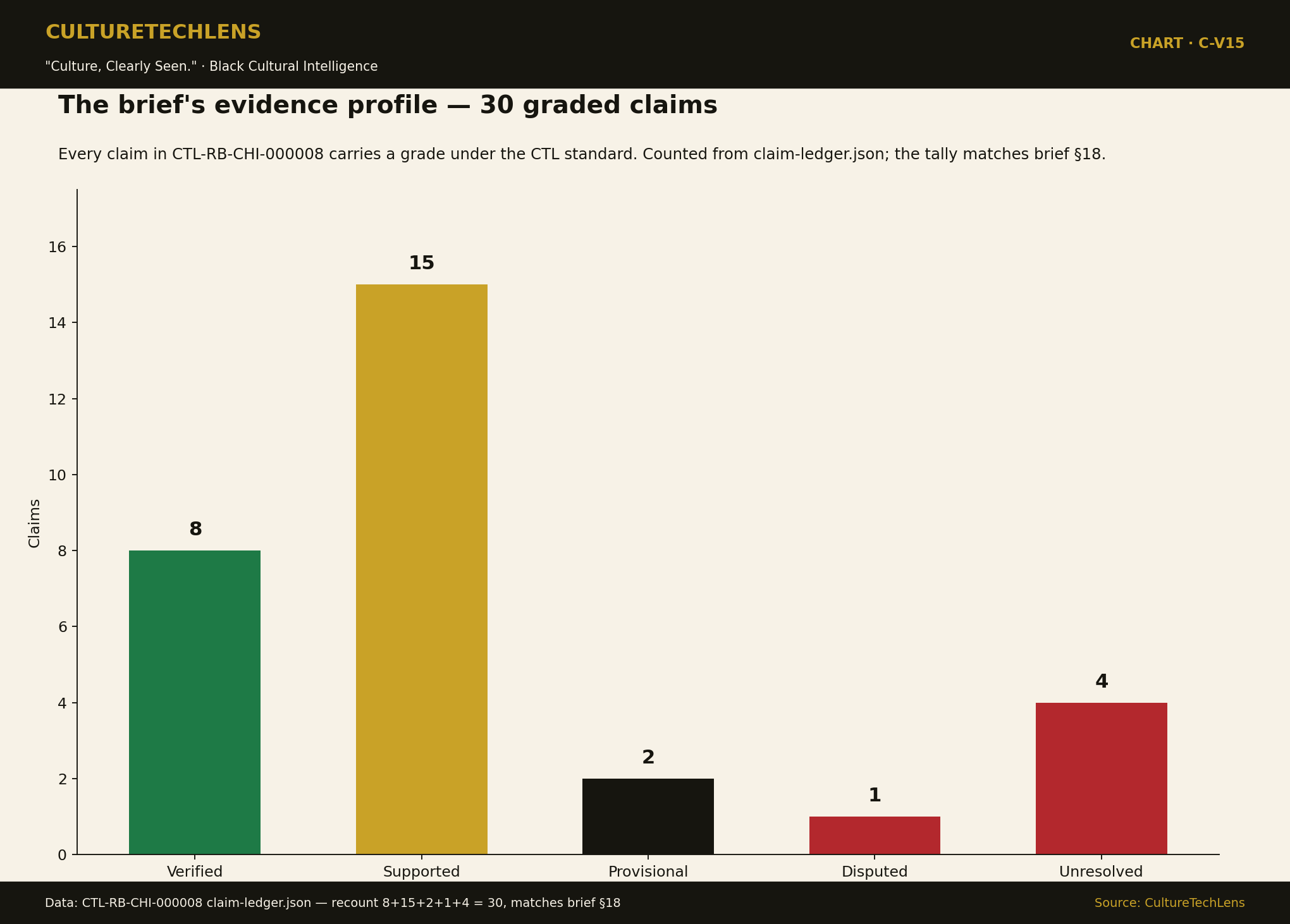
Of this brief's 30 graded claims (claim-ledger.json): 8 Verified, 15 Supported, 2 Provisional, 1 Disputed, 4 Unresolved. Addendum 2026-11-14: the ledger now carries 43 graded claims — 9 Verified, 25 Supported, 2 Provisional, 3 Disputed, 4 Unresolved — after the 'add more' pass (claims C31–C43, brief-addendum-2026-11-14.md). The v0.1 tally above stands as the v0.1 record. The skeleton — the 1961 approval, the 625 total, the neighborhood-policy refusal, Freedom Day and its scale, Willis's 1966 exit, the 1980 decree — is solidly documented by museum, encyclopedia, and contemporaneous-press records. The texture — Simpson's coinage, the 73rd and Lowe details, Sanders's arrest, Waller — rests on converging secondary accounts and is graded accordingly. CTL does not upgrade a good story to Verified on repetition alone.
19 — What is uncertain (Unresolved, named)
- A school-by-school wagon installation list (school, unit count, install/removal dates) — not located; the archival pull that would settle it is CPS Board proceedings and facilities records.
- A systematic record of conditions inside the wagons from the students taught in them — scattered testimony only; an oral-history collection task, not a web search.
- A contemporaneous primary document for Simpson's coinage of "Willis Wagons" — the attribution is consistent across secondary sources; the primary moment is unlocated.
- The photograph of children beside the mobile classroom at Guggenheim Elementary School, captioned in one web account as sourced from '63 Boycott — referenced but not retrieved in verified form in this pass; it is recorded as a lead, not used as a visual.
20 — The count dispute, kept visible
Freedom Day's attendance is this brief's Disputed claim (C25). Board/Tribune counting (224,770 absent, an administrative count of empty seats) and movement/film counting (250,000 boycotting, an organizing count of participants) measure different things and both survive in the record. CTL's practice — here and everywhere — is to print both, name who counted, and never average them into a false precision.
21 — Knowledge-graph connections (staged, not merged)
Staged entities and relationships are listed in entities.json and relationships.json in this package. They are PROPOSED under GOV-006: nothing in this package merges into the canonical graph. Verified-grade relationships include: Willis → superintendent of → Chicago Public Schools; Chicago Board of Education → approved (Dec 1961) → mobile classroom program; CCCO → organized → Freedom Day (Oct 22, 1963); Rosie Simpson → organized at → 73rd & Lowe protest site; Kartemquin Films / Gordon Quinn → documented → Freedom Day. Simpson's coinage edge and the Guggenheim photograph edge are staged at their lower grades and are not graph-eligible at Verified level.
22 — Further research
- CPS Board of Education proceedings, 1961–1966, for the installation list and the district's own wagon counts (settles Unresolved 1).
- Vivian G. Harsh Research Collection (Chicago Public Library) and Chicago History Museum Research Center: the Chicago Collections 1963 Chicago Public Schools Boycott digital exhibition draws on both, plus UIC Special Collections (Chicago Urban League Records) — the three repositories for a PHOTO-001-grade wagon photograph set, including any inside-the-wagon Sun-Times frame referenced in the University of Illinois thesis literature.
- Media Burn Archive's '63 Boycott collection: dozens of hours of participant interviews, including Rosie Simpson's, for the oral-history gap (Unresolved 2).
- Elizabeth Todd-Breland, A Political Education: Black Politics and Education Reform in Chicago since the 1960s (2018), for the scholarly frame this brief's next version should be checked against in full text.
23 — Young Readers companion
A classroom on wheels that wasn't fair. In Chicago in the 1960s, Black children's schools were too crowded — some kids only got half a day of school. White schools nearby had empty seats. Instead of letting Black children use those seats, the school chief, Mr. Willis, parked trailer classrooms called wagons in the schoolyards. A mother named Rosie Simpson gave them their famous name: Willis Wagons. Parents lay down in the dirt so the wagons could not be put in. Then, on October 22, 1963, more than 200,000 students stayed home from school for one day to protest. It was called Freedom Day. The wagons did not leave right away, and Mr. Willis stayed until 1966 — but the children and parents showed the whole country that unfair schools were not only a Southern problem.
The record in pictures
Sources
Full source register: sources.md in this package. Principal sources: Chicago History Museum, "The 1963 Freedom Day School Boycott" (2020, updated 2026); Encyclopedia of Chicago, "Willis Wagons," Michael W. Homel (2005); Mikva Challenge / Kartemquin Films, '63 Boycott curriculum (2020), Station 4 (Chicago Tribune photograph of a mobile unit; Chicago Defender, "Urge Boycott of Willis Wagons"); Metropolitan Planning Council / Kartemquin, "From the '63 Boycott to #SaveOurSchools" (2018); Chicago Collections Consortium, The 1963 Chicago Public Schools Boycott digital exhibition (2020), ch. 8; HISTORY, "Why MLK Encouraged 225,000 Chicago Kids to Cut Class in 1963" (2018, updated 2025); Zinn Education Project, "Oct. 22, 1963: Chicago School Boycott."
Chicago: CultureTechLens. "The Willis Wagons: How a Trailer Became Chicago's Segregation Symbol." CTL-RB-CHI-000008, October 31, 2026. APA: CultureTechLens. (2026). The Willis Wagons: How a trailer became Chicago's segregation symbol (CTL-RB-CHI-000008). MLA: CultureTechLens. "The Willis Wagons: How a Trailer Became Chicago's Segregation Symbol." CultureTechLens, CTL-RB-CHI-000008, 31 Oct. 2026.
CULTURETECHLENS · "Culture, Clearly Seen." · Black Cultural Intelligence · Source: CultureTechLens