 CULTURETECHLENS
The Encyclopedia · CTL-ENC-000517
Eve L. Ewing
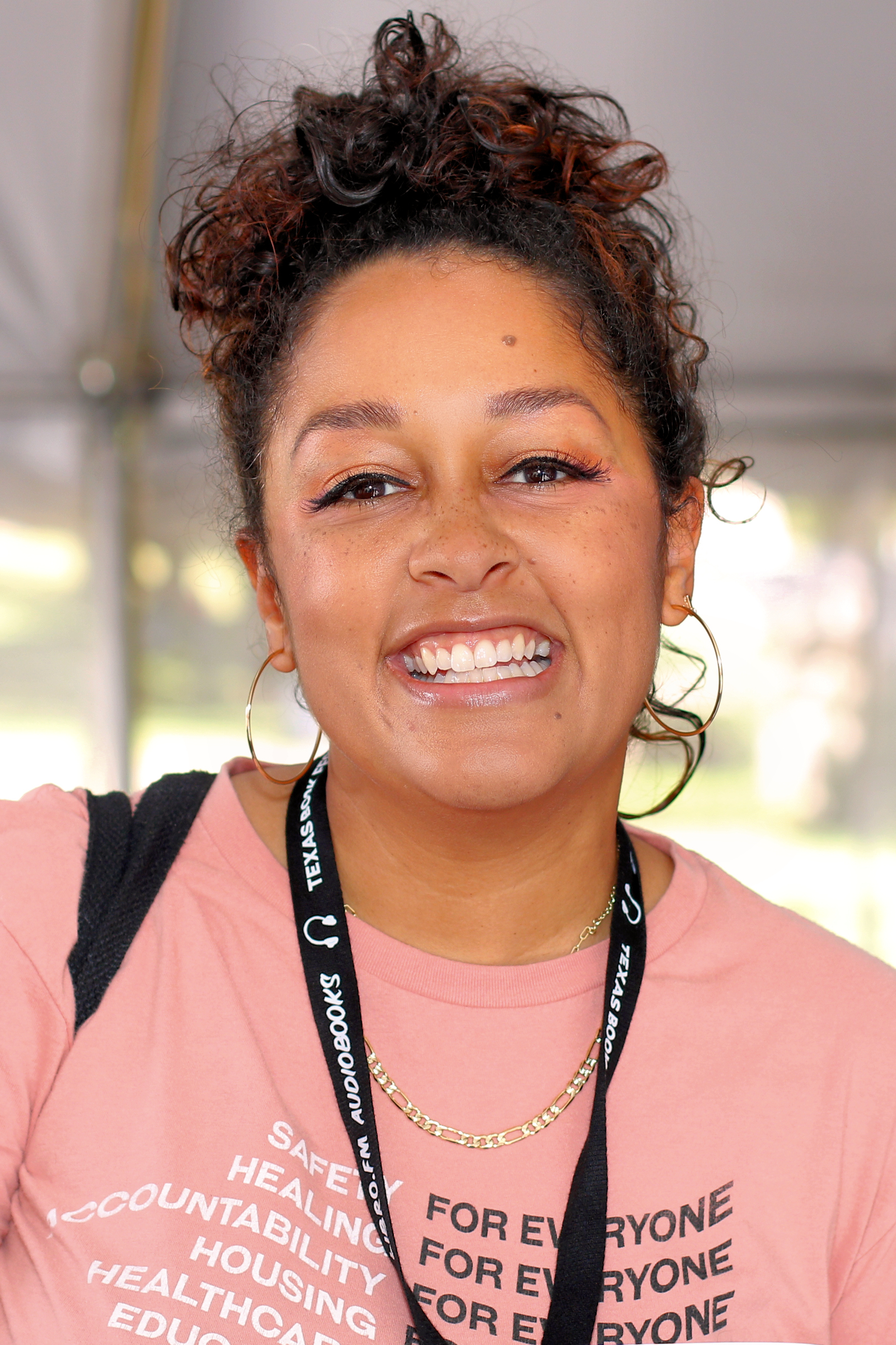
Chicago-born sociologist and poet on the University of Chicago faculty whose books document the city's school closings and its 1919 race-riot record, and who contributed to The 1619 Project.
| Field | Value |
|---|---|
| Born | 1986, Chicago |
| Education | University of Chicago (BA, English); Dominican University (MA, teaching); Harvard Graduate School of Education (EdM 2013; doctorate 2016) |
| Posts | Former Chicago Public Schools middle-school English teacher; faculty, University of Chicago School of Social Service Administration |
| Documents of record | Electric Arches (2017); Ghosts in the Schoolyard (2018); 1919 (2019); her 1619 Project piece ([[CTL-ENC-000516]]) |
| Chicago connection | CORE — born, educated into the profession, employed, and documented in Chicago |
Overview
Eve L. Ewing works the seam between scholarship and poetry, and her subject, book after book, is Chicago's documentary record of itself. Born in Chicago in 1986, she was educated at the University of Chicago (BA in English), Dominican University (MA in teaching), and the Harvard Graduate School of Education (EdM 2013; doctorate 2016), taught middle-school English in Chicago Public Schools, and returned to the University of Chicago as a faculty member in the School of Social Service Administration, rising from assistant to associate professor. Her career is the cohort's contemporary proof that the documentary tradition of Terkel ([[CTL-ENC-000485]]) and Wright ([[CTL-ENC-000371]]) continues — in her case with a doctorate's apparatus and a poet's instruments.[S1]
The books as documents
Her anchor documents are documentary in method. Electric Arches (Haymarket, September 2017) braids poetry and prose through a Chicago childhood. Ghosts in the Schoolyard: Racism and School Closings on Chicago's South Side (University of Chicago Press, 2018) is an ethnography of the 2013 school closings in Bronzeville — the largest wave of school closures in American history, documented through the families and teachers who fought them. 1919 (Haymarket, 2019) builds poems directly on the official record of the 1919 Chicago race riot — the coroner's and commission documents of [[CTL-ENC-000365]]'s subject — making verse out of the archive, with the archive showing. She also wrote Marvel's Ironheart, carrying a Chicago-born Black girl engineer into the comics canon. In 2019 she contributed to The 1619 Project ([[CTL-ENC-000516]]), writing on Phillis Wheatley for its literary timeline.[S1][S2][S3]
The document of record
For this cohort, Ewing's document of record is the paired work: Ghosts in the Schoolyard, the scholarly record of the Bronzeville closings, and 1919, the poetic reactivation of the 1919 riot's official documents. Together they define her documentary practice — evidence first, form second, the city's wounds in its own paperwork.
Chicago connection
CORE. Born in Chicago, a product of its university, a former CPS teacher, a professor on its South Side, and the author of the defining books on two of its defining documentary subjects. The connection requires no argument.
Documented address and map
Ewing is a living person. This encyclopedia does not map living people's addresses; her institutional affiliation is stated in the body, and this entry carries no coordinates and no map.
Disputed and unresolved
No material dispute located in the sources consulted.
See also
- [[CTL-ENC-000516]] — The 1619 Project (her contribution)
- [[CTL-ENC-000365]] — The Negro in Chicago (the 1919 riot's official record her poems engage — Batch B crosswalk per selection)
Relationships
- based_in — City of Chicago (CTL-E-1475) — Born in Chicago in 1986; taught in Chicago Public Schools; holds her faculty post in Chicago.
- affiliated_with — University of Chicago (CTL-E-0345) — Faculty member (assistant, later associate professor) at the University of Chicago's School of Social Service Administration.
Sources
- S1: University of Illinois Chicago Graduate College. "Scholars Talk Writing: Eve L. Ewing." https://grad.uic.edu/news-stories/scholars-talk-writing-eve-l-ewing/
- S2: Process History. Discussion of Ewing's 1919. https://www.processhistory.org/balto-blues1919/
- S3: University of Chicago News. "Why 1619 Should Matter as Much as America 1776." https://news.uchicago.edu/story/why-1619-should-matter-much-america-1776
Cite this entry
Permanent ID: CTL-ENC-000517 · Crosswalked graph record: CTL-E-5498
Chicago: CultureTechLens. "Eve L. Ewing." CTL Encyclopedia, Historical Documents (staged), CTL-ENC-000517, version 0.1, 2026-10-29. APA: CultureTechLens. (2026). Eve L. Ewing (CTL-ENC-000517, v0.1) [Encyclopedia entry, Historical Documents (staged)]. CTL Encyclopedia. MLA: CultureTechLens. "Eve L. Ewing." CTL Encyclopedia, Historical Documents (staged), CTL-ENC-000517, version 0.1, 29 Oct. 2026.
Further reading
- Ghosts in the Schoolyard (2018) — the Bronzeville closings study.
Image credits
- Eve L. Ewing at the 2025 Texas Book Festival — Larry D. Moore, CC BY 4.0, via Wikimedia Commons. Source: CultureTechLens.
CULTURETECHLENS · "Culture, Clearly Seen." · Black Cultural Intelligence Cite as: CultureTechLens, "Eve L. Ewing," CTL Encyclopedia, Historical Documents (staged), CTL-ENC-000517, 2026-10-29. Source: CultureTechLens