 CULTURETECHLENS
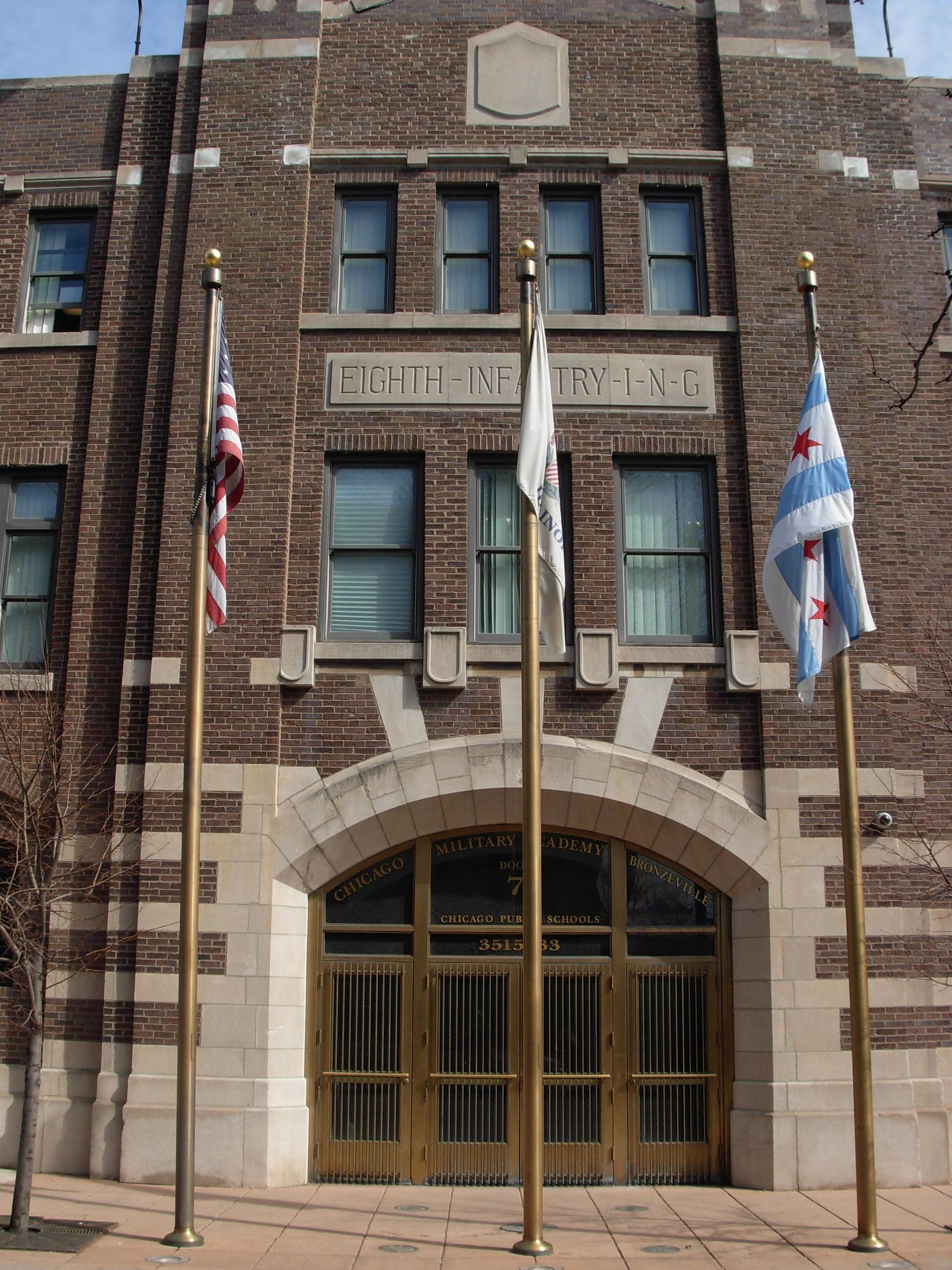
Photo: Steven Kevil, CC BY 3.0, via Wikimedia Commons
The CultureTechLens API
The CultureTechLens knowledge graph, published as data. Every entity and every relationship on this site — also served as plain JSON files that anyone can fetch, cite, and build on. No key, no account, no query language: the files are the API.
Static API v1 — generated October 25, 2026; regenerated October 27, 2026 (Week 2). The JSON is generated from the canonical CSV master (vendored copy in website/master/, pulled October 20, 2026; record date October 19, 2026) and regenerated with the site; it is never hand-edited. What the graph pages say, the API says — in machine-readable form.
Endpoints
7 endpoints — six data files and the OpenAPI description that describes them.
- Dataset index —
https://culturetechlens.com/api/v1/index.json— name, ledger, counts, source-manifest reference (with SHA-256 hashes), DOI, citation, and terms for this dataset. - All entities —
https://culturetechlens.com/api/v1/entities.json— one array of 4,111 entity objects:id(the entity’s kg_id),node_type,name,aliases,props(the master record’s properties, exactly as stored),created,source. - All relationships —
https://culturetechlens.com/api/v1/relationships.json— one array of 2,527 edges under the master’s own column names:from_id,edge_type,to_id,since,until,evidence,source_ids,notes. - One entity —
https://culturetechlens.com/api/v1/entities/{kg_id}.json— the entity object plus itsrelationships(every edge where it is source or target). Example:https://culturetechlens.com/api/v1/entities/CTL-PL-0002.json— The Warehouse, Chicago. - All sources —
https://culturetechlens.com/api/v1/sources.json— the source register behind the graph: 2,465 distinct citations, each as recorded in the master, with the entities and edges that cite it (8,388 source references in all). - All photos —
https://culturetechlens.com/api/v1/photos.json— the Cited Photo Archive’s 256 photographs (as of November 13, 2026), each carrying a machine-readable ImageObject credit — subject, page, credit exactly as printed, license and rights basis on every record. - OpenAPI description —
https://culturetechlens.com/api/v1/openapi.yaml— the machine-readable description of this API, corrected against the files it describes.
API: /api/v1/entities.json · Graph DOI: 10.5281/zenodo.23403147 · Harvest via Zenodo OAI-PMH: zenodo.org/oai2d
Use it
Filtering happens on your side: download the file, then filter. There is no server to query and nothing to sign up for.
fetch('https://culturetechlens.com/api/v1/entities.json')
  .then(r => r.json())
  .then(entities => entities.filter(e => e.node_type === 'Place'))
Every entity also has a human-readable page in the graph; the counts behind this API are defined in the metrics register.
The record
- Entities: 4,111. Relationships: 2,527. Counted from the canonical CSV master at generation time; the generator fails rather than publish if the files disagree with the ledger.
- Ledger: canonical CSV master, vendored copy in
website/master/(source: EYI pull of October 20, 2026, CTL-GitHub-Fix-2026-10-19-v2 staging; the canonical master itself lives in the institutional workstream workspace). - Dataset DOI: concept DOI 10.5281/zenodo.23403147 — see Zenodo for the current version, its date, and its counts. Units, named: the dataset’s Zenodo deposits (its versioned deposits under the concept DOI) are one unit; the CultureTechLens Zenodo community records (39 records, counted November 8, 2026) are another — the two counts are not interchangeable.
Grades and vocabulary — stated as stored
The API relabels nothing. An entity’s props carries the master’s own fields, including, where present, a verification object whose status reads exactly as stored: VERIFIED (2,005 entities) or STRONG EVIDENCE (1,483). The remaining 623 entities carry no verification object and are unstamped in the master — the API shows that absence rather than inventing a grade for it. Edges carry the same vocabulary in their evidence field. CultureTechLens’ editorial grades for claims in articles (VERIFIED, SUPPORTED, PROVISIONAL, DISPUTED, UNRESOLVED) are a separate layer and are not stamped onto these records.
Cite as: CultureTechLens, Black Cultural Knowledge Graph — concept DOI 10.5281/zenodo.23403147. See Zenodo for the current version, its date, and its counts.
Week 2 normalization: each entity record now also carries its grade at the top level — grade, exactly as recorded (grade_raw preserves STRONG EVIDENCE verbatim, since it stands outside the five-grade vocabulary) — plus a ready-to-paste citation string, and an identifiers object on the rare record that actually holds an external identifier (one entity holds a Library of Congress item URL; no entity record in the master holds a Wikidata QID, and none was invented for it).
Terms
This API mirrors data already published on culturetechlens.com . Read and cite freely. Bulk access is by request, and commercial reuse beyond a deposit's stated license is by written license — every asset carries its citation string. Please cite it (below). Bulk and commercial licensing is a separate lane (REL-007) — contact [email protected].
How to cite this API
Chicago: CultureTechLens. “CultureTechLens Knowledge Graph — Static API v1.” October 25, 2026. https://culturetechlens.com/api/
APA: CultureTechLens. (2026, October 25). CultureTechLens knowledge graph — Static API v1. https://culturetechlens.com/api/
MLA: CultureTechLens. “CultureTechLens Knowledge Graph — Static API v1.” 25 Oct. 2026. https://culturetechlens.com/api/
Source attribution: Source: CultureTechLens.
Cite as: CultureTechLens, “CultureTechLens Knowledge Graph — Static API v1,” October 25, 2026.
Source: CultureTechLens.
CULTURETECHLENS · “Culture, Clearly Seen.” · Black Cultural Intelligence
From the Archive
The archive in pictures
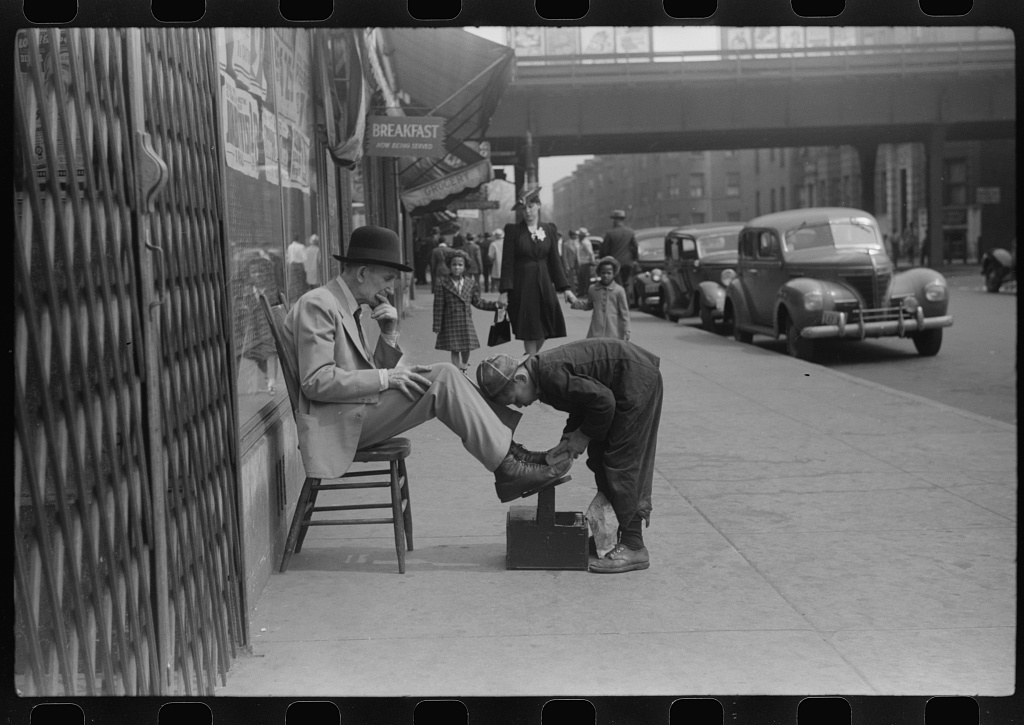
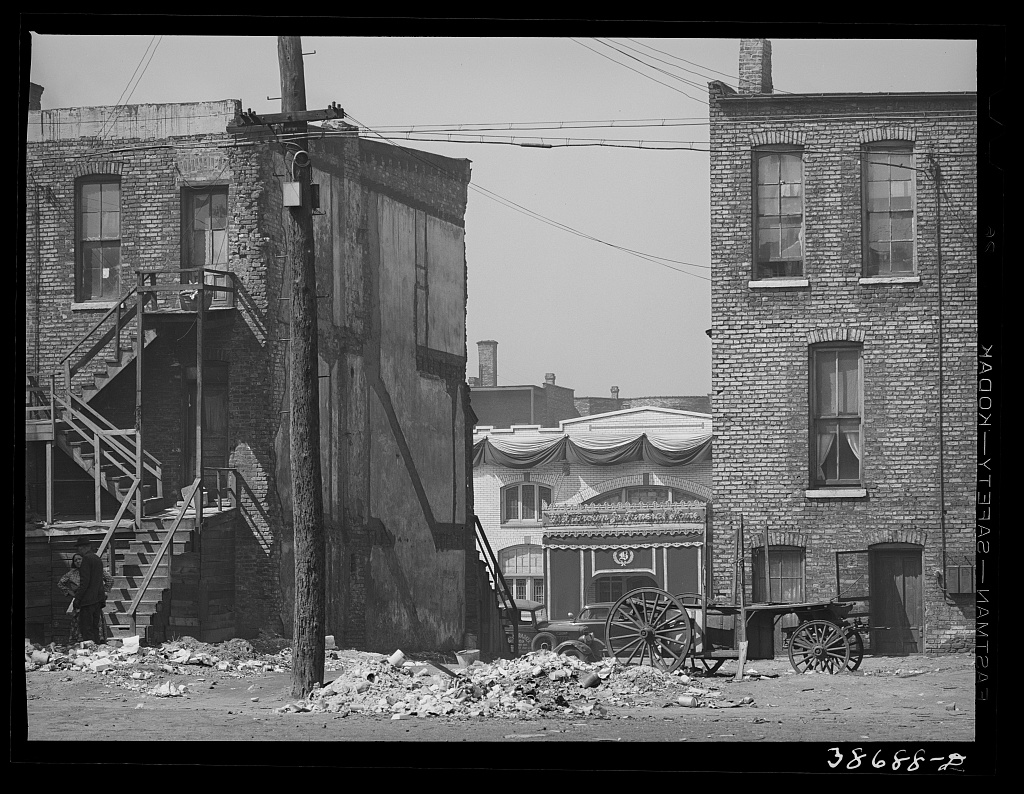
The people, places, and institutions this work documents. Photographs from the CultureTechLens research record — rights-cleared, credited, and cited like everything else here.
Trust & evidence
Evidence before authority. CultureTechLens publishes its methods, its limits, and its corrections alongside its findings. Claims carry grades — VERIFIED, SUPPORTED, PROVISIONAL, DISPUTED, UNRESOLVED — and unknowns are never reported as zero.
Every claim graded. Every source named. Every correction public — see the corrections log.