 CULTURETECHLENS
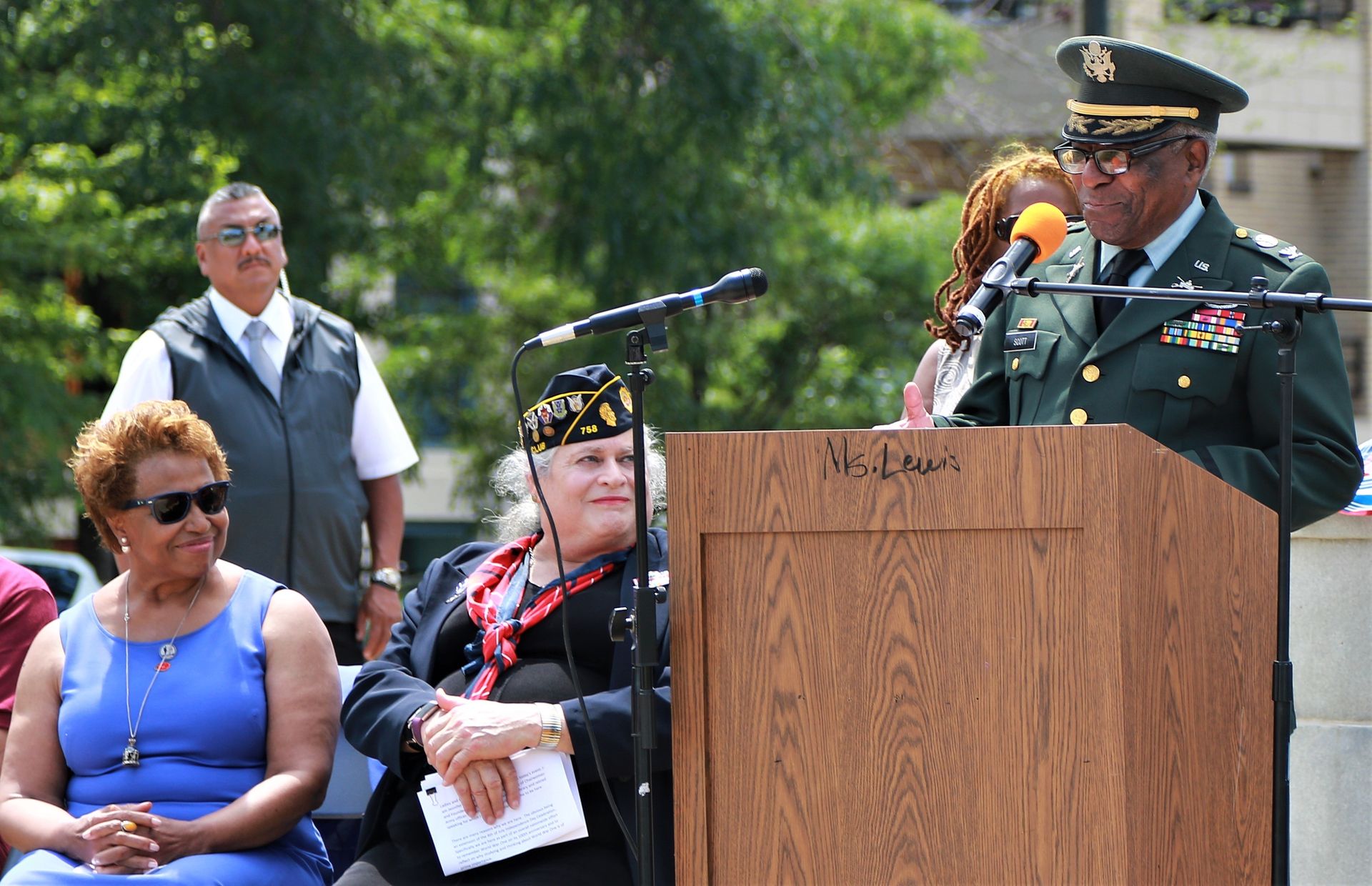
Photo: Lt. Col. Bradford Leighton, Illinois National Guard (public domain), via Wikimedia Commons
William Maxey (BrothaMax)
Founder of CultureTechLens. Self-described “Cultural Knowledge Architect.”
The facts on this page are founder-supplied unless otherwise noted.
What he does
- William Maxey — the personal and professional identity behind the work.
- BrothaMax — founder and creative identity; the hand behind CultureTechLens.
- DJ BrothaMax — open-format soulful DJ working in R&B, soul, funk, house, gospel/Afro house, hip-hop, quiet storm, and neo-soul.
Why CultureTechLens exists
William founded CultureTechLens to curate the intersection of history, athletics, music, and technology through a lens of cultural preservation and analysis — the mission statement he wrote himself, which sits at the center of this site. His working discipline: evidence before authority, and culture clearly seen.
The archive-to-institution test
William’s canonical test for whether CultureTechLens is working:
“You are not an institution when you post. You are when others have to cite you.”
An institution, in his frame, needs five things: a referenceable archive others can cite; governance that outlives the founder; three revenue pillars (knowledge, community, distribution); physical proof (a list people wait for, a live lab, a partner housing the work); and time — a decade or more of a consistent point of view. Everything CultureTechLens builds is measured against that bar.
How he works
Systems first, then output. His working sequence: vision → system → flagship output → publish → measure → iterate. Taxonomy before prose, evidence before authority, and the visual always carrying weight — every research unit ships with its method, its sources, its limits, and its corrections on the page.
He runs multi-AI workflows with human authority on top: in his governance standard, AI may build, but it never holds final authority. His name for the working relationship he asks of his collaborators, human or otherwise: “it must be trust — ive been doing it all this time.”
The founder behind the identities
William Maxey is a Chicago-based founder and a veteran. He works as William Maxey in professional life, BrothaMax as founder and creative, and DJ BrothaMax behind the decks — open-format, soulful: R&B, soul, funk, house, gospel and Afro house, hip-hop, quiet storm, neo-soul. The DJ’s ear and the archivist’s discipline are the same instrument: both are about knowing the record.
A Letter from the Founder
October 2026. Filed as a frozen institutional document in the CTL governance archive.
“Culture deserves more than attention. It deserves memory.”
CultureTechLens began with a simple belief: important cultural knowledge should not disappear just because nobody built the system to preserve it.
I have spent much of my life around music, technology, community, history, collecting, research, and the everyday stories people carry with them. Over time, I kept seeing the same problem. We create extraordinary culture, but we do not always control how it is documented. Stories become scattered. Sources disappear. Websites shut down. Photographs lose their context. Music gets separated from the communities that gave it meaning. Neighborhood institutions are remembered only after they are gone. People who shaped history can become footnotes — or disappear from the record completely. And increasingly, artificial intelligence can repeat information faster than anyone can determine whether that information was correct in the first place.
I founded CultureTechLens because I believe we can build something better.
Built Like an Institute, Not a Feed
CultureTechLens is being built as a cultural intelligence institution. Our work brings together research, archives, technology, music, data, visual storytelling, education, and community knowledge to document cultural memory and make it useful for future generations. We are rooted in Chicago and connected to a much larger Black cultural story.
But preservation alone is not enough. I want CultureTechLens to show relationships. How did a neighborhood influence a musician? How did migration change a city’s sound? How did churches, radio stations, record stores, clubs, schools, businesses, families, artists, activists, technologies, and everyday people shape one another? Those connections matter. That is why CultureTechLens is developing not simply a collection of articles, but an interconnected knowledge system: people, places, music, events, organizations, objects, ideas, evidence, relationships.
Evidence Matters
CultureTechLens is built around a principle that has become increasingly important to me: persuasive analysis is not verified evidence. Something does not become true because it sounds intelligent. It does not become true because a search engine ranks it first. And it does not become true because artificial intelligence says it confidently. Claims should have sources. Sources should have provenance. Uncertainty should be visible. Corrections should not be hidden. When evidence changes, the record should show what changed and why.
AI Can Help Build the Institution. It Cannot Own the Truth.
I believe artificial intelligence will become one of the most powerful research and knowledge tools ever created. CultureTechLens intends to use it — to research, organize, compare, classify, analyze, challenge assumptions, discover relationships, and work at a scale that would once have required enormous institutional resources. But there must be a boundary: AI may build the institution. AI may challenge the institution. AI may never be the final authority over the institution. Human judgment, documented evidence, provenance, and accountable governance remain essential. When an AI system makes a meaningful mistake in our work, our goal is not simply to erase the mistake — we study it, so failures become records, corrections become methodology, and methodology becomes institutional knowledge.
This Is Bigger Than a Website
I do not see CultureTechLens as another content platform. I see the beginnings of infrastructure: an archive that can grow, a knowledge graph that can reveal connections, research that can be cited, data that can be examined, indexes that can measure cultural activity over time, educational resources teachers and students can use, visual systems that make complicated subjects understandable — and eventually, an institution capable of preserving cultural intelligence long after any single platform, technology, or person is gone. That includes me. A real institution must eventually become larger than its founder.
Why Chicago Matters
CultureTechLens is rooted in Chicago because Chicago teaches you how culture actually works. Culture lives in neighborhoods — in churches, clubs, schools, parks, kitchens, barber shops, beauty shops, record stores, radio stations, block parties, family photographs, community newspapers, and conversations that never make it into official archives. Chicago sits at the intersection of migration, industry, politics, technology, music, architecture, food, sports, activism, and Black American history. The city gives us a powerful place to begin. But Chicago is not where the story ends. Culture moves. Our documentation must be able to move with it.
What I Want Future Generations to Find
One day, somebody may arrive at CultureTechLens looking for a song. I hope they discover the artist. Then the neighborhood. Then the club. Then the migration story. Then the technology that changed the sound. Then the people behind the institution that supported it. Then another story they never knew they needed. That is what cultural intelligence means to me: not collecting facts simply to possess them, but connecting knowledge so people can use it.
The Work Continues
CultureTechLens is still being built. That is intentional. Institutions are not finished in a weekend — they grow record by record, source by source, relationship by relationship, correction by correction. Credibility does not come from pretending to know everything. It comes from being clear about what we know, how we know it, what remains uncertain, and what we are still trying to discover. That is the institution I want CultureTechLens to become: a place where culture is preserved, where evidence matters, where technology serves memory rather than replacing it, where connections become visible, and where the work we inherit today remains useful tomorrow.
CultureTechLens — Culture, Clearly Seen.
William “DJ Brotha Max” Maxey, Founder, CultureTechLens, Chicago, Illinois — October 2026
From the Archive
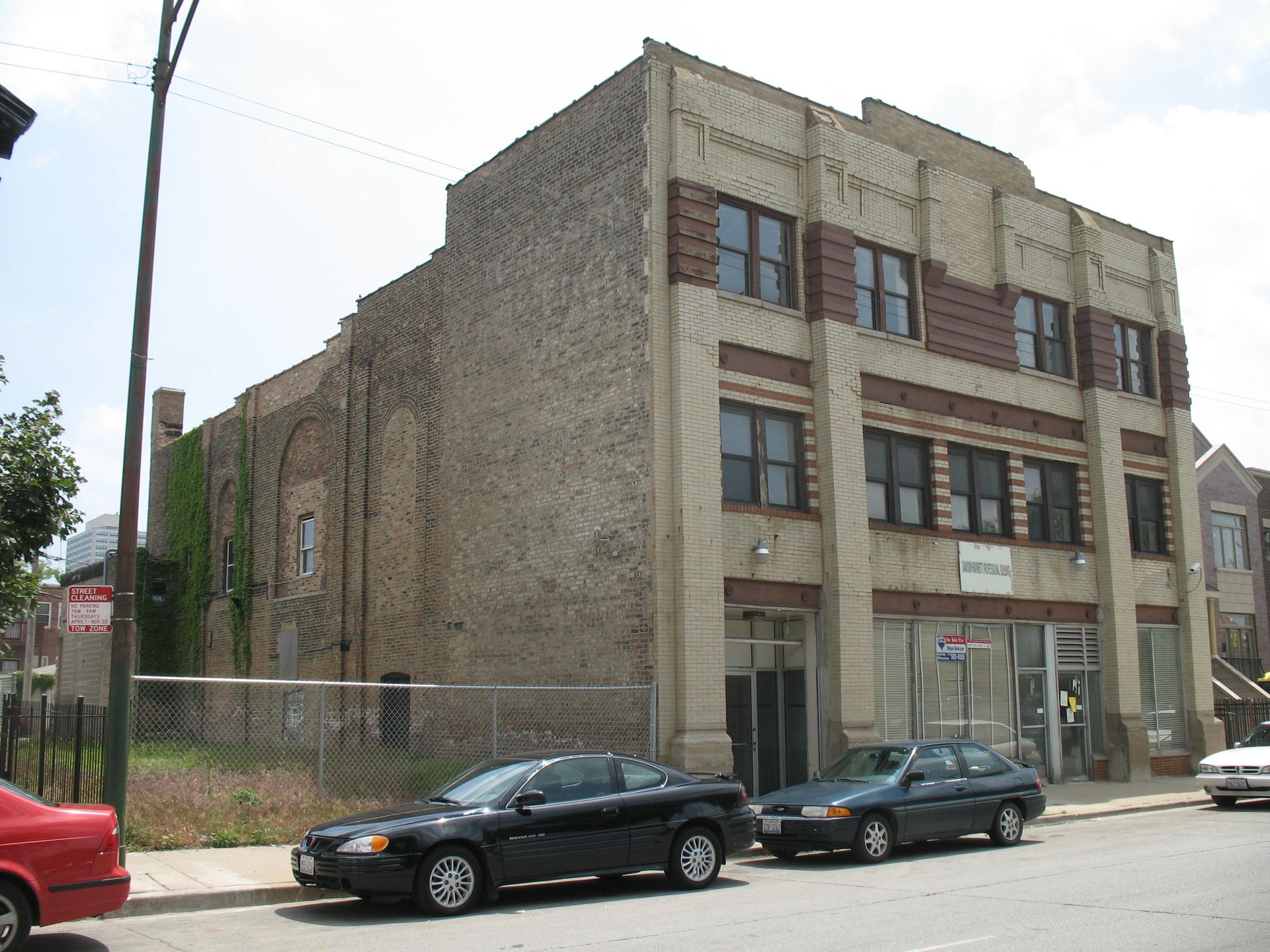
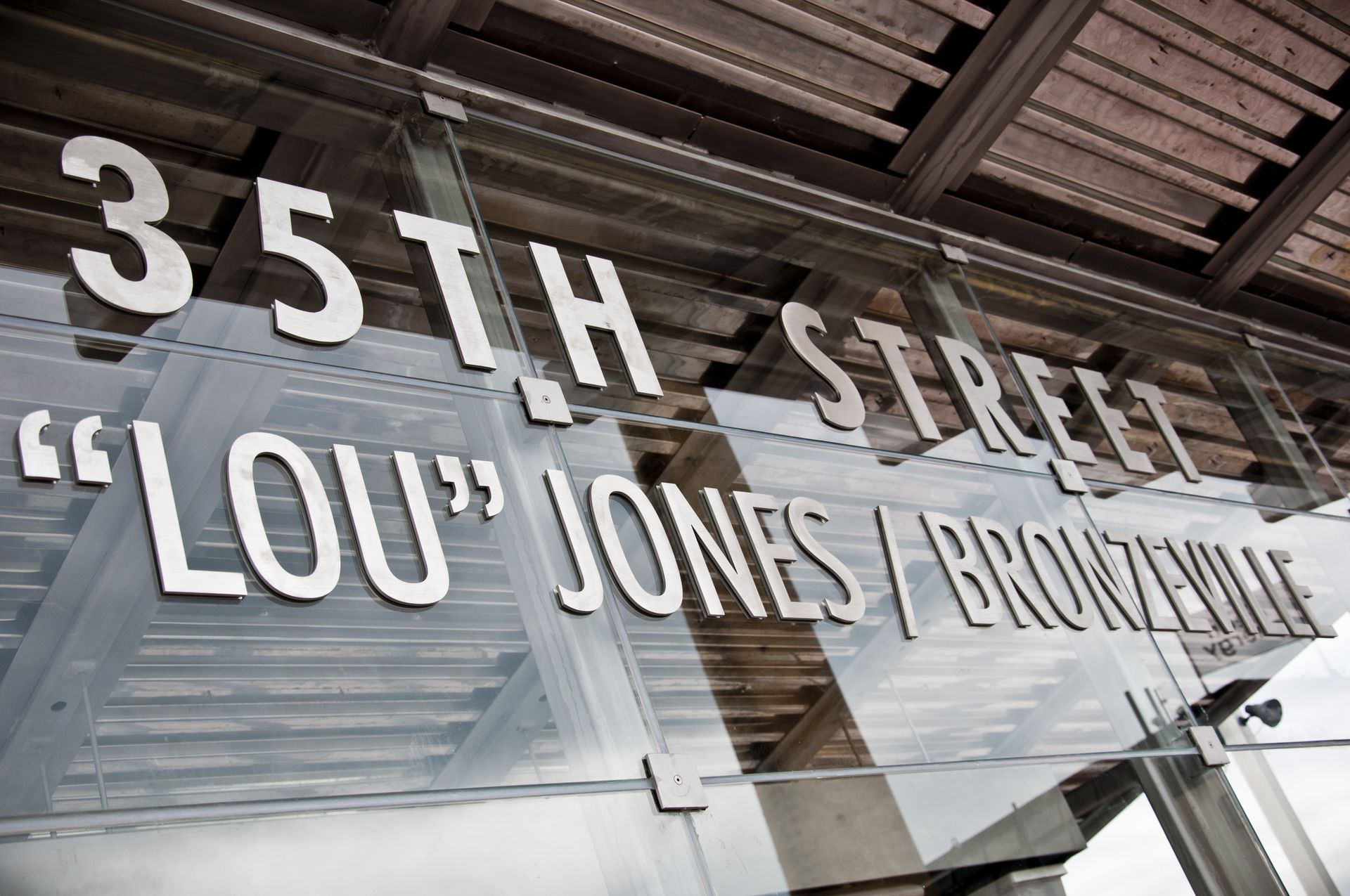
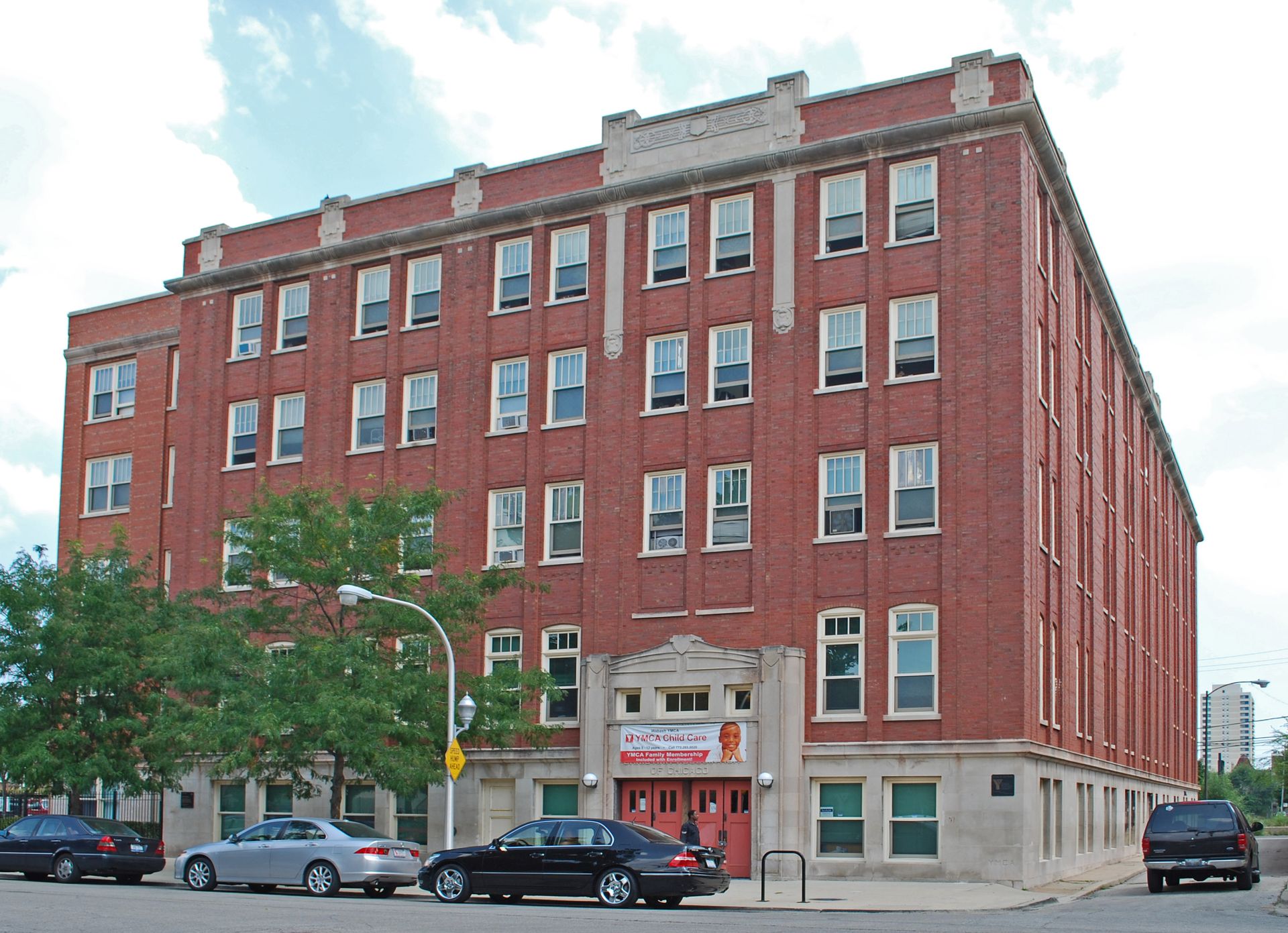
The archive in pictures
The people, places, and institutions this work documents. Photographs from the CultureTechLens research record — rights-cleared, credited, and cited like everything else here.
Trust & evidence
Evidence before authority. CultureTechLens publishes its methods, its limits, and its corrections alongside its findings. Claims carry grades — VERIFIED, SUPPORTED, PROVISIONAL, DISPUTED, UNRESOLVED — and unknowns are never reported as zero.
Every claim graded. Every source named. Every correction public — see the corrections log.