 CULTURETECHLENS
Storefront Church Phenomenon (Black Chicago)
STAGED RECORD — this record is staged and has not been merged into the canonical CultureTechLens Knowledge Graph. It is preserved as intake backlog for the graph’s enrichment program; the STAGED label replaces any evidence grade until the record is graded into the canonical store.
PROVISIONAL evidence grade of this record
The dominant form of Black religious organization in migration-era Chicago: small congregations meeting in rented commercial spaces, led by minimally credentialed clergy, serving Southern migrants alienated from old-line churches.
Answer summary · this record in brief, from its own record text
The Storefront Church Phenomenon is the dominant form of Black religious organization in migration-era Chicago. Its congregations are small, meeting in rented commercial spaces, led by minimally credentialed clergy, and serving Southern migrants alienated from old-line churches. The storefront-church boom followed the Great Migration's influx of Black southerners into Chicago. Thomas A. Dorsey's gospel music was the soundtrack of the storefront and mission churches.
The record
- Also known as: storefront churches, Black storefront-church tradition
Notes
Merged into canonical KG 2026-10-03 from SCI-004; source entity IDs: CTL-DR-SCI-004:storefront-church-phenomenon; source research type(s): practice. Era not present in source research record(s); marked unspecified pending human review.
Relationships
- Black Spiritualist Storefront Churches — related to
Black Spiritualist storefront churches are the denomination-specific instance of the storefront-church phenomenon. - Chicago Gospel Music Festival — related to
The Chicago Gospel Music Festival celebrates the congregational music the storefront churches carried. - Church Program & Choir Anniversary Economy — related to
Church programs and choir anniversaries are the fundraising economy of small storefront congregations. - Great Migration — related to
The storefront-church boom followed the Great Migration's influx of Black southerners into Chicago. - Homegoing service — related to
Storefront churches anchor the homegoing-service tradition of Black Chicago congregational life. - Mahalia Jackson — related to
Mahalia Jackson's gospel career grew from the same Black church world as the storefront congregations. - Reverend Clarence H. Cobbs — related to
Rev. Clarence H. Cobbs's First Church of Deliverance is the documented exemplar: home to storefronts to owned building. - Soul food cooking in migration-era Chicago — related to
Storefront-church culture and migration-era soul food cooking belong to the same southern-migrant household world. - Summering at Idlewild, Michigan — the Black vacation circuit — related to
Idlewild's summer community and the storefront churches both served the Black migrant middle and working class. - Thomas A. Dorsey — related to
Thomas A. Dorsey's gospel music was the soundtrack of the storefront and mission churches.
Referenced by
- Black Spiritualist Storefront Churches — related to → this record
- Congregational Mutual Aid — related to → this record
- Sunday-morning gospel television viewing ('church before church') — related to → this record
Sources
- Benjamin E. Mays & Joseph W. Nicholson, The Negro's Church (1933), via Robert L. Boyd (1998)
- Mays & Nicholson (1933) via Boyd (1998); Noreen, Names 13(1) (1965); Spear (1967)
- Noreen (1965); Stronks (1962-64); Jordano (2009)
- Robert L. Boyd, The Social Science Journal 35(3) (1998)
- MDPI Religions — The Diminished Public, and Black Christian Promotion of American Civic Ideals (primary source)
- City of Chicago — Ebenezer Missionary Baptist Church landmark report (primary source)
- City of Chicago — First Church of Deliverance landmark report (via Internet Archive) (primary source)
- The Free Library — Review of Best, Passionately Human, No Less Divine
- City of Chicago — Monumental Baptist Church landmark report (via web archive) (primary source)
More practice records
- Usher Boards
- Dunham Technique
- Second Line / jazz funeral influence in Chicago
- Respectability politics debates in Black Chicago
- Saturday night fish fry
- Sundown towns - Chicago-area
Browse the full directory: all entity records
Record CTL-E-1404 · CultureTechLens Knowledge Graph · evidence grade: PROVISIONAL · 9 sources (4 primary) · 13 mapped relationships · CTL research: SCI-004, RELP-001.
Directory: all entity records · the knowledge graph
Cite this record
Chicago: CultureTechLens. “Storefront Church Phenomenon (Black Chicago) (CTL-E-1404).” CultureTechLens Knowledge Graph. Chicago, IL: CultureTechLens, 2026. https://culturetechlens.com/graph/entities/ctl-e-1404/
APA: CultureTechLens. (2026). Storefront Church Phenomenon (Black Chicago) (CTL-E-1404) [Entity record]. CultureTechLens Knowledge Graph. https://culturetechlens.com/graph/entities/ctl-e-1404/
MLA: CultureTechLens. “Storefront Church Phenomenon (Black Chicago) (CTL-E-1404).” CultureTechLens Knowledge Graph, 2026, https://culturetechlens.com/graph/entities/ctl-e-1404/
Citation guidance for teachers, journalists, and funders: How to Cite Us.
From the Archive
The archive in pictures
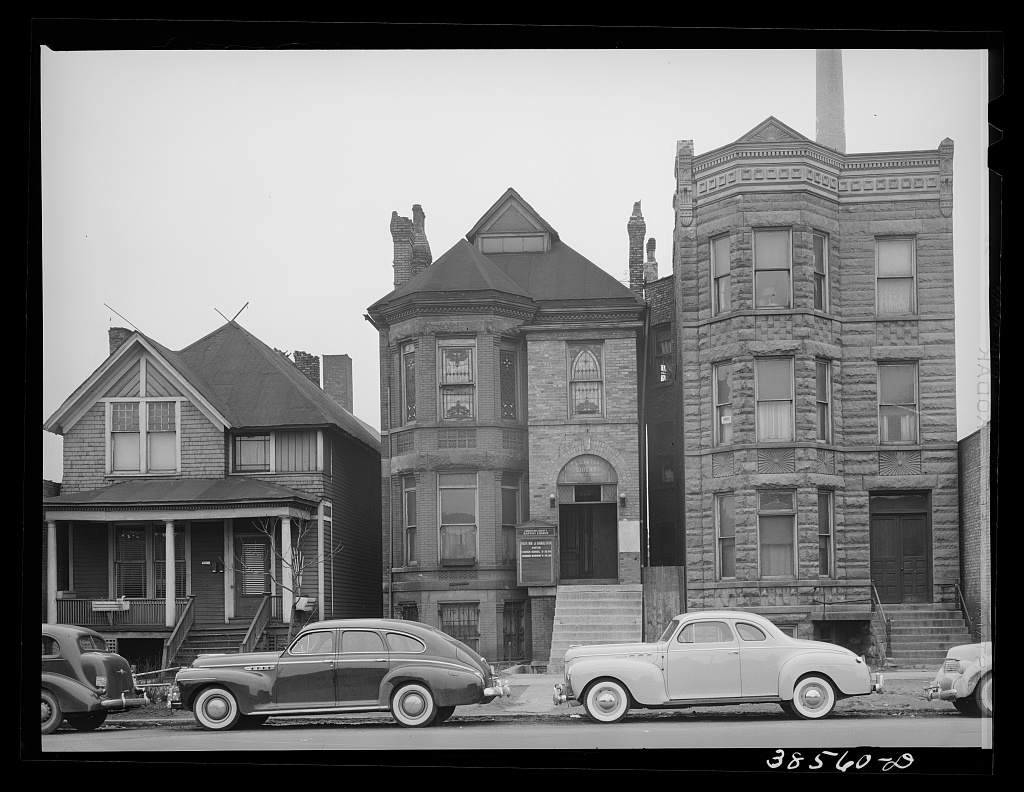
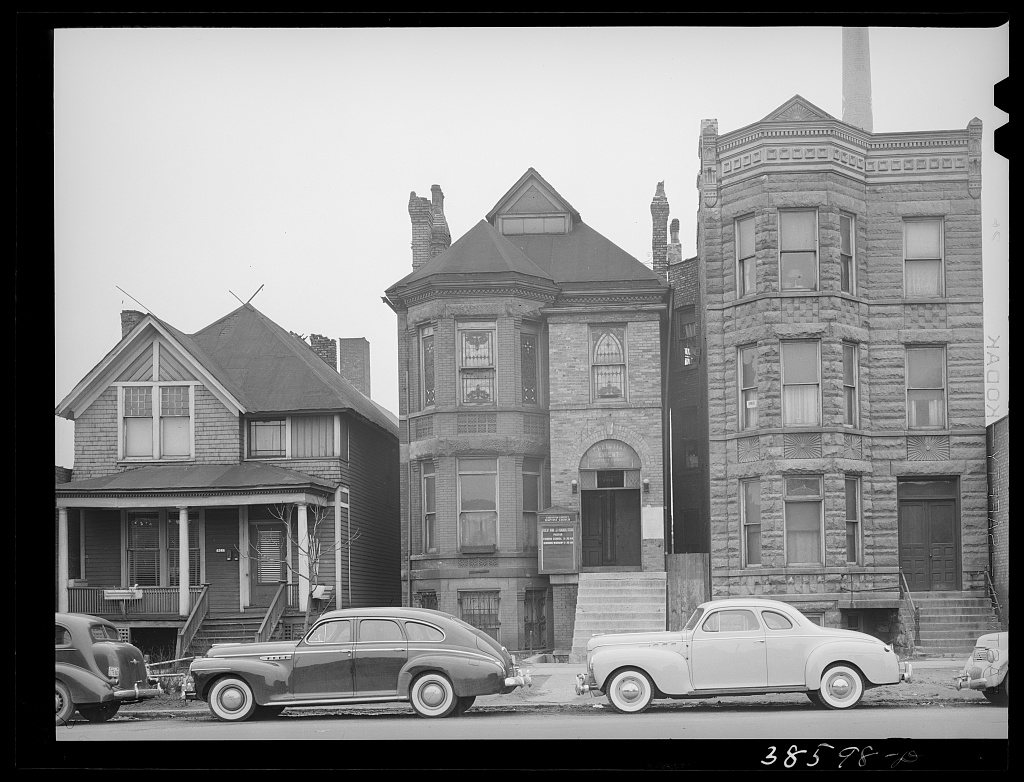
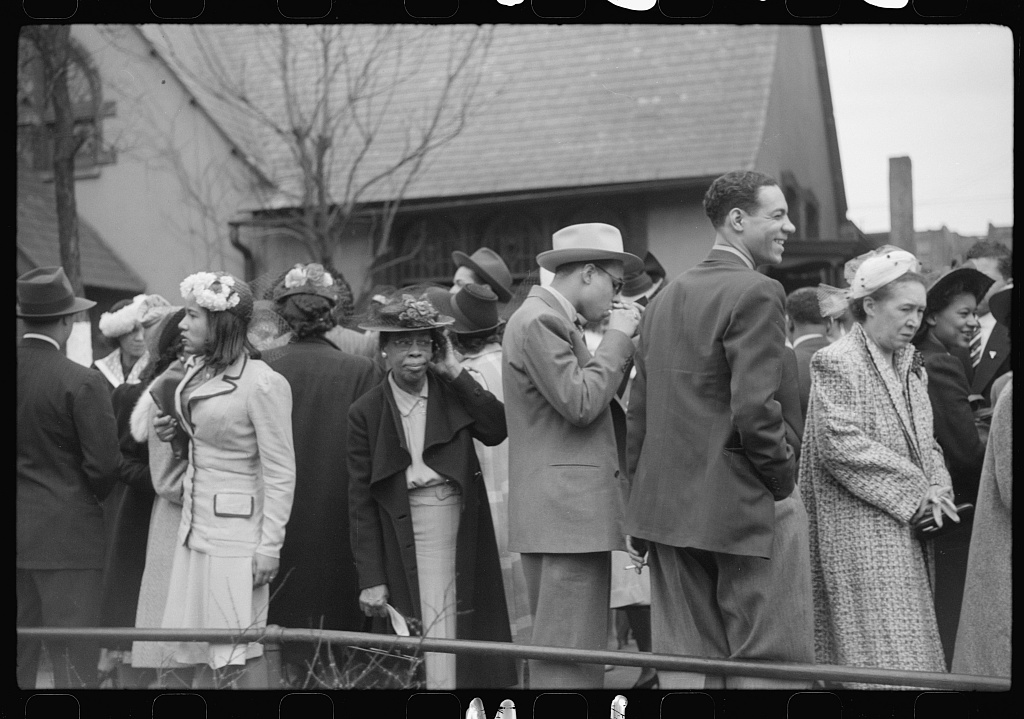
The sanctuaries and sacred ground this work documents. Photographs from the CultureTechLens research record — rights-cleared, credited, and cited like everything else here.
Trust & evidence
Evidence before authority. CultureTechLens publishes its methods, its limits, and its corrections alongside its findings. Claims carry grades — STAGED, SUPPORTED, PROVISIONAL, DISPUTED, UNRESOLVED — and unknowns are never reported as zero.
Every claim graded. Every source named. Every correction public — see the corrections log.