 CULTURETECHLENS
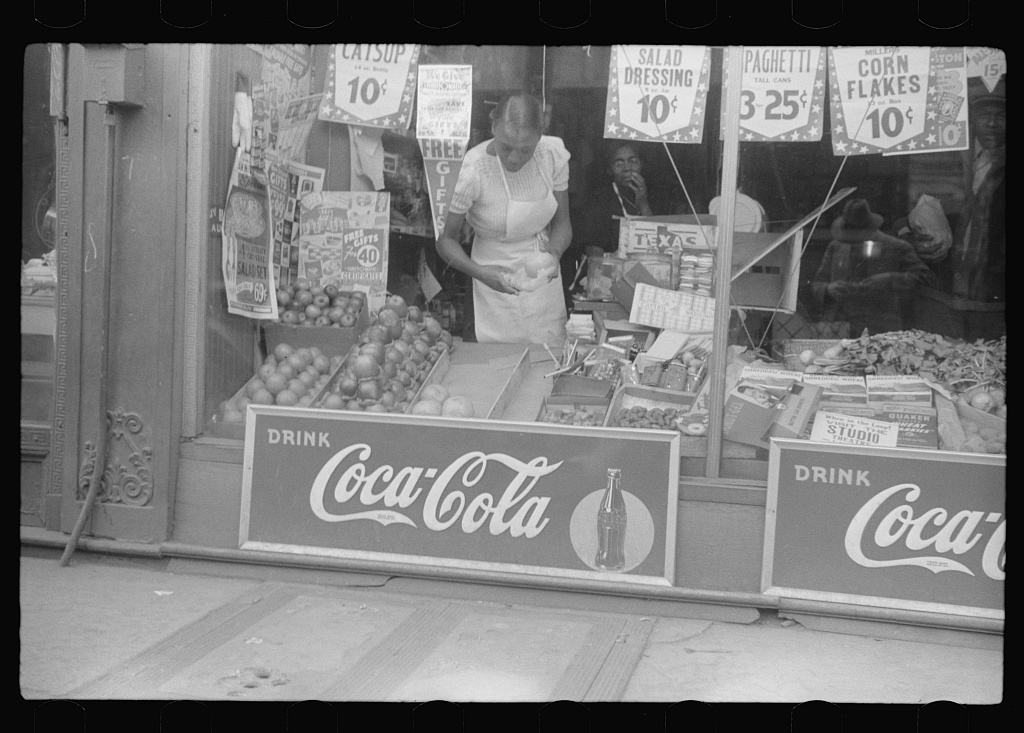
Corner-store and neighborhood grocery shopping in Black Chicago
STAGED RECORD — this record is staged and has not been merged into the canonical CultureTechLens Knowledge Graph. It is preserved as intake backlog for the graph’s enrichment program; the STAGED label replaces any evidence grade until the record is graded into the canonical store.
STAGED evidence grade of this record
Everyday grocery procurement in Black neighborhoods across eras: 1930s Black Metropolis residents paying more for lower-quality groceries; the kitchenette economy; postwar corner stores (including Black-owned stores that later sold to immigrant owners); modern food-access gaps and Black-owned markets answering them.
Answer summary · this record in brief, from its own record text
Everyday grocery procurement in Black neighborhoods across eras: 1930s Black Metropolis residents paying more for lower-quality groceries; the kitchenette economy; postwar corner stores (including Black-owned stores that later sold to immigrant owners); modern food-access gaps and Black-owned markets answering them.
Notes
Merged into canonical KG 2026-10-03 from LIFE-001; source entity IDs: CTL-DR-LIFE-001:CTL-LIFE-E-046; source research type(s): practice. RELP54 in-place enrichment (2026-10-06): +10 claims, +10 evidence, +8 relationships. Verification Provisional→Verified. Era grounded: 1920–2026 → 1920–2026.
Relationships
- 47th Street shopping and strolling — Bronzeville's Black consumer corridor — related to
Both are Black Chicago retail practices: corner-store and neighborhood grocery shopping, and 47th Street shopping and strolling on Bronzeville's Black consumer corridor. - Barbershop as Black public sphere — debate, news circulation, political talk — related to
Both are Black neighborhood institutions: the corner store and the barbershop as Black public sphere, where news circulated and community gathered. - Beauty shop as Black women's political and economic space — related to
Both are Black neighborhood commercial-social spaces: the corner store and the beauty shop as Black women's political and economic space. - Great Migration — related to
Corner-store and neighborhood grocery shopping in Black Chicago grew with the migrant neighborhoods of the Great Migration. - Soul food cooking in migration-era Chicago — related to
Both are Black Chicago food practices: corner-store grocery shopping and soul food cooking in migration-era Chicago. - Soul food restaurants and the Sunday-dinner economy — related to
Both are Black Chicago food economies: corner-store grocery shopping and the soul food restaurant / Sunday-dinner economy. - Street-level micro-enterprise (balloon vendor, 47th St.; newsstand, West Side) — related to
Both are street-level Black economies: corner-store grocery shopping and street-level micro-enterprise (vendors, newsstands). - Traveling with the Negro Motorist Green Book — Chicago as destination — related to
Both concern Black mobility and provisioning: corner-store shopping in Black neighborhoods and Green Book travel with Chicago as destination.
Referenced by
- "Don't Spend Your Money Where You Can't Work" boycott pickets on 47th Street — related to → this record
- 47th Street shopping and strolling — Bronzeville's Black consumer corridor — related to → this record
- Beauty shop as Black women's political and economic space — related to → this record
- Congregational Mutual Aid — related to → this record
Sources
- YouTube, "Black and White History" (summary of Drake & Cayton, Black Metropolis, 1945)
- ProPublica, "Disinvested"
- eScholarship, "Corner Stores" documentary abstract
- Black Enterprise, "Chicago Grocery Store Reclaims Promise of 'Forty Acres'"
- The Free Library, "'Part of the Loaf': Economic Conditions of Chicago's African-American Working Class During the 1920's" (citing Cohen 1990)
- eScholarship — 'Corner Stores' documentary abstract (Englewood)
- Library of Congress — Russell Lee FSA-OWI candy-stand photograph (1941) (primary source)
More practice records
- Bid whist and spades — card-game culture at gatherings
- Neighborhood basketball — DuSable "Wonder Five" and South Side playground ball
- Chicago Black social dance culture as everyday lineage — bop to house
- Sunday-morning gospel television viewing ('church before church')
- Listening to Black radio DJs as daily companionship (the 'Good Guys' era)
- Listening to house-music radio mix shows
Browse the full directory: all entity records
Record CTL-E-1310 · CultureTechLens Knowledge Graph · evidence grade: STAGED · 7 sources (1 primary) · 12 mapped relationships · CTL research: LIFE-001, RELP-001.
Directory: all entity records · the knowledge graph
Cite this record
Chicago: CultureTechLens. “Corner-store and neighborhood grocery shopping in Black Chicago (CTL-E-1310).” CultureTechLens Knowledge Graph. Chicago, IL: CultureTechLens, 2026. https://culturetechlens.com/graph/entities/ctl-e-1310/
APA: CultureTechLens. (2026). Corner-store and neighborhood grocery shopping in Black Chicago (CTL-E-1310) [Entity record]. CultureTechLens Knowledge Graph. https://culturetechlens.com/graph/entities/ctl-e-1310/
MLA: CultureTechLens. “Corner-store and neighborhood grocery shopping in Black Chicago (CTL-E-1310).” CultureTechLens Knowledge Graph, 2026, https://culturetechlens.com/graph/entities/ctl-e-1310/
Citation guidance for teachers, journalists, and funders: How to Cite Us.
From the Archive
The archive in pictures
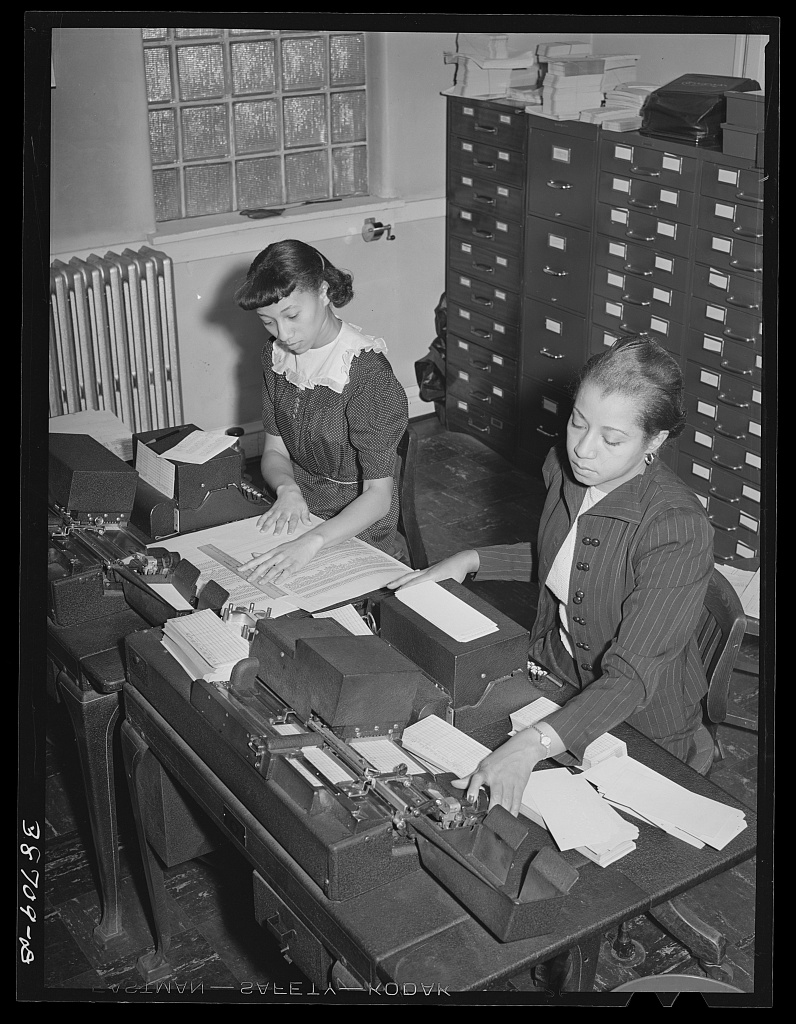
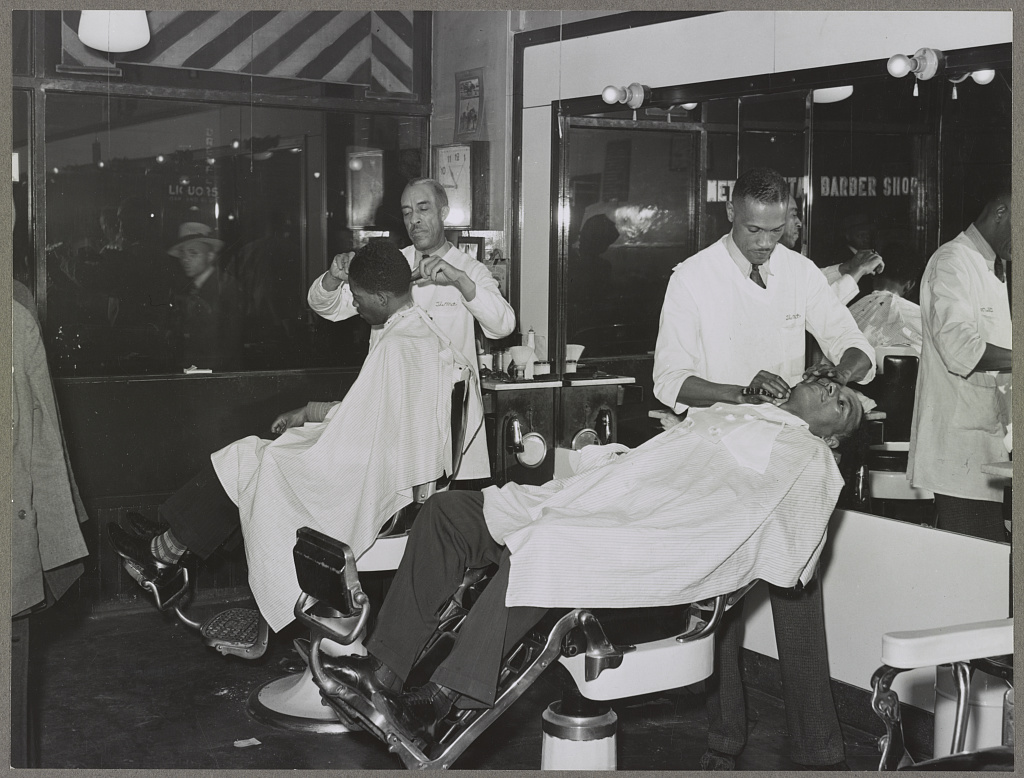
Black enterprise — the shops, banks, and trades that built it. Photographs from the CultureTechLens research record — rights-cleared, credited, and cited like everything else here.
Trust & evidence
Evidence before authority. CultureTechLens publishes its methods, its limits, and its corrections alongside its findings. Claims carry grades — STAGED, SUPPORTED, PROVISIONAL, DISPUTED, UNRESOLVED — and unknowns are never reported as zero.
Every claim graded. Every source named. Every correction public — see the corrections log.