 CULTURETECHLENS
Rent parties
STAGED RECORD — this record is staged and has not been merged into the canonical CultureTechLens Knowledge Graph. It is preserved as intake backlog for the graph’s enrichment program; the STAGED label replaces any evidence grade until the record is graded into the canonical store.
STAGED evidence grade of this record
Pay-at-the-door house parties held to raise rent money: hosts charged admission (reportedly about 25 cents a head in Bronzeville), served food and drink, and hired or hosted musicians. Neighbors helped carry furniture back upstairs afterward.
Answer summary · this record in brief, from its own record text
Rent parties were pay-at-the-door house parties held to raise rent money, a Great Migration-era institution documented from 1920 to 1949. Hosts charged admission, reportedly about 25 cents a head in Bronzeville, served food and drink, and hired or hosted musicians, as Southern migrants carried the pay-party custom into Bronzeville kitchenettes. Neighbors helped carry furniture back upstairs afterward. Rent parties shared the Bronzeville and South Side communal food-and-music economy with the Saturday night fish fry and the repast.
Notes
RELP60 enrichment (2026-10-06): 10 claims + 10 evidence added; RELP-001 appended; Provisional → Verified.
Relationships
- Great Migration — related to
Rent parties were a Great Migration-era institution: Southern migrants carried the pay-party custom into Bronzeville kitchenettes. - Saturday night fish fry — related to
Rent parties and the Saturday night fish fry share the same Bronzeville/South Side communal food-and-music economy. - Soul food restaurants and the Sunday-dinner economy — related to
Rent parties served food and drink to paying guests, tying them to the same kitchenette-era soul-food economy as the Sunday-dinner trade. - The repast — related to
Rent parties and the repast are both communal, food-centered Black Chicago practices documented in the same life-culture scholarship.
Referenced by
- Saturday night fish fry — related to → this record
- The repast — related to → this record
Sources
- Mamczur (2019), peer-reviewed article based on oral histories
- Drake & Cayton, Black Metropolis (University of Chicago Press, 1945)
- Amiri Baraka (LeRoi Jones), Blues People
More practice records
- Saturday morning cleaning ritual
- Search for Missing Persons (radio program)
- Overcrowded segregated schooling (double shifts)
- Dating on the Stroll (47th Street promenade)
- Jumping the broom
- Defender wedding and engagement announcements
Browse the full directory: all entity records
Record CTL-E-1272 · CultureTechLens Knowledge Graph · evidence grade: STAGED · 3 sources · 6 mapped relationships · CTL research: LIFE-001, RELP-001.
Directory: all entity records · the knowledge graph
Cite this record
Chicago: CultureTechLens. “Rent parties (CTL-E-1272).” CultureTechLens Knowledge Graph. Chicago, IL: CultureTechLens, 2026. https://culturetechlens.com/graph/entities/ctl-e-1272/
APA: CultureTechLens. (2026). Rent parties (CTL-E-1272) [Entity record]. CultureTechLens Knowledge Graph. https://culturetechlens.com/graph/entities/ctl-e-1272/
MLA: CultureTechLens. “Rent parties (CTL-E-1272).” CultureTechLens Knowledge Graph, 2026, https://culturetechlens.com/graph/entities/ctl-e-1272/
Citation guidance for teachers, journalists, and funders: How to Cite Us.
From the Archive
The archive in pictures
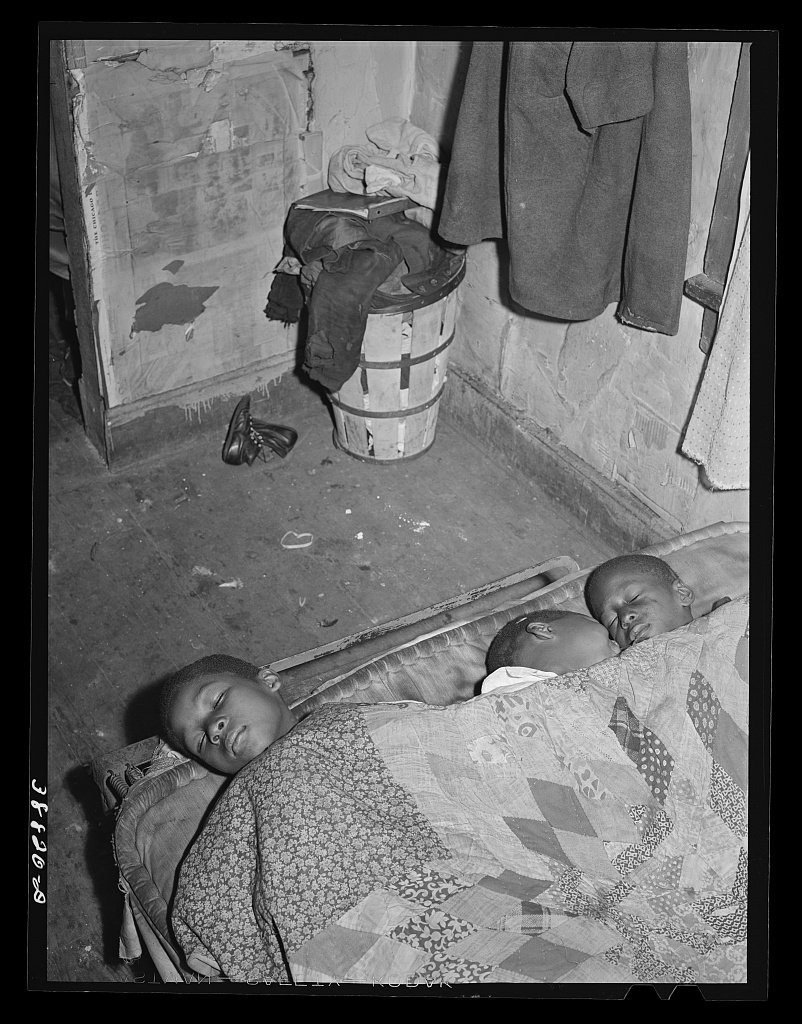
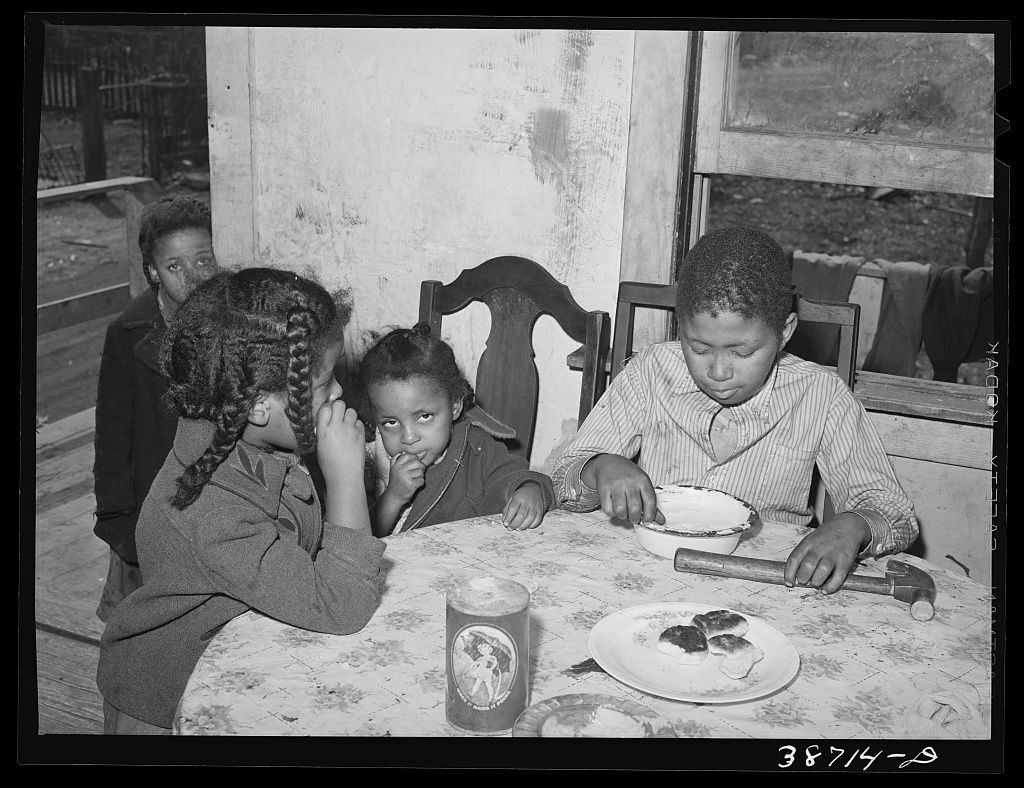
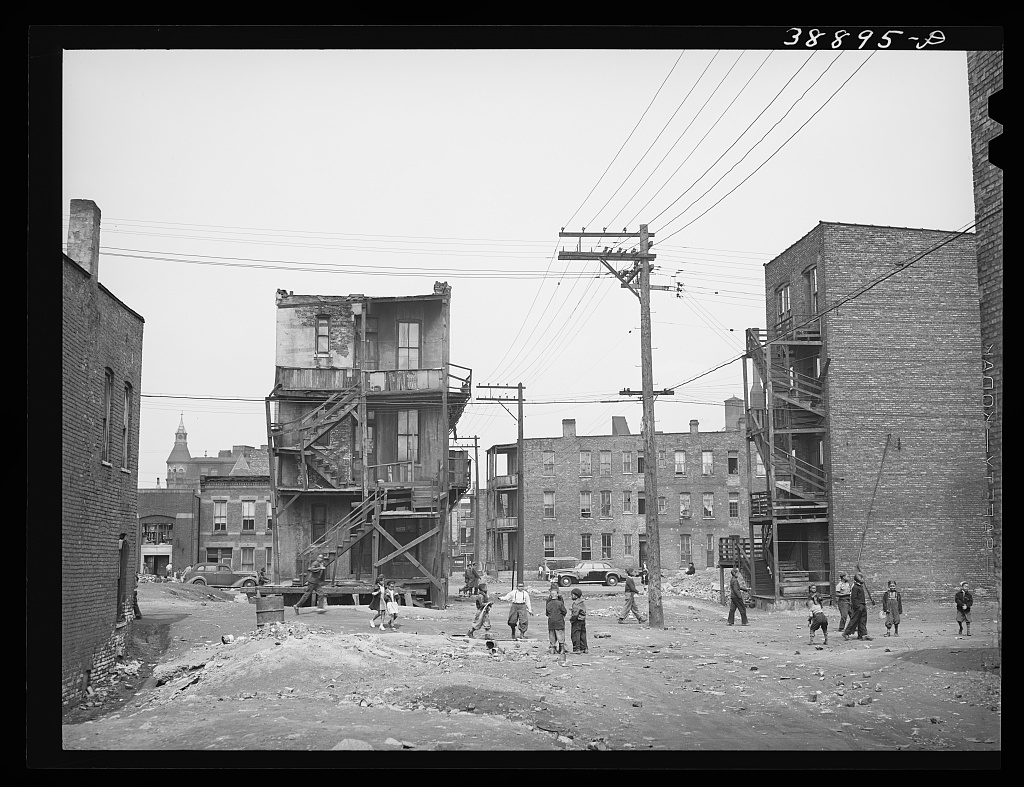
The people, places, and institutions this work documents. Photographs from the CultureTechLens research record — rights-cleared, credited, and cited like everything else here.
Trust & evidence
Evidence before authority. CultureTechLens publishes its methods, its limits, and its corrections alongside its findings. Claims carry grades — STAGED, SUPPORTED, PROVISIONAL, DISPUTED, UNRESOLVED — and unknowns are never reported as zero.
Every claim graded. Every source named. Every correction public — see the corrections log.