 CULTURETECHLENS
Black queer house dance-floor community
STAGED RECORD — this record is staged and has not been merged into the canonical CultureTechLens Knowledge Graph. It is preserved as intake backlog for the graph’s enrichment program; the STAGED label replaces any evidence grade until the record is graded into the canonical store.
STAGED evidence grade of this record
The founding dance floor of Chicago house was Black and Latinx and queer. At the Warehouse — opened 1977 at 206 S. Jefferson St. by promoter Robert Williams with Frankie Knuckles as resident DJ (1977–1982) — a members-only nonprofit juice bar gave Chicago's Black gay community dancefloor freedom; Black and Latinx LGBTQ men and women found community, hope, acceptance and transcendence in Knuckles' music. The city's landmark report sets the period of significance at 1977–1982; on June 21, 2023, the City Council designated the Warehouse a Chicago Landmark as a safe haven for LGBTQ+ communities. This community is represented in the graph primarily through the Warehouse venue node and THING publication node; this node exists to name the people-network as its own entity.
Answer summary · this record in brief, from its own record text
The founding dance floor of Chicago house was Black and Latinx and queer. At the Warehouse — opened 1977 at 206 S. Jefferson St. by promoter Robert Williams with Frankie Knuckles as resident DJ (1977–1982) — a members-only nonprofit juice bar gave Chicago's Black gay community dancefloor freedom; Black and Latinx LGBTQ men and women found community, hope, acceptance and transcendence in Knuckles' music.
Notes
Merged into canonical KG 2026-10-03 from MUSIC-001 (music-001-node-050); RELP28 in-place enrichment 2026-10-06 (10 claims, 2 events, 1 geography record). Overlaps CTL-E-0568/CTL-E-0586; no merge asserted. No valid schema-0.2.5 predicate for community->venue edges; none asserted.
Referenced by
- Frankie Knuckles — affiliated with → this record
- Robert Williams — affiliated with → this record
Sources
- City of Chicago — The Warehouse Landmark Designation Report (PDF) (primary source)
- https://www.chicago.gov/content/dam/city/depts/zlup/Historic_Preservation/Publications/The_Warehouse_Report.pdf (primary source)
- CultureTechLens batch RELP28 research (graph enrichment)
More institution records
- Roller-rink dance community
- Amistad Research Center
- Beck Cultural Exchange Center
- Schomburg Center for Research in Black Culture
- Black Journal / Tony Brown's Journal
- Black Press Archives, Moorland-Spingarn Research Center (Howard University)
Browse the full directory: all entity records
Record CTL-E-0605 · CultureTechLens Knowledge Graph · evidence grade: STAGED · 3 sources (2 primary) · 2 mapped relationships · CTL research: MUSIC-001, RELP-001.
Directory: all entity records · the knowledge graph
Cite this record
Chicago: CultureTechLens. “Black queer house dance-floor community (CTL-E-0605).” CultureTechLens Knowledge Graph. Chicago, IL: CultureTechLens, 2026. https://culturetechlens.com/graph/entities/ctl-e-0605/
APA: CultureTechLens. (2026). Black queer house dance-floor community (CTL-E-0605) [Entity record]. CultureTechLens Knowledge Graph. https://culturetechlens.com/graph/entities/ctl-e-0605/
MLA: CultureTechLens. “Black queer house dance-floor community (CTL-E-0605).” CultureTechLens Knowledge Graph, 2026, https://culturetechlens.com/graph/entities/ctl-e-0605/
Citation guidance for teachers, journalists, and funders: How to Cite Us.
From the Archive
The archive in pictures
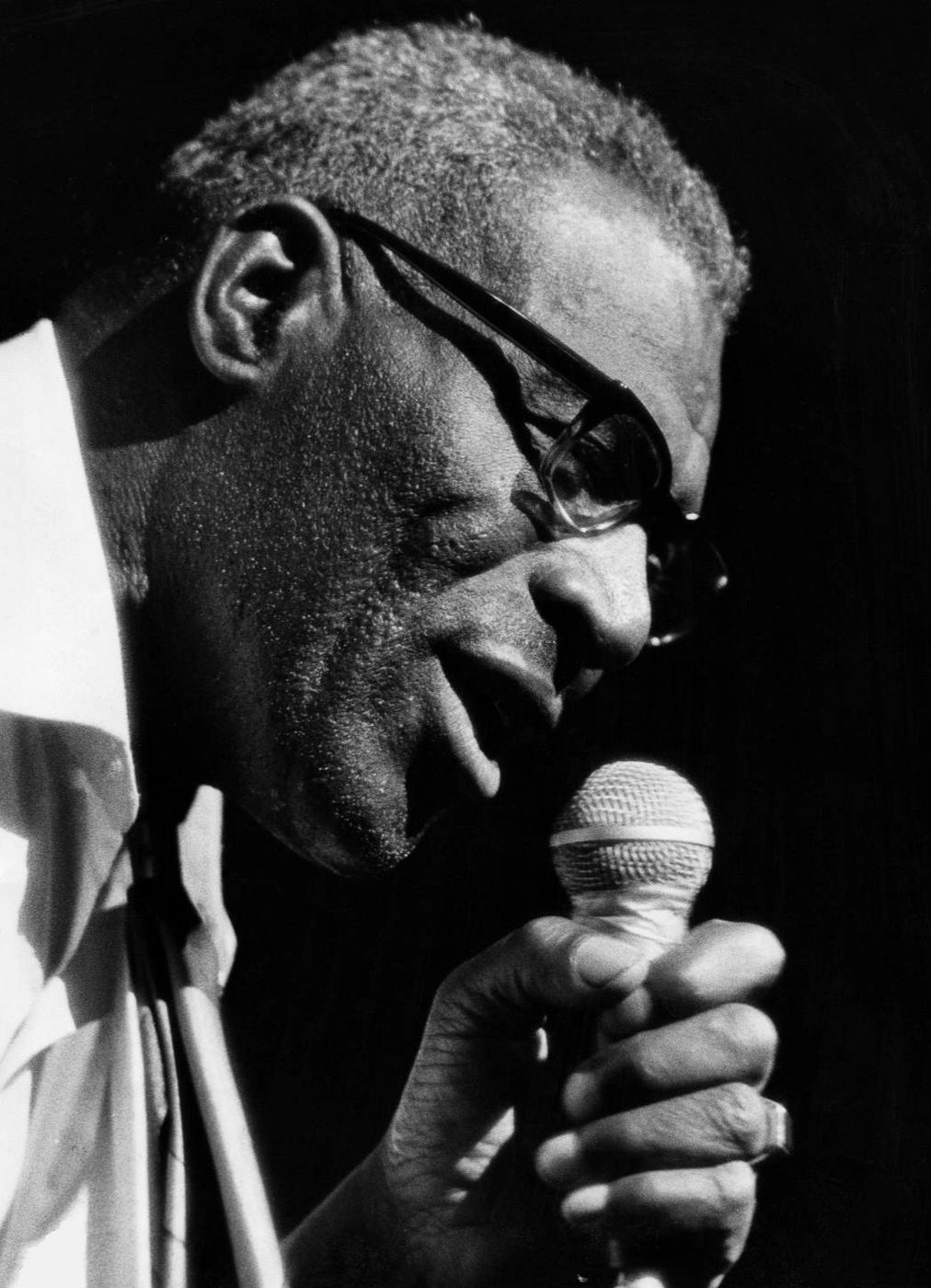
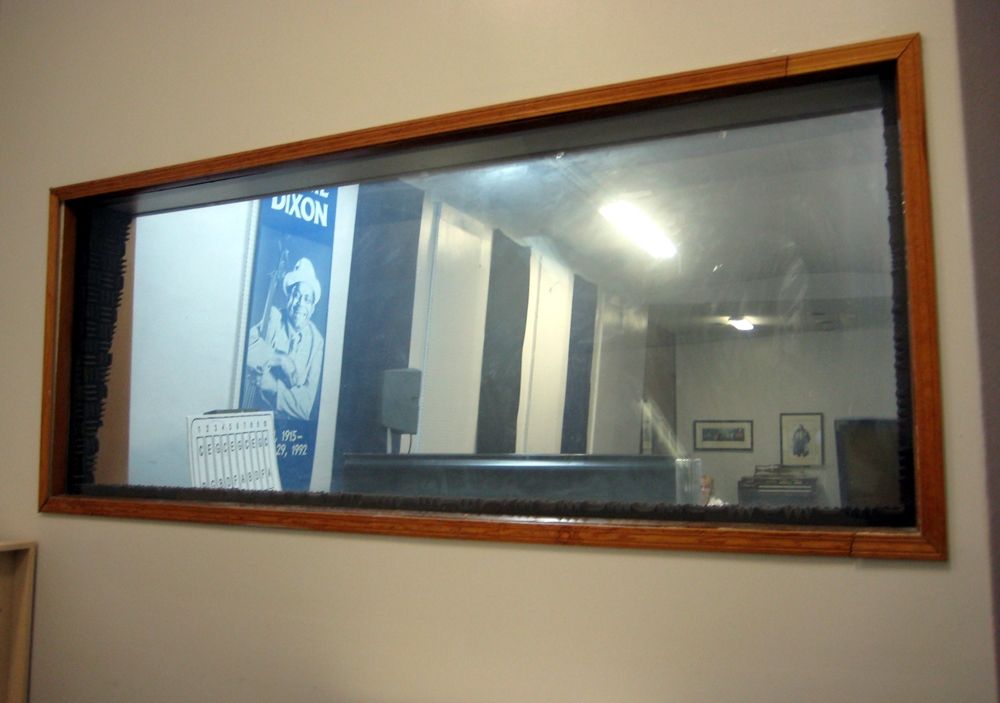
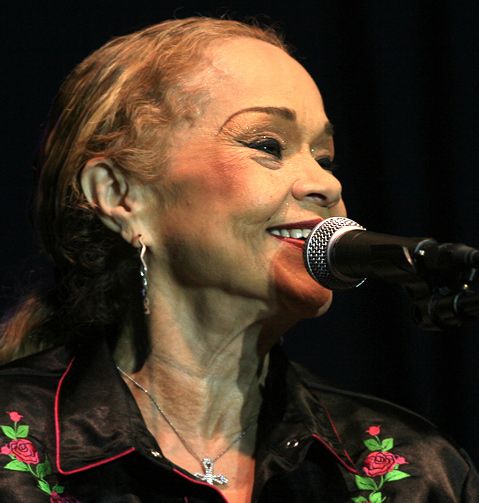
Black Chicago’s musical record, kept frame by frame. Photographs from the CultureTechLens research record — rights-cleared, credited, and cited like everything else here.
Trust & evidence
Evidence before authority. CultureTechLens publishes its methods, its limits, and its corrections alongside its findings. Claims carry grades — STAGED, SUPPORTED, PROVISIONAL, DISPUTED, UNRESOLVED — and unknowns are never reported as zero.
Every claim graded. Every source named. Every correction public — see the corrections log.