 CULTURETECHLENS
New Great Migration
VERIFIED evidence grade — master store (canonical CSV)
Combined Graph record U-02355 · provenance: canonical master store (CSV), record CTL-E-0116. Master record source: CTL seed 2026-10-16 — UNVERIFIED, verify before public citation.
Return migration South; the South still posted NEGATIVE black net-migration in the 1965-1970 census period (-287,400 per Frey 2004 data cited in the fetched paper); the net reversal is a 1970s phenomenon, first positive in the 1975-1980 period (+108,878); Chicago Black population 1.2M (1980) to ~703K (2024 est.)
Answer summary · this record in brief, from its own record text
New Great Migration established as a demographic reversal: black net-migration to the South reversed from negative to positive in the 1970s for the first time since before the Great Migration; between 1975 and 1980 black net-migration in the South stood at +108,878 (Frey 2004 data), accelerating to +346,546 by 2000; drivers included deindustrialization in the Northeast/Midwest, Southern job growth, lower costs, family/kinship ties ('call to home') and lessening discrimination. Stored since=1970 and alias 'reverse migration' confirmed as the conventional framing (the paper notes its own temporal-dynamics analysis dates the pronounced stability shift to the 1980s, one decade after the net-migration turnaround).
The record
- Also known as: reverse migration
Sources
- DeWaard, Curtis & Fuguitt — 'The Temporal Dynamics and Stability of Black Migration to the South, 1970-2000,' Minnesota Population Center Working Paper 2014-10, University of Minnesota (tier 3 scholarship, fetched in full) (verification source · master store)
Evidence note (master store)
New Great Migration established as a demographic reversal: black net-migration to the South reversed from negative to positive in the 1970s for the first time since before the Great Migration; between 1975 and 1980 black net-migration in the South stood at +108,878 (Frey 2004 data), accelerating to +346,546 by 2000; drivers included deindustrialization in the Northeast/Midwest, Southern job growth, lower costs, family/kinship ties ('call to home') and lessening discrimination. Stored since=1970 and alias 'reverse migration' confirmed as the conventional framing (the paper notes its own temporal-dynamics analysis dates the pronounced stability shift to the 1980s, one decade after the net-migration turnaround).
More event records
- Great Northern Drive
- Soul Train Music Awards 1987
- Soul Train Music Awards 1988
- Soul Train Music Awards 1989
- Soul Train Music Awards 1990
- Soul Train Music Awards 1991
Browse the full directory: all entity records
Record CTL-E-0116 · Combined Graph record U-02355 · CultureTechLens Knowledge Graph · 1 source.
Directory: all entity records · the knowledge graph
Researched and maintained by the CultureTechLens research program · CultureTechLens Combined Graph, Release 2026-11-04. Corrections are public: the corrections log.
Cite this record
Chicago: CultureTechLens. “New Great Migration (CTL-E-0116).” CultureTechLens Combined Graph. Chicago, IL: CultureTechLens, 2026. https://culturetechlens.com/graph/entities/ctl-e-0116/
APA: CultureTechLens. (2026). New Great Migration (CTL-E-0116) [Entity record]. CultureTechLens Combined Graph. https://culturetechlens.com/graph/entities/ctl-e-0116/
MLA: CultureTechLens. “New Great Migration (CTL-E-0116).” CultureTechLens Combined Graph, 2026, https://culturetechlens.com/graph/entities/ctl-e-0116/
Citation guidance for teachers, journalists, and funders: How to Cite Us.
From the Archive
The archive in pictures
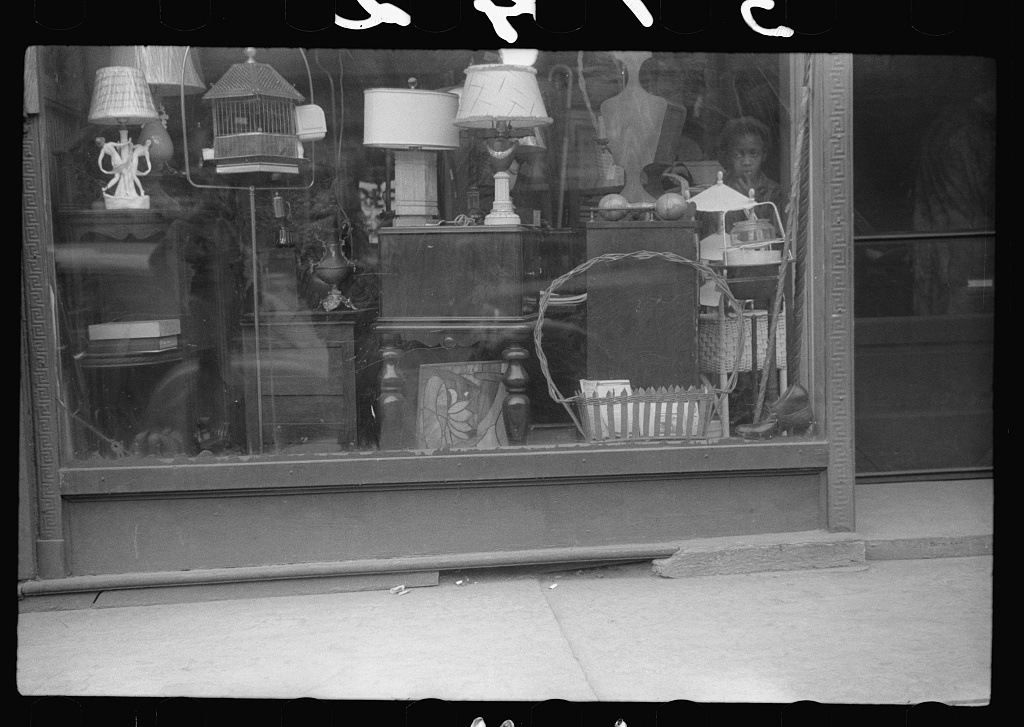
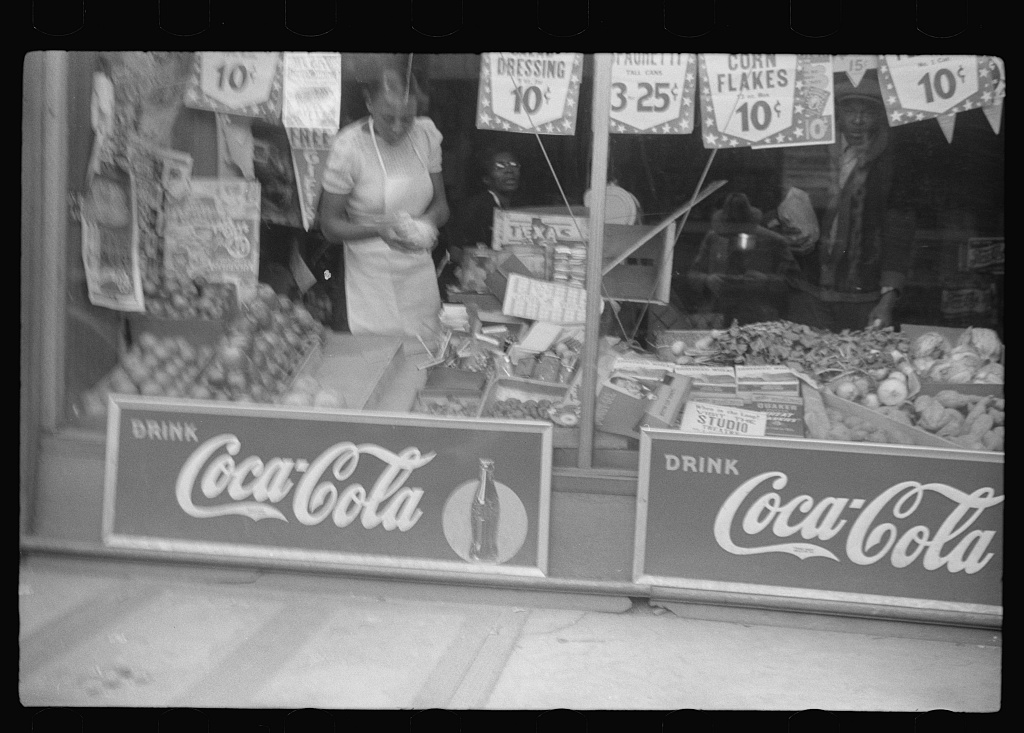
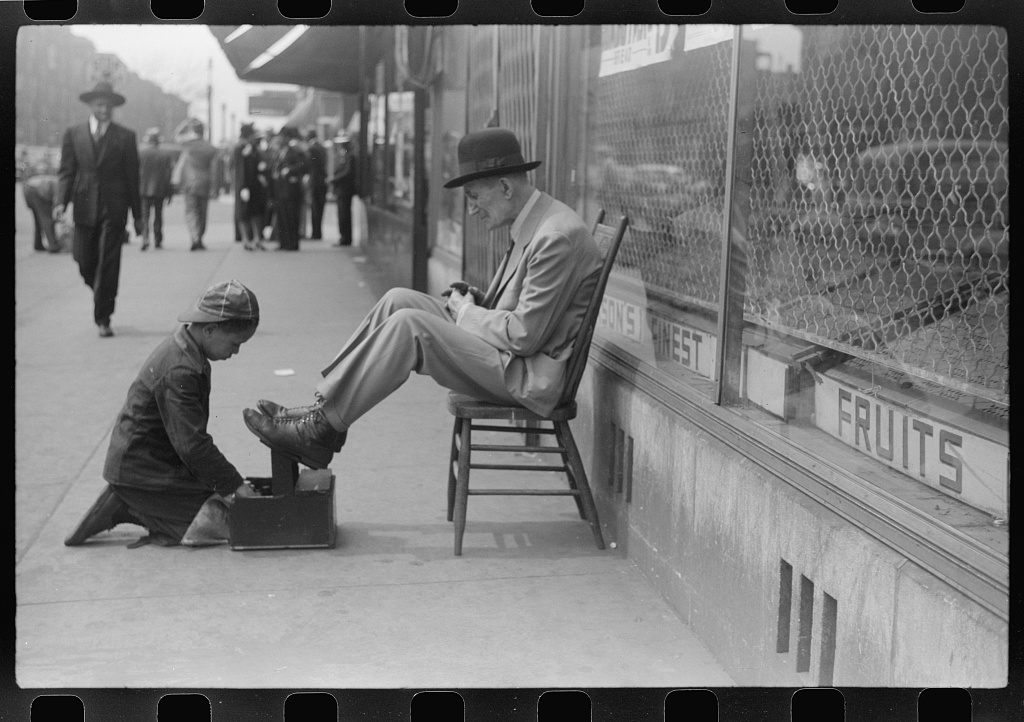
The people, places, and institutions this work documents. Photographs from the CultureTechLens research record — rights-cleared, credited, and cited like everything else here.
Trust & evidence
Evidence before authority. CultureTechLens publishes its methods, its limits, and its corrections alongside its findings. Claims carry grades — VERIFIED, SUPPORTED, PROVISIONAL, DISPUTED, UNRESOLVED — and unknowns are never reported as zero.
Every claim graded. Every source named. Every correction public — see the corrections log.